

The phrase “dense breast tissue” can be confusing. Is it normal? Is it something to worry about? About half of women over 40 have dense breasts. Many people wonder what that means for their health and their next mammogram.
Tag Archives: Women’s Health
Three Days After Brain Surgery, Forest Greece Was Cheering at the Knicks Parade

A lifelong athlete and sports fan, Forest had just earned his master’s degree in organizational leadership and started his dream job with the New York Yankees. He grew up in Croton-on-Hudson and had always been active. He played football and basketball, then went on to compete as a Division III football player at Widener University.
Finding a Doctor Who Finally Listened: One Patient’s Endometriosis Story

For years, Amoya Stewart tried to explain her pain to doctors who wouldn’t listen. Her periods were unbearable. Her body was changing in ways she couldn’t explain. Test after test came back inconclusive, and doctor after doctor sent her home with no real answers.
Postpartum Depression Is More Than the “Baby Blues”

The Liquid Gold Preemie Donor Milk Bank at Maria Fareri Children’s Hospital helps fill that need. It provides donated human milk to premature and medically fragile newborns until their mothers’ own milk is available.
Recognizing Anxiety and Depression in School-Age Kids

Preeclampsia is a health problem that can happen during pregnancy, usually after 20 weeks.
Finding Peace in the Right Place: Raquel’s Breast Cancer Journey at Good Samaritan Hospital

When Raquel Ortiz discovered a lump during a routine gynecology appointment in March 2025, she was stunned.
The Hidden Health Risks of Preeclampsia

Preeclampsia is a health problem that can happen during pregnancy, usually after 20 weeks.
Liquid Gold: How WMCHealth’s Donor Milk Bank Helps Fragile Newborns
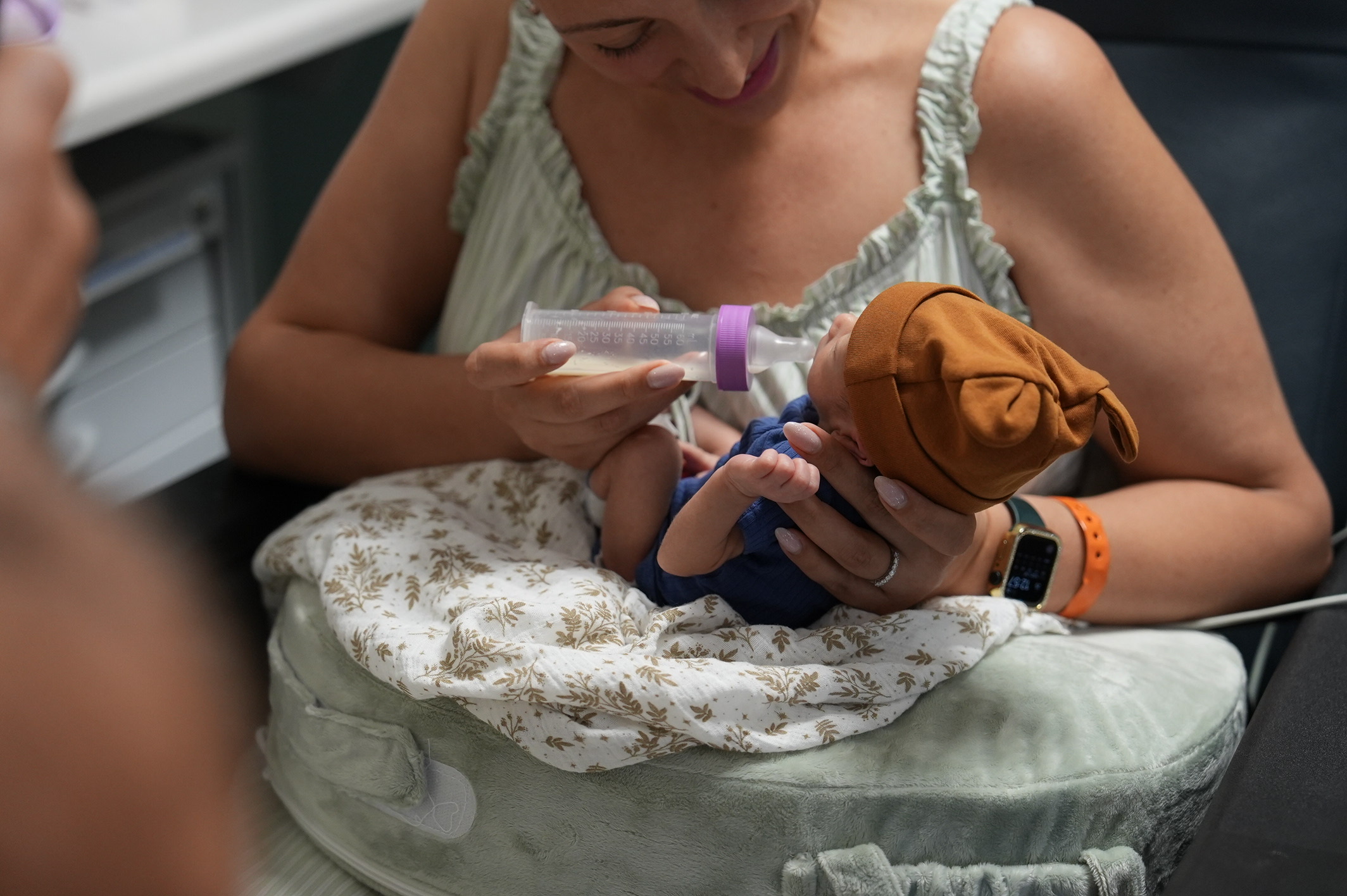
The Liquid Gold Preemie Donor Milk Bank at Maria Fareri Children’s Hospital helps fill that need. It provides donated human milk to premature and medically fragile newborns until their mothers’ own milk is available.
How to Find a Maternal-Fetal Medicine Specialist

Most pregnancies go smoothly. But some are more complex: a health condition, a concern on an ultrasound, a history of pregnancy loss, or a diagnosis that affects the baby. In those cases, a maternal-fetal medicine specialist, or an MFM, may become part of your care team.
Is It Time for Your Teen To See a Gynecologist?

Many parents think a first visit to the gynecologist (GYN) can wait until their child is older. But doctors say it helps to start earlier. Seeing a provider during the teen years can support your child’s health, answer questions and build confidence.