

If you’re at risk for a dangerous heart rhythm, your doctor may recommend an implantable cardioverter defibrillator (ICD). These devices can help treat sudden cardiac arrest by monitoring your heart and providing treatment when needed.
Tag Archives: Cardiovascular Care
Cold Weather, Warm Hearts: Protecting Your Heart in Winter

That first blast of winter air might feel invigorating, but your cardiovascular system is working harder than you realize. Within seconds of stepping into freezing temperatures, your blood vessels constrict to preserve body heat, raising your blood pressure and increasing the workload on your heart.
Small Changes That Make a Big Impact on Your Blood Pressure
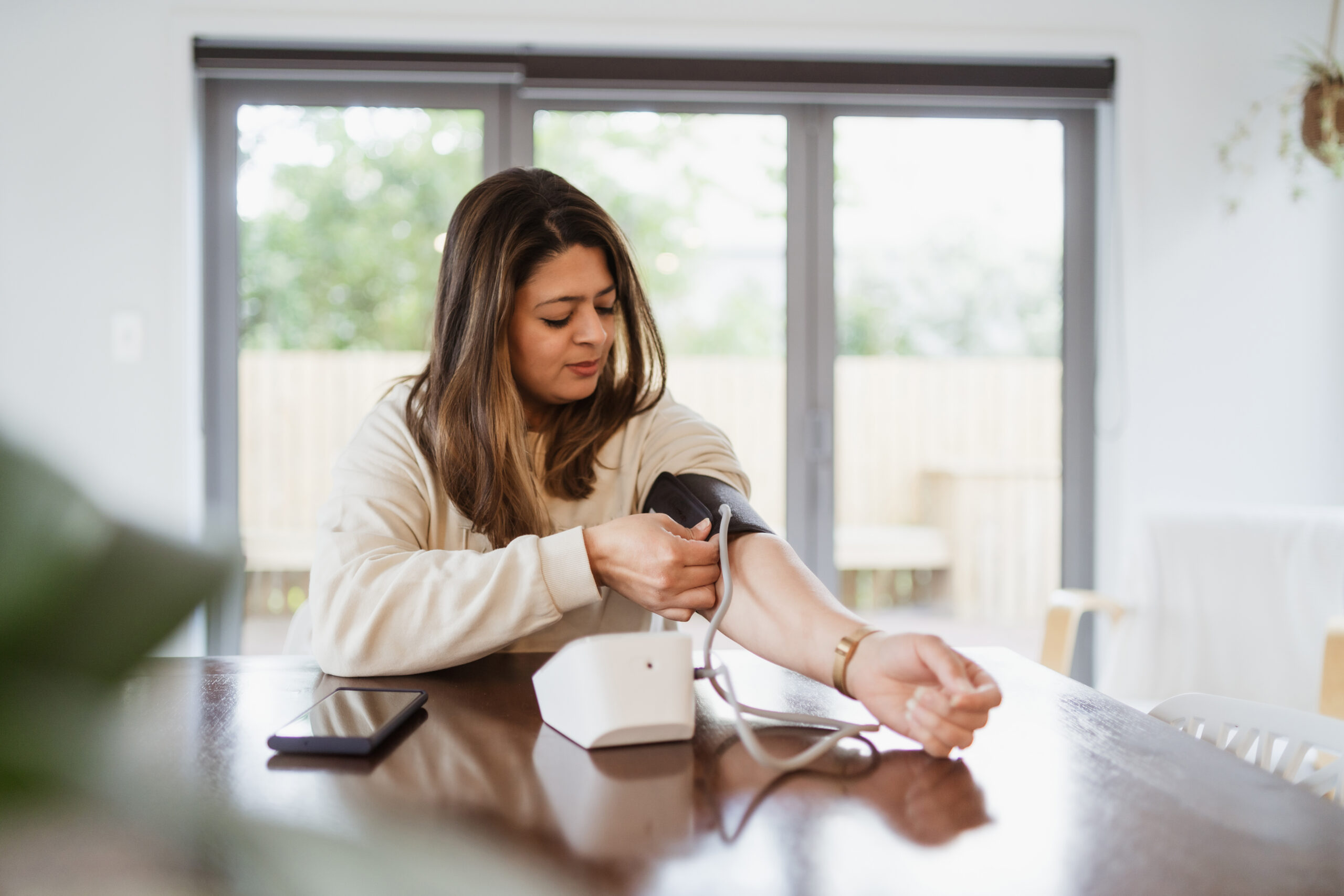
High blood pressure, or hypertension, often develops without warning signs, but its effects on the heart, brain and kidneys can be serious over time. The good news is that even small, consistent lifestyle changes can lead to meaningful improvements.
Your Heart in Your 40s, 50s and Beyond: What Changes and What to Watch

Your 40s, 50s, and beyond are pivotal times to understand how your heart is changing. Stay current with screenings and take advantage of expert care to help prevent future problems.
Understanding Heart Disease in Women

Symptoms of heart disease look different in women than men, often resulting in overlooked risk factors and missed diagnoses. Understanding how heart disease affects women specifically, and knowing when and where to seek care, can be lifesaving.
Listen to Your Heart: The Hidden Risks of Women’s Fall Routines

Fall routines can mask heart symptoms in women, like fatigue, shortness of breath or chest discomfort. Don’t ignore early signs. Prioritize check-ups and self-care. WMCHealth offers support and heart health guidance.
Timing is Everything: Study Links Later Menopause to Better Heart Health

A study in Circulation Research shows women who reach menopause at 55+ may have better heart health due to lasting vascular benefits. WMCHealth experts recommend monitoring key markers, healthy lifestyle habits, and personalized care to protect heart health.
From Dad Bod to Rad Bod: Fitness After 40

As men age, staying fit requires a more balanced approach that includes strength training, cardio, flexibility, and rest to maintain muscle and overall health. WMCHealth’s primary care providers can help you create a safe, effective fitness plan tailored to your goals, schedule a visit to get started.
Women’s Heart Health: Understanding Greater Susceptibility to Lifestyle Risks

Women face unique heart health risks, especially as they age. Research shows that women in poor health have nearly five times the risk of heart disease compared to those in ideal health. At WMCHealth, specialists highlight the impact of hormonal changes during menopause, lifestyle factors like stress and inactivity, and social determinants such as income and access to care. Symptoms in women often differ from men and can be misdiagnosed, making education and prevention critical. Regular checkups, staying active, and managing blood pressure are key steps women can take to protect their heart health. Learn more or schedule an appointment at WMCHealth.
Is Your Heart Ready for That Energy Drink?

Too much caffeine, especially from energy drinks and supplements, can be dangerous for the heart—even in young, healthy individuals. Dr. Alan Gass of WMCHealth explains that high doses of caffeine combined with intense exercise may trigger abnormal heart rhythms and increase the risk of sudden cardiac events. Some energy drinks contain over 200 milligrams of caffeine per can, and when combined with coffee or other sources, the total intake can rise quickly. To stay safe, it’s important to understand your baseline heart rate and blood pressure, ease into new workout routines, avoid energy drinks before exercising, and maintain a balanced approach to fitness that includes cardio, core, and flexibility. For those concerned about heart health, WMCHealth offers same-day cardiology appointments by calling 914.909.6917.