
Medically reviewed by Warren Sherman, MD
High blood pressure, or hypertension, often develops without warning signs, but its effects on the heart, brain, and kidneys can be serious over time. The good news is that even small, consistent lifestyle changes can lead to meaningful improvements. When paired with regular monitoring and expert care, those changes can help keep blood pressure under control for the long term.
Practical Lifestyle Steps That Add Up
Lowering blood pressure doesn’t require an all-or-nothing approach. In fact, some of the most effective strategies are also the most manageable.
- Move your body regularly. Activities like brisk walking, swimming or cycling help strengthen the heart so it can pump blood more efficiently. Even 20–30 minutes per day can make a difference.
- Rethink sodium. Reducing salt intake, especially from processed and packaged foods, can significantly lower blood pressure. Cooking more meals at home and reading nutrition labels are simple first steps.
- Eat with your heart in mind. Diets rich in fruits, vegetables, whole grains, lean proteins and healthy fats support healthy blood vessels and circulation.
- Manage stress intentionally. Chronic stress can raise blood pressure. Techniques such as deep breathing, stretching, mindfulness or taking short breaks during the day can help.
- Limit alcohol and avoid tobacco. Both can raise blood pressure and increase cardiovascular risk, even in otherwise healthy individuals.
These changes don’t have to happen all at once. Gradual adjustments are often more sustainable and more effective over time.
Why Monitoring at Home Matters
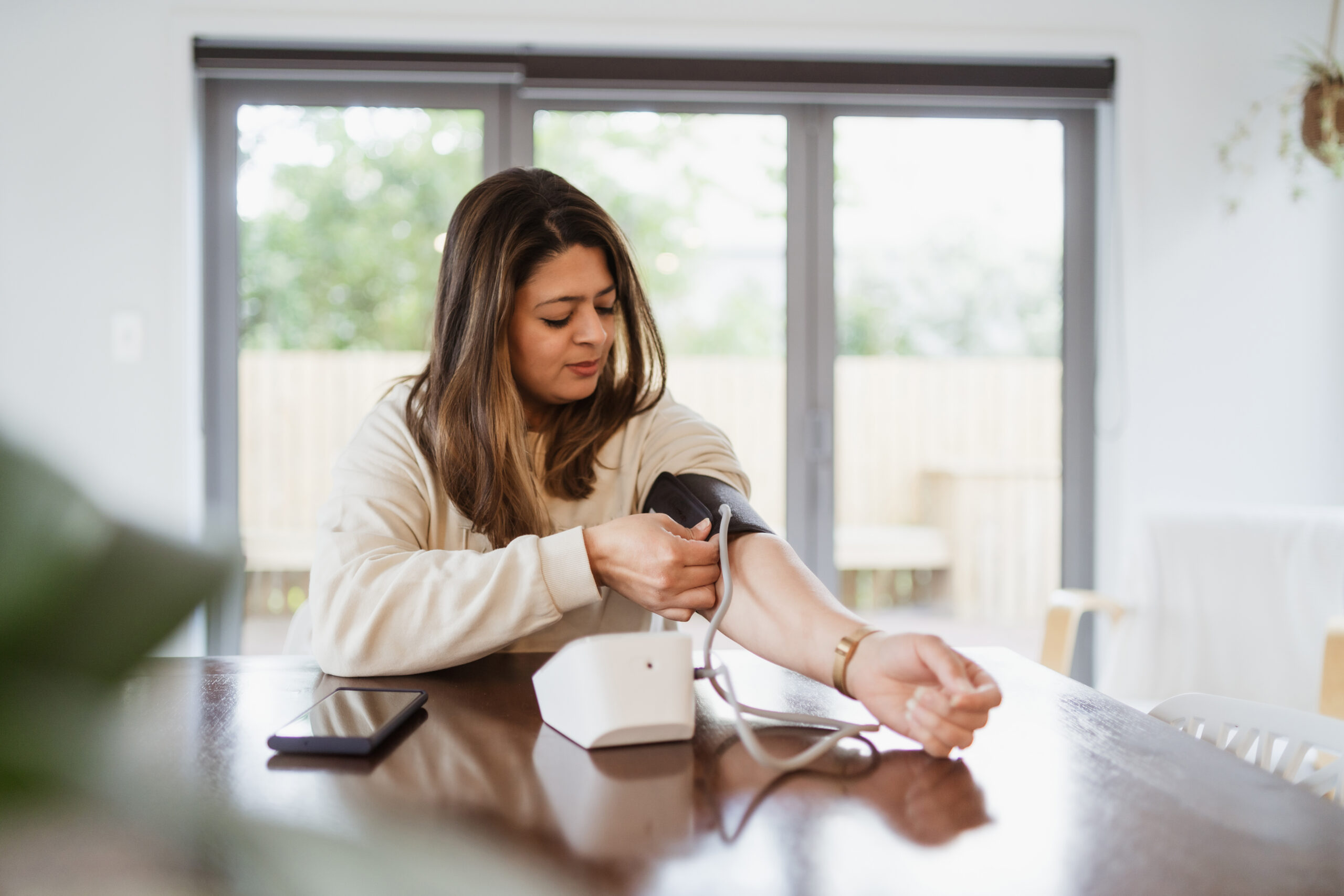
Because blood pressure can fluctuate throughout the day, readings taken only during office visits don’t always tell the full story. Home monitoring provides a clearer picture and helps both patients and providers track progress.
Using a validated home blood pressure cuff allows you to:
- Identify patterns and trends over time
- See how lifestyle changes or medications are working
- Reduce the “white coat” effect that can spark anxiety and raise blood pressure readings in clinical settings
- Share accurate information with your care team
Your primary care provider can help you choose the right device and show you how to take readings correctly, such as sitting quietly, keeping your arm supported at heart level and measuring at the same time each day.
Small Steps, Lasting Benefits
Managing blood pressure is an ongoing process that benefits from coordinated care. Support for blood pressure control may include:
- Regular primary care visits for screening and medication management
- Personalized treatment plans based on overall cardiovascular risk
- Access to cardiology specialists for patients with complex or resistant hypertension
- Lifestyle counseling and education, tailored to individual needs
- Care coordination across specialties, ensuring consistent follow-up and support
By making simple lifestyle adjustments, monitoring at home and partnering with your care team, you can reduce your risk of heart attack, stroke and other complications. For patients who need advanced evaluation or treatment, WMCHealth offers comprehensive cardiovascular services within an integrated health system, making it easier to stay connected to care. Learn more or make an appointment today.