
Medically reviewed by Nicholas Belasco, DO
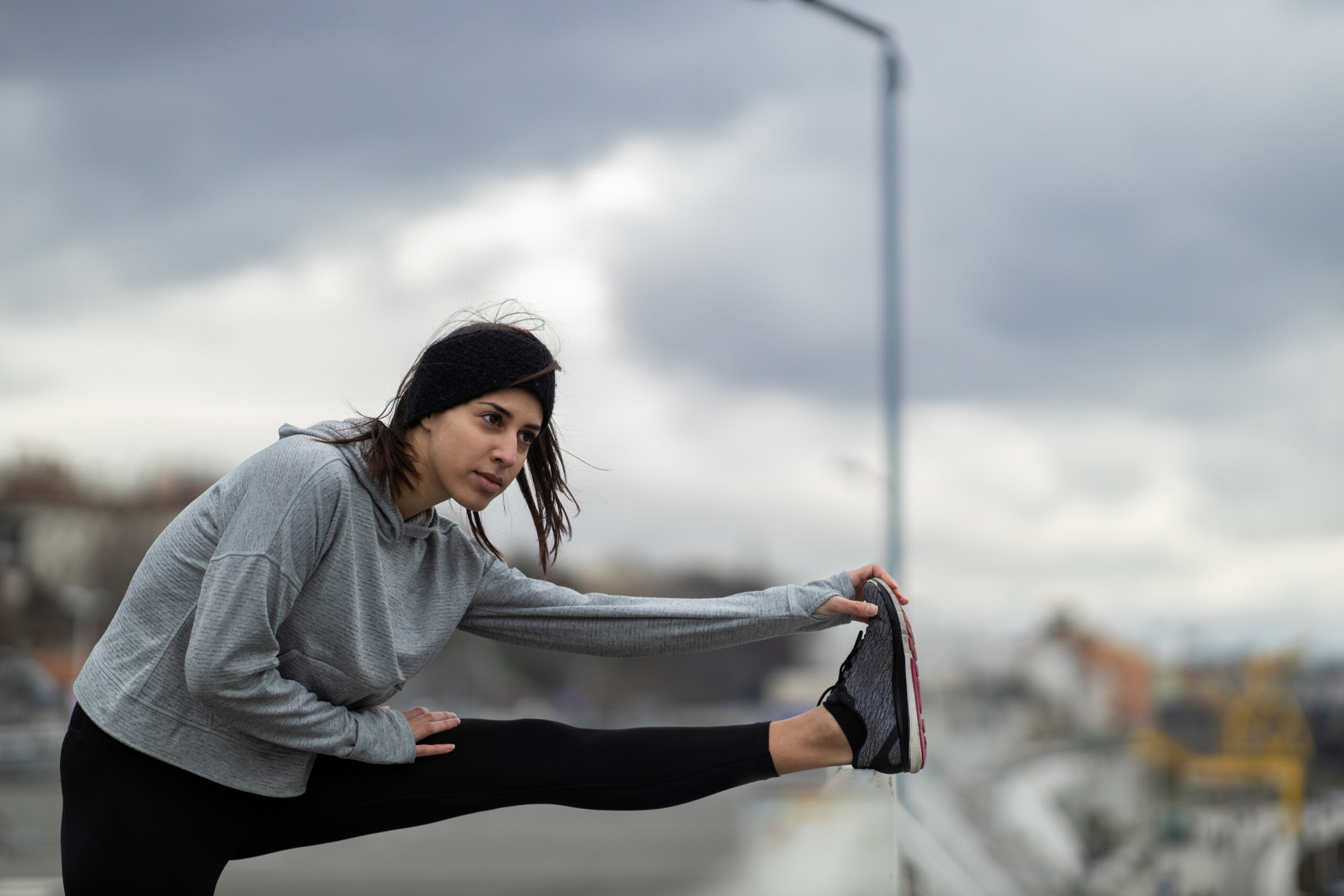
Once it gets dark by five and the sidewalks turn to ice, the gym bag tends to sit by the door for a week, then a month. It happens to almost everyone. Rather than trying to manufacture more willpower, change what “active” looks like for a few months. Here are some tips.
Wear layers instead of one big coat
A heavy winter coat feels warm standing still, but ten minutes into a walk you’re sweating inside it and stuck. Three light layers will keep you warmer, with moisture-wicking fabric against your skin, fleece or wool in the middle, and a windbreaker or shell on top. Peel a layer off if you warm up.
Your head and ears are often left exposed in cold weather, so wearing a hat can help reduce heat loss and protect against cold injury. Don’t skip gloves, either, because numb fingers make it hard to hold a leash, a phone or your car keys.
Watch your step
If the sidewalk looks slick, skip the outdoor walk. Head to a treadmill, an indoor track or even a mall instead. Traction cleats that slip over your shoes usually cost around $15 and can make a big difference on packed snow.
There is also a point when it is simply too cold to be outside. Most people can handle a short walk when temperatures are just below freezing. Once the wind chill drops below zero, though, exposed skin can develop frostbite in under an hour.
Cold air can also trigger symptoms for people with asthma or heart conditions. Ask your doctor what temperatures are safe for you.
Bring the exercise inside
Squats, lunges, push-ups and planks don’t require equipment or a gym membership. Try doing a 20-minute workout video in the living room, climbing your own stairs a few extra times a day or just turning on music while dinner’s cooking. Resistance bands or a couple of light dumbbells cost under $50 if you want a bit more structure.
Shoveling, hauling firewood and raking up the last leaves before the ground freezes all count as exercise, too. Take a few minutes to warm up first, since cold temperatures can temporarily reduce muscle flexibility and performance. Shoveling snow puts real stress on the heart, particularly for people with heart disease or cardiovascular risk factors, or those who are not accustomed to vigorous exercise.
Have a reason to work out
Darkness at 5 p.m. can drain your motivation. Give yourself something that gets you out the door anyway. Maybe it is a dog waiting for a walk or a standing coffee date with a friend. A commitment on the calendar usually works better than hoping you will feel like going later.
Don’t forget water
People drink less in winter because they don’t feel thirsty, but the body still loses fluids through sweat and through breathing in dry air. Keep a water bottle around even when it’s 20 degrees out.
A few simple adjustments can carry you through to spring. Better shoes help, along with a plan that works after dark and a broader idea of what counts as a workout.
If you’re not sure what’s safe for your specific health history this winter, book an appointment with a WMCHealth provider.