
Reviewed by Ashley Hayden, MS, RDN, CNSC
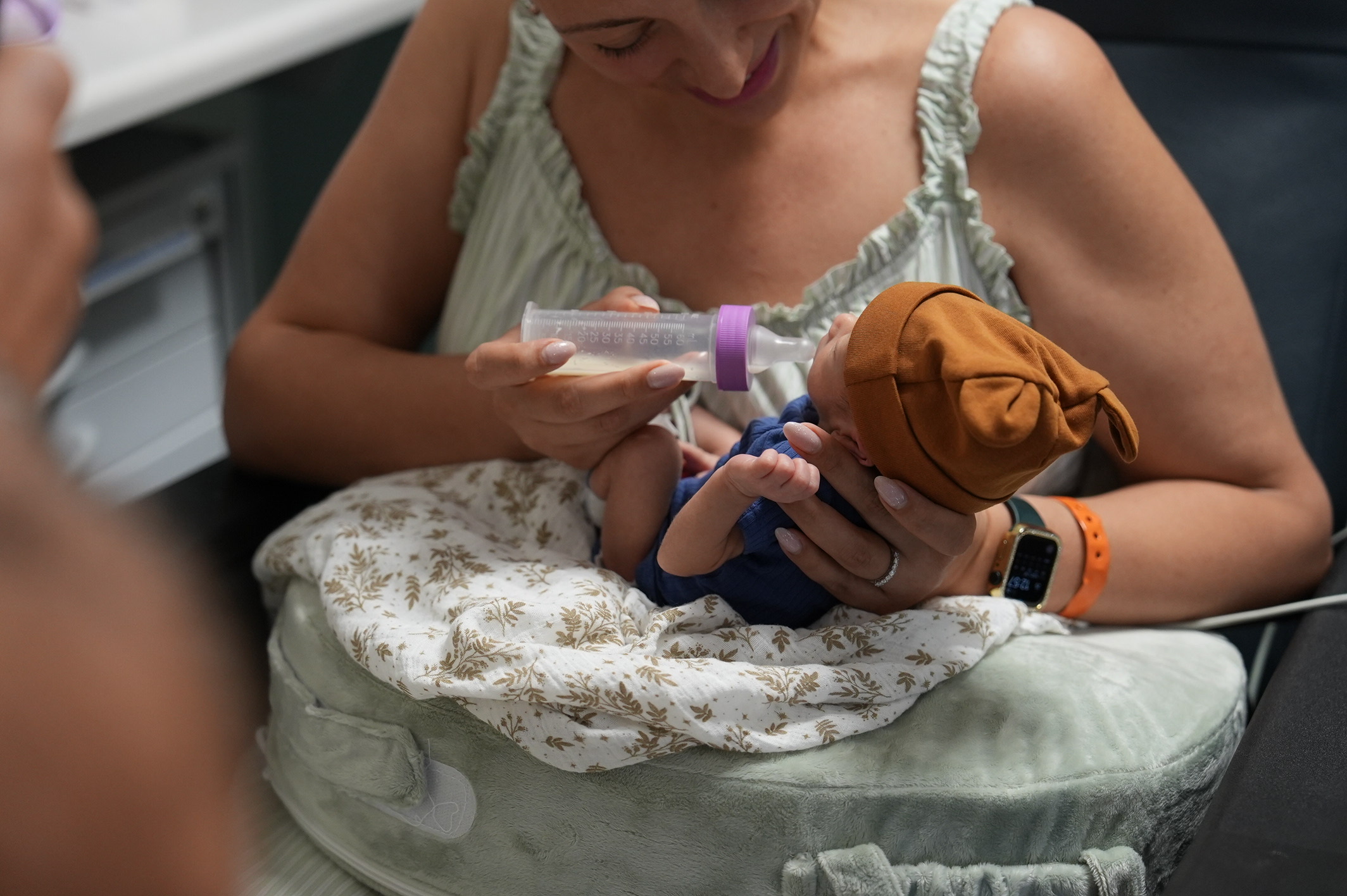
For many parents, feeding their newborn is one of the first ways they care for their baby. In the NICU, however, that first step isn’t always possible.
The Liquid Gold Preemie Donor Milk Bank at Maria Fareri Children’s Hospital helps fill that need. It provides donated human milk to premature and medically fragile newborns until their mothers’ own milk is available. The milk comes from mothers who have more milk than their babies need. Their donations help give some of the hospital’s smallest patients the nutrition they need to grow.
A Gift That Helps the Tiniest Patients Thrive
Babies who are born too early often need to start feeding before their mothers can make enough milk. In those early days, donor milk can help until mom’s milk supply increases.
“Mother’s own milk is always our first choice,” says Ashley Hayden, MS, RDN, CNSC, Donor Milk Bank Manager. “When that is not available right away, donor milk is the closest option. It gives babies many of the same nutrition and health benefits.”
For very premature babies, donor milk can do more than provide food. A diet made only of human milk can help lower the risk of necrotizing enterocolitis, or NEC. NEC is a serious illness that affects the intestines and mostly occurs in premature babies. For this reason, WMCHealth doctors often recommend donor milk before formula when a mother’s milk supply is not ready yet.
Families do not need to know about donor milk before they come to the hospital. If donor milk is the best choice for their baby, the care team will explain the program, answer questions and ask for consent before giving donor milk.
Safety Comes First
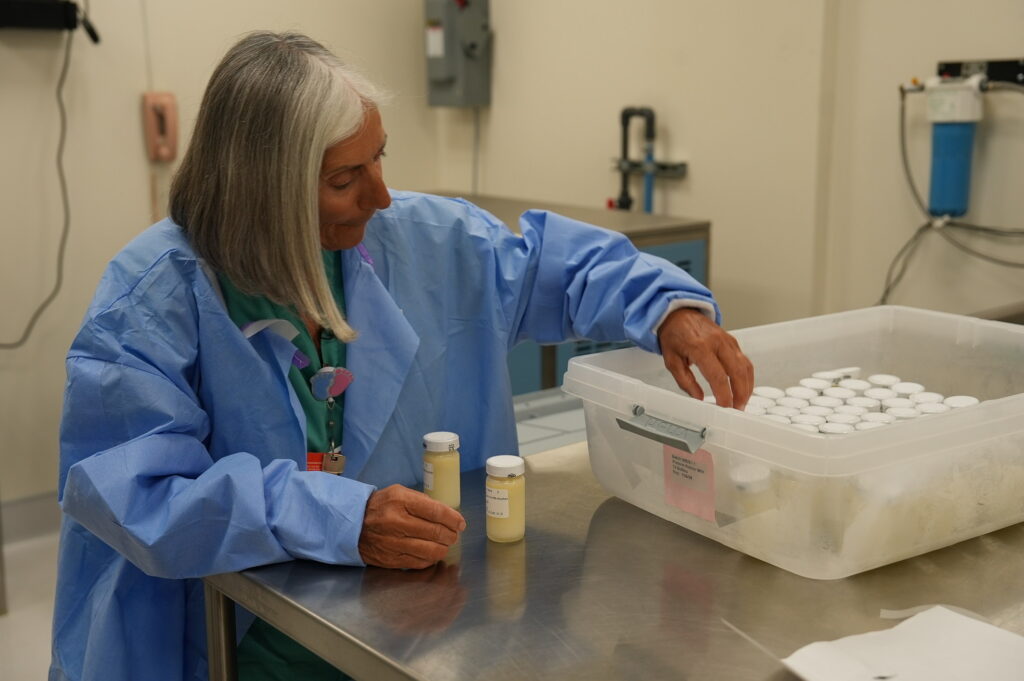
Every ounce of donor milk goes through a careful safety process before it reaches a baby.
Mothers who want to donate must answer health questions. They also need approval from their doctor and their baby’s doctor. Donors have blood tests and are checked for medicines, infections and lifestyle factors that could affect the milk. After milk is donated, each batch is pasteurized, which means it is gently heated to kill harmful germs. Then it is tested before it can be used.
“Our patients are some of the most vulnerable babies, so safety drives everything we do,” says Artie Hariprasad, Senior Milk Technician at WMCHealth. “Every donor is carefully screened, and every batch of milk is pasteurized and tested before it is ever given to a baby.”
A Unique Resource for NICU Families
Unlike many donor milk programs, WMCHealth’s milk bank is inside the hospital. This helps the team work closely with mothers whose babies are in the NICU. Some of these mothers choose to donate milk after they have built up a strong supply.
Milk made after a premature birth often has more protein, fat and calories. That can make these donations especially helpful for other premature babies who need extra support to grow.
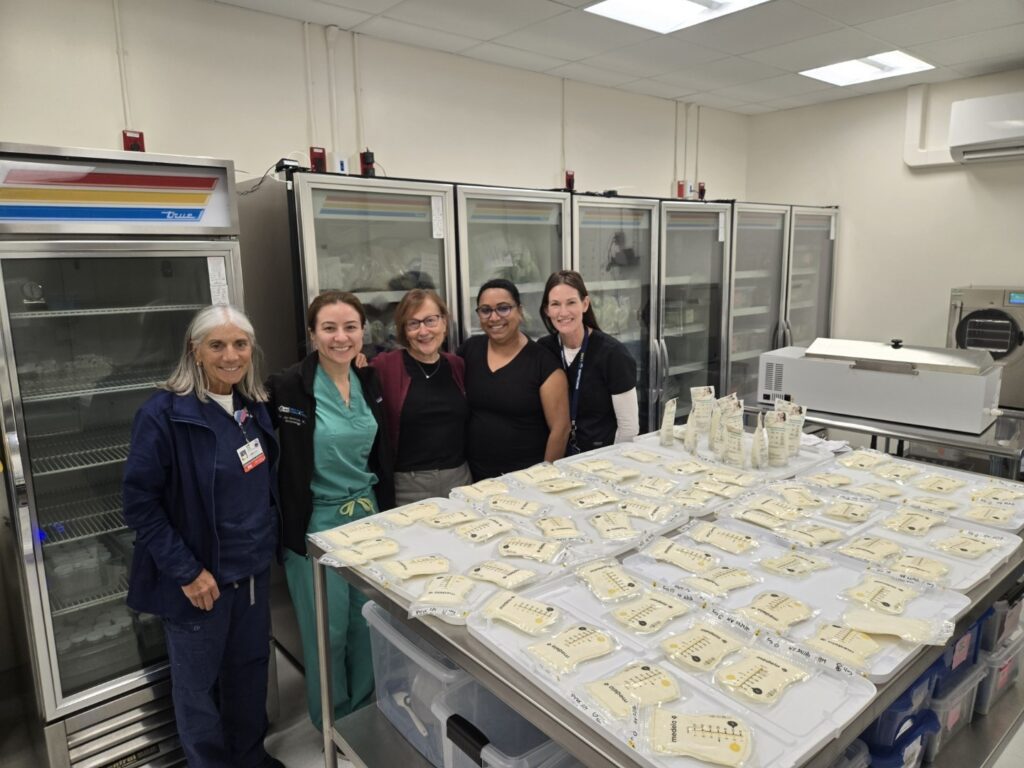
“Our connection with the NICU is what makes this program so unique,” says Tina Roeder, RN, CNS, IBCLC, Milk Bank Manager at WMCHealth. “We can provide preterm donor milk that meets the special nutrition needs of our tiniest patients. We can also support families right here in our own hospital.”
The milk bank also offers a kosher donor milk option that is certified by a rabbi. This helps more families use donor milk in a way that supports their religious beliefs.
One Donation Can Help Another Family
Behind every bottle of donor milk is a mother who chose to help another family during a very difficult time.
For mothers with extra breast milk to share, becoming a donor is a simple way to make a lasting difference for WMCHealth’s smallest patients. Learn more about who can donate and how to get involved by visiting the Liquid Gold Preemie Donor Milk Bank online. Please call 914.493.5135 for more information.