
Medically reviewed by Ruxandra lorgu, MD
Each fall, pumpkin shows up everywhere. It’s in coffee, baked goods, cereal and even protein powder. With so many pumpkin products on shelves, it’s easy to wonder: Is pumpkin actually good for you, or is it just a flavor trend wrapped around a lot of sugar?
The answer is both. Real pumpkin is a nutritious food with real health benefits. But many of the pumpkin treats and drinks we crave this time of year have very little actual pumpkin in them, and a lot of added sugar. Here’s how to tell the difference and enjoy pumpkin in ways that are actually good for you.
Watch out for pumpkin’s sugary side
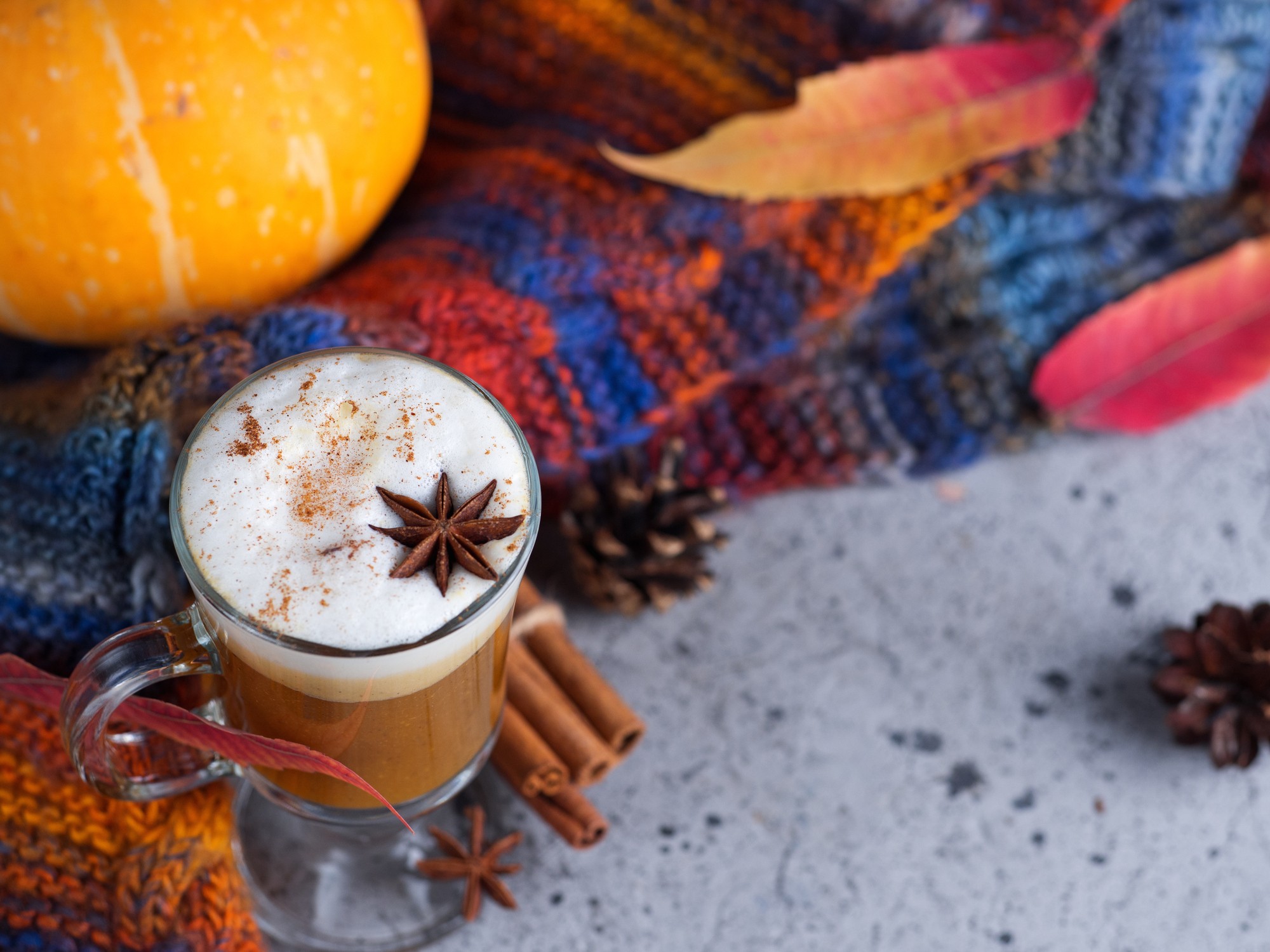
Pumpkin-flavored lattes, muffins, cookies and other processed foods smell and taste like the season, but most of that flavor comes from pumpkin pie spice, not pumpkin itself. Many of these products are also high in added sugar, refined carbohydrates and fat. A pumpkin spice latte or a slice of pumpkin cake can be surprisingly high in calories and sugar, even though the name makes it sound wholesome.
That doesn’t mean you need to give up your favorite fall treats altogether. It just helps to know when you’re getting real pumpkin and its nutrients, and when you’re mostly getting sugar with a pumpkin-inspired flavor.
What real pumpkin has to offer
Plain, unsweetened pumpkin, whether fresh or canned, is a low-calorie food packed with nutrients. According to the U.S. Department of Agriculture, one cup of cubed pumpkin has about 30 calories and is rich in:
- Fiber, which supports digestion and helps you feel full
- Vitamin A, which supports eye health and the immune system
- Potassium, which supports healthy blood pressure
- Beta carotene and other antioxidants, which help protect the body’s cells
The high fiber content makes pumpkin a natural mild laxative option for moderate constipation. If you have poor kidney function, be careful with how much pumpkin you consume due to its high potassium content.
Pumpkin seeds are worth a mention too. They’re a good source of plant-based protein, fiber and magnesium, making them a satisfying snack on their own.
How to enjoy pumpkin without the added sugar
The good news is, you can get the real benefits and taste of pumpkin without the sugar overload. A few simple ideas:
- Stir plain canned pumpkin puree into oatmeal, yogurt or a smoothie, and add your own cinnamon, nutmeg and/or ginger instead of a pre-made sweetened mix
- Roast fresh pumpkin cubes with a little olive oil and cinnamon for a simple side dish
- Make a pumpkin soup using pumpkin puree, broth and warm spices, rather than cream and added sugar
- Roast pumpkin seeds with a spray of olive oil for a crunchy, protein-rich snack
If you do treat yourself to a pumpkin latte or baked good, look for smaller sizes or ask about lower-sugar options. At WMCHealth, we encourage a balanced approach to seasonal favorites: enjoy the flavors of fall, lean on real pumpkin when you can and save the sugary extras for an occasional treat rather than a daily habit.
To connect with a WMCHealth provider, visit our website.