
Medically reviewed by David J. Moore, MD
Halloween can be a fun night for the whole family. With more children walking outside after dark and plenty of excitement in the air, a few simple precautions can help keep the evening safe.
Before your family heads out for trick-or-treating, keep these Halloween safety tips in mind.
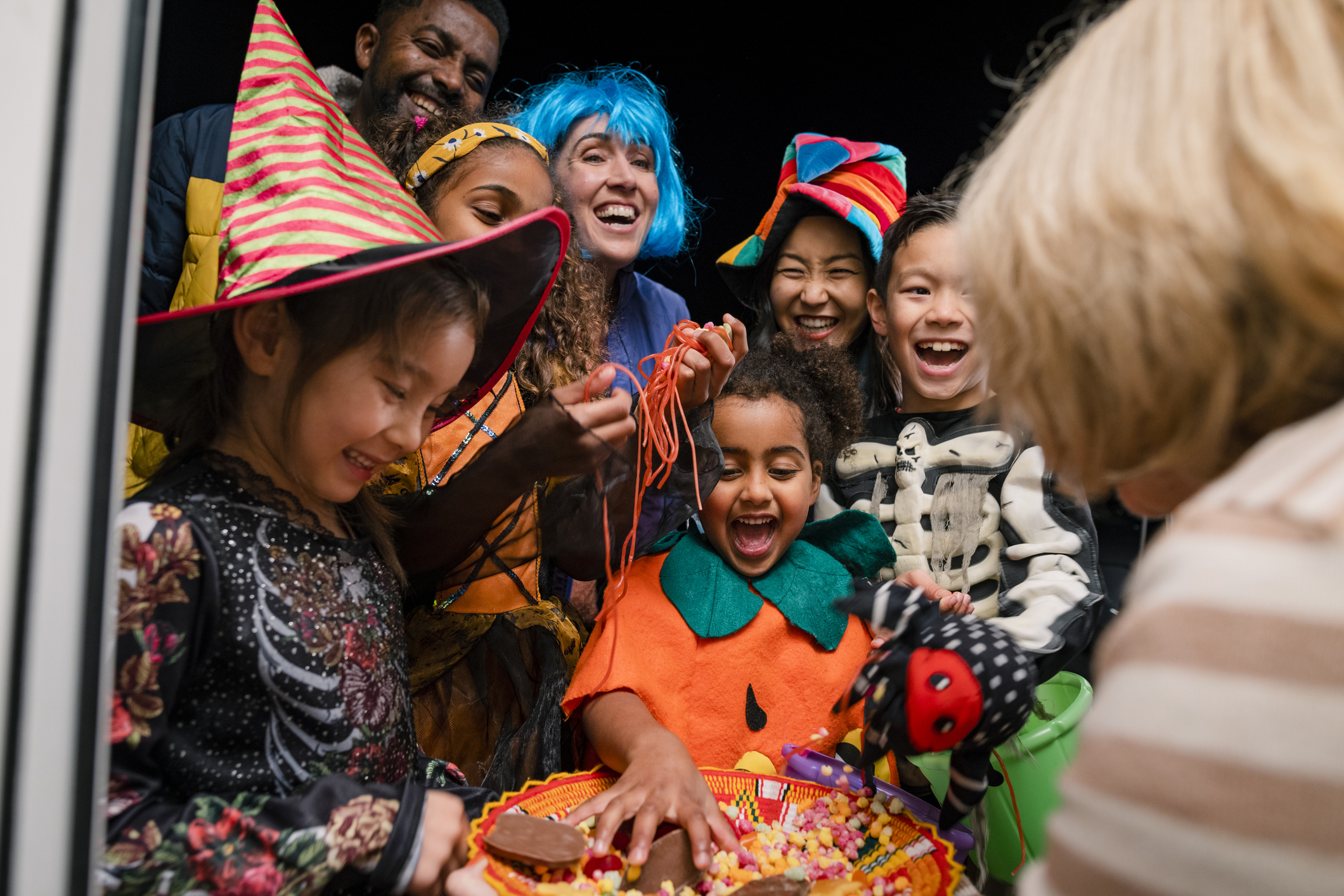
Choose costumes carefully
A great costume should be fun, but also easy to see, walk and breathe in.
Make sure costumes fit well and are not so long that children could trip over them. Shoes should be comfortable and sturdy enough for walking. If a costume includes a mask, check that your child can see clearly through it. Face paint or makeup may be a safer alternative when a mask limits vision.
Since many trick-or-treaters are outside after sunset, visibility is especially important. Choose lighter-colored costumes when possible, or add reflective tape to costumes and treat bags. Flashlights or glow sticks can also make children easier for drivers to see.
Costume accessories such as swords, canes or wands should be soft and flexible to help prevent injuries.
Trick-or-treat safely
Young children should always trick-or-treat with a responsible adult. Older children who are ready to go out without an adult should travel in a group and follow a planned route with a set return time.
Remind children to stay on sidewalks whenever possible and cross streets only at designated crosswalks or intersections. Before crossing, look left, right and left again, and continue watching for vehicles while crossing. Phones can also be a distraction. Encourage children to keep their heads up and put their devices away while walking, especially when crossing a street.
Drivers should be extra cautious on Halloween. Slow down in residential areas, watch closely for children who may enter the roadway unexpectedly and avoid distractions behind the wheel.
Check treats before eating
The candy may be the highlight of the night, but children should wait until they get home before digging in.
An adult should check treats and throw away anything that is unwrapped, opened or looks unusual. If your child has a food allergy, read labels carefully and make sure homemade or unlabeled treats are safe before they eat them.
Younger children may also need help avoiding hard candies, gum or other foods that could pose a choking hazard.
Make your home safer for visitors
If you’re handing out candy, take a few minutes to make your home safe for trick-or-treaters. Clear leaves, decorations, cords and other objects from walkways and steps. Make sure outdoor areas are well lit, and keep pets safely away from the front door.
Consider using battery-operated candles or glow sticks inside jack-o-lanterns instead of open flames. If you do use candles, place them where children and costumes cannot accidentally come into contact with them.
Halloween should be memorable for all the right reasons. Choosing safe costumes, staying alert around traffic and checking treats at the end of the night can help families enjoy the festivities with fewer worries. If an emergency does happen, WMCHealth is here to help.