
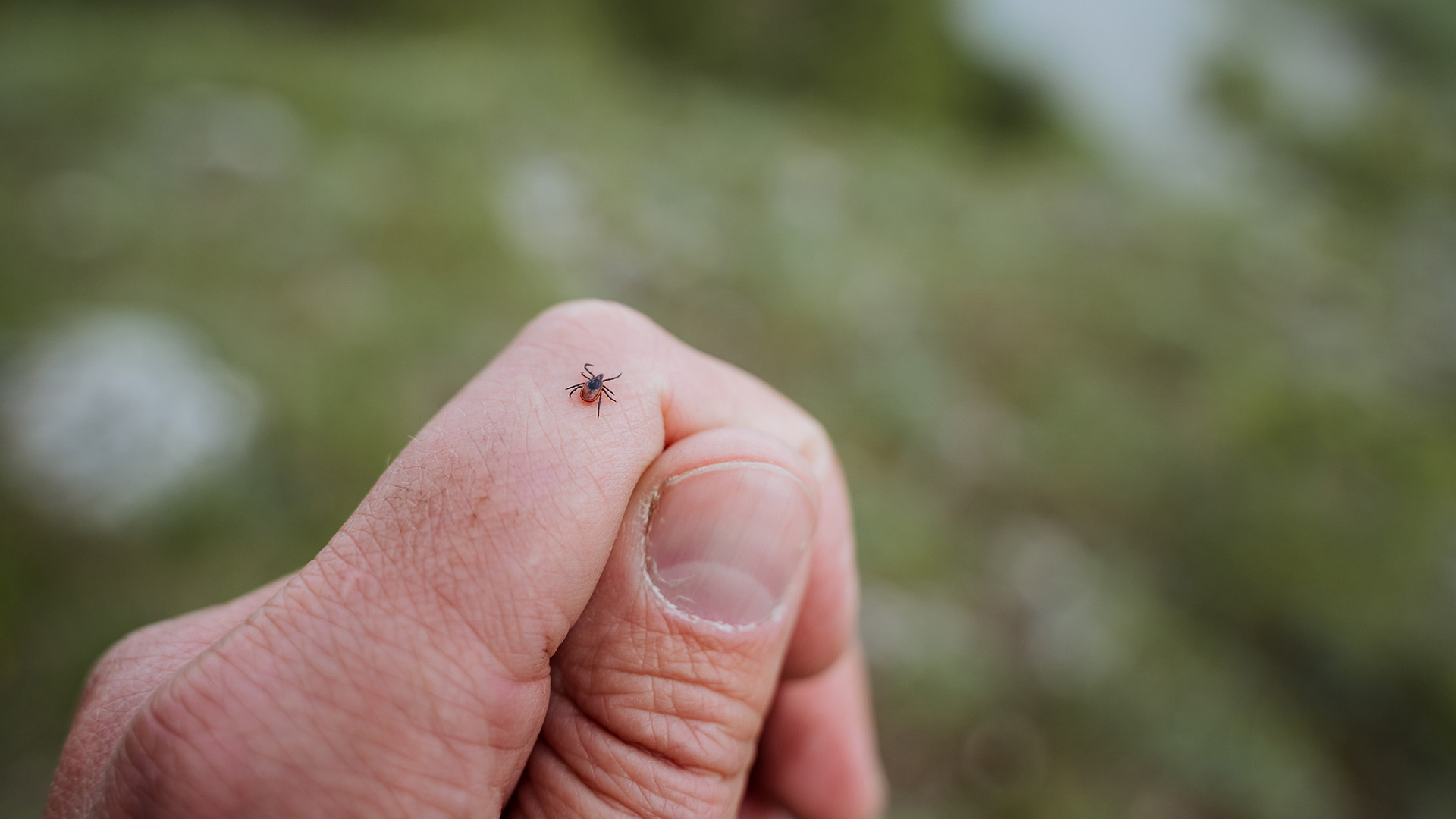
Warm weather in upstate New York means more time on the trails, in the yard and at the lake, but it also means a greater risk of tick bites. And in our region, that risk is especially serious. The Northeast, as defined by the CDC’s high-incidence states, accounts for the vast majority—close to 90 percent—of all reported Lyme disease cases in the U.S.
What is Lyme disease?
Lyme disease is a bacterial infection transmitted primarily through the bite of an infected black-legged tick (also called a deer tick). If left untreated, it can lead to serious complications involving the joints, nervous system and heart. While early treatment is effective, taking steps to avoid tick exposure is the most reliable way to stay safe.
When is tick season?
Ticks can be active year-round if temperatures stay above freezing, but the highest risk months are from May through August. That includes peak outdoor season, so whether you’re hiking the Catskills or gardening at home, awareness matters.
How to prevent tick bites
- Dress defensively: Wear long sleeves and pants, and tuck pants into socks or boots when walking through wooded or grassy areas.
- Use insect repellent: Apply EPA-registered repellents that contain DEET, picaridin or oil of lemon eucalyptus.
- Stay on the path: Ticks are more likely to cling to you from tall grasses or leaf litter. Stick to the center of trails when hiking.
- Check yourself (and your pets): After being outdoors, do a thorough tick check, especially around the scalp, behind the knees, underarms, waistband and behind the ears.
- Shower within two hours: Showering helps wash off any unattached ticks and gives you the chance to spot any that may have latched on.
What if you find a tick?
Remove it promptly with fine-tipped tweezers. Grasp the tick as close to the skin’s surface as possible and pull upward steadily. Do not twist or crush it. Clean the bite area with soap and water. If the tick was attached for more than 36 hours or you develop a rash, fever or flu-like symptoms in the following days, contact your doctor.
Know the signs of Lyme disease
Symptoms can appear 3 to 30 days after a bite and often include:
- A red, expanding rash (often shaped like a bull’s-eye)
- Fatigue
- Fever or chills
- Muscle and joint aches
- Swollen lymph nodes
When to seek care
If you think you may have been bitten by a tick or are experiencing symptoms of Lyme disease, don’t wait. Early treatment with antibiotics is highly effective and can prevent more serious complications down the road.
For more information or to speak with a WMCHealth primary care provider, call 914.592.2400.