
Medically reviewed by Daniel Charen, MD
A torn ACL (which stands for anterior cruciate ligament) can end a high school athlete’s season. Arthritis in the shoulder can make it hard to reach a kitchen cabinet. The people who come to the orthopedic practice at WMCHealth Good Samaritan Hospital in Suffern, New York, have very different problems, and they want very different things from their recovery.
The practice treats bone and joint injuries and conditions, and most patients get better without surgery. When surgery is the right choice, many procedures happen the same day, close to home.
Daniel Charen, MD, one of the practice’s orthopedic surgeons, trained alongside professional and college sports teams in Houston and now volunteers as a physician for the United States Ski Team. He approaches a ski racer and a retiree the same way.
“It’s really about understanding the patient’s goals and what they want to get back to,” he says. “Maybe that means doing a more thorough workup sooner, or trying some conservative treatment first.”
Sports Medicine and Joint Replacement In One Practice
Dr. Charen specializes in sports medicine, with a focus on the knee and shoulder. He treats rotator cuff tears, shoulder instability and shoulder arthritis, along with ACL and meniscus tears in the knee. He also cares for patients with fractures. He works closely with his partner, Robert Meyerson, MD, who performs knee and hip replacements and also practices sports medicine.
That partnership matters over the long run. A patient who first comes in for a sports injury and later develops arthritis can get care for both from the same practice, with surgeons who already know their history.
An Approach Shaped by Elite Athletes
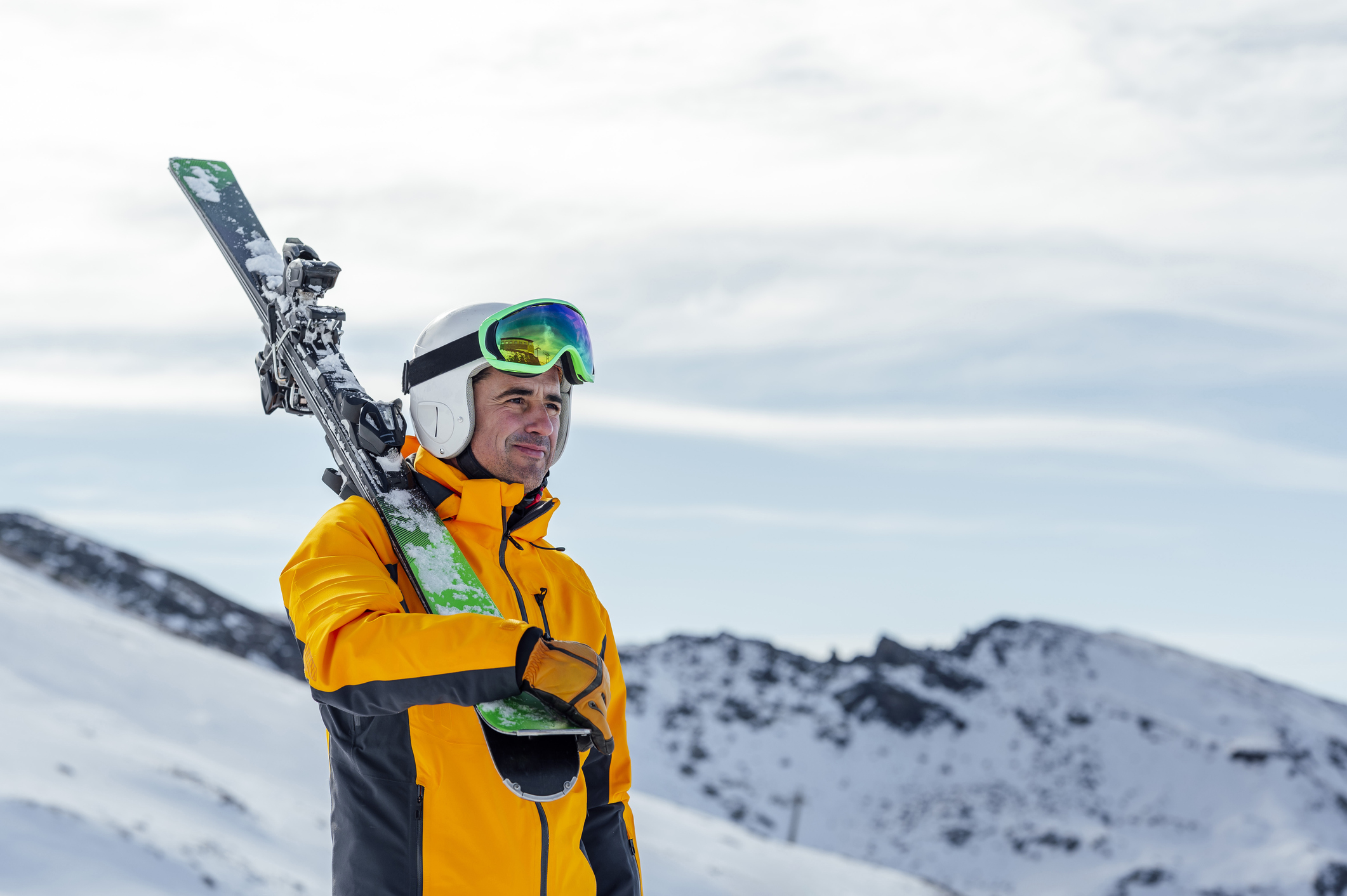
Dr. Charen has skied his whole life and knew before medical school that he wanted to care for the U.S. Ski Team. He now spends one to two weeks a year with the team, and this November he will travel with the athletes to Austria. On the mountain, he stands at the start or finish of each race, ready to respond if a skier traveling up to nearly 80 miles per hour goes down.
Working with athletes has taught him to ask early and specifically what a patient is trying to return to. For a ski racer, the answer is the next competition. For a patient at Good Samaritan, it might be a weekend tennis league, a job that involves heavy lifting or a full night’s sleep without shoulder pain. The answer shapes every decision that follows.
Finding the Right Starting Point
That initial conversation determines how quickly the team moves and which treatment comes first. A college athlete hoping to return before the end of the season may need an MRI right away. Someone whose shoulder has ached for months might start with physical therapy and a follow-up visit to check progress.
For many patients, conservative treatment is enough. “I am an orthopedic surgeon, but most issues can be treated without surgery,” Dr. Charen says. When surgery would give a patient a better result, the practice can offer it locally.
Throughout treatment, Dr. Charen stays in close contact with the other providers involved in a patient’s care. When he treats student athletes, he often calls the school’s athletic trainer directly so the plan on the field matches the plan in the office. He also keeps referring doctors and physical therapists informed as a patient’s recovery progresses.
Advanced Surgery Close to Home
Good Samaritan performs procedures that many people assume require a trip to a larger hospital. The practice offers ACL reconstruction using the latest cutting-edge techniques, along with knee and hip replacement. It also performs both anatomic and reverse shoulder replacement, and has the MAKO robot available for knee replacement. For patients with shoulder instability, Dr. Charen often adds a procedure called remplissage to a labral repair, which lowers the chance the shoulder will dislocate again.
The setting makes recovery easier. The procedures take place at the hospital’s surgery center or main operating rooms, and most patients go home the same day. Patients who need to stay overnight recover on a dedicated orthopedic floor, where every patient has a private room.
Dr. Charen recalls a man who had lived with severe shoulder arthritis for years before having a shoulder replacement about six months ago. He recovered quickly and returned to activities he had given up long before. People with chronic joint pain often adjust their lives around it without realizing how much they’ve lost, and surgery can give much of it back.
To make an appointment with Good Samaritan’s orthopedic team, visit Dr. Charen’s WMCHealth profile or find an orthopedic provider.