

Like a heart attack, a stroke is a “brain attack” that happens when blood flow to part of your brain is interrupted. When you’re having a stroke, every second counts. Getting treatment quickly can help protect your brain and reduce the risk of long-term disability. Important: If you or someone with you experiences symptoms of a stroke, immediately call 911.
Across the Westchester Medical Center Health Network (WMCHealth), you have access to rapid stroke diagnosis and advanced treatment, 24/7. Westchester Medical Center is the region’s only certified Comprehensive Stroke Center, with additional WMCHealth locations providing Primary and thrombectomy-capable stroke care throughout the Hudson Valley.
What Is a Stroke?
A stroke happens when part of your brain does not receive enough blood and oxygen. Without steady blood flow, brain cells start to die from a lack of oxygen. This can cause permanent brain damage, long-term disability, or even death.
There are two main types of stroke:
- Ischemic stroke happens when a clot or other blockage stops blood flow to part of your brain.
- Hemorrhagic stroke happens when a blood vessel in the brain leaks or ruptures (a bleed), like a brain aneurysm or brain AVM (arteriovenous malformation).
You can also experience a transient ischemic attack (TIA), sometimes called a “mini-stroke.” A TIA happens when blood flow to your brain is temporarily interrupted (usually a few minutes to an hour). It can be a warning sign of a future stroke and requires prompt medical attention.
Symptoms of a Stroke
Stroke symptoms can include one or more of the following. If you or someone with you experiences symptoms of a stroke, immediately call 911.
- Headache, especially if sudden or severe, or accompanied by nausea and vomiting
- Balance and coordination issues, like trouble walking
- Vision problems, including blurred or blackened vision in one or both eyes
- Numbness, weakness, or paralysis in your face, arm, or leg
- Trouble speaking or understanding what others are saying
The blood clots that cause ischemic strokes can happen because of conditions like an irregular heart rhythm or heart defects. Hemorrhagic strokes can happen due to high blood pressure or a brain aneurysm. It’s important to work with your doctor if you have underlying conditions that might cause a stroke, so you can take steps to prevent one.
Stroke and Related Cerebrovascular Conditions
You may also need specialized care for other conditions that affect blood flow in and around your brain. Our stroke and cerebrovascular specialists evaluate and treat conditions including:
- Brain aneurysm: A weakened area in a brain artery that bulges outward
- Carotid stenosis: Narrowing of the arteries that carry blood to your brain
- Vascular dissection: A tear in the wall of an artery that carries blood to your brain
- Arteriovenous malformation (AVM): An abnormal connection between arteries and veins in your brain
- Cerebral venous sinus thrombosis: A blood clot in a vein that drains blood from your brain
- Dural arteriovenous fistula (DAVF): An abnormal connection between arteries and veins in the covering of your brain
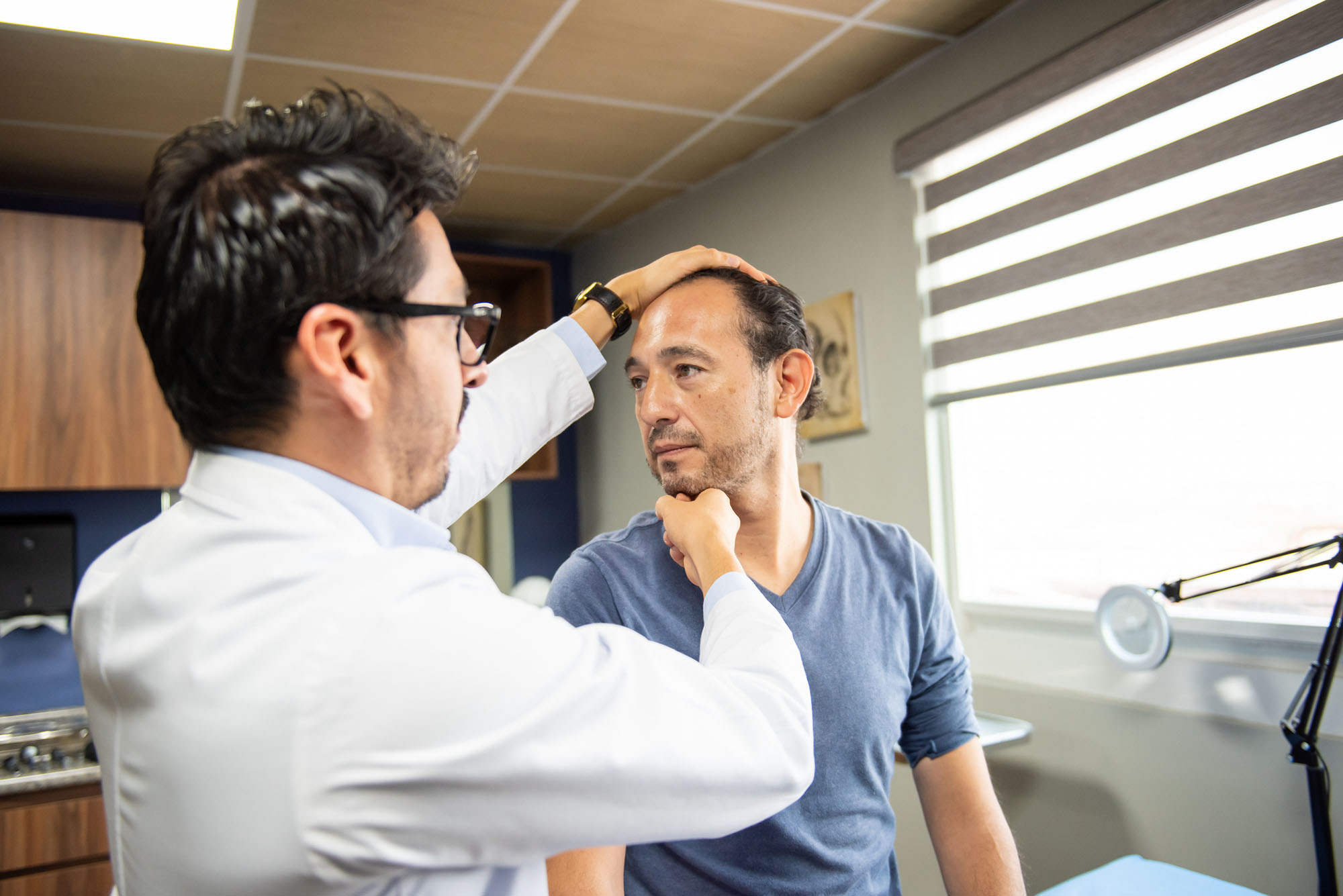
Know the Signs of a Stroke
Your stroke symptoms may begin suddenly. Remember BE FAST, and call 911 immediately if you or someone with you experiences any of these signs:
- B: Balance. Do you have a sudden loss of balance or coordination?
- E: Eyes. Do you suddenly have blurred, double, or lost vision?
- F: Face. Does one side of your face droop?
- A: Arms. Is one of your arms weak or numb?
- S: Speech. Is your speech slurred or difficult to understand?
- T: Time. Call 911 immediately.
You may also experience a sudden, severe headache, sometimes with nausea or vomiting.
Stroke Risk Factors
There are many conditions that may increase your risk for stroke, including:
- Obesity
- High blood pressure
- Alcohol use disorder
- Physical inactivity
- Smoking
- Cardiovascular disease
- Diabetes
- Sleep apnea
- Drug misuse (including prescription and non-prescription drugs)
If you have some of these underlying factors, talk to your doctor about how to help minimize them to prevent your risk for a stroke.
Know Your Stroke Risk
You may have stroke risk factors you can change, as well as others you cannot control. A stroke risk calculator can help you see how factors such as your age, blood pressure, smoking history, diabetes, and heart health may affect your risk.
Some calculators, including the Framingham Stroke Risk Profile, estimate your chance of having a stroke within the next 10 years. Your results can give you a starting point for talking with your doctor about which risk factors you may be able to manage.
Merritt Kinon
Spine Surgery, Neurological Surgery
Locations:
-
100 Woods Rd ACP 4th Floor
Valhalla, NY 10595
 WMCHealth Provider

Katharine McNeill
Neurology
Locations:
-
19 Bradhurst Avenue Suite 3850 S
Hawthorne, NY 10532
WMCHealth Provider

Vishad Sukul
Neurological Surgery
Locations:
-
100 Woods Rd ACP 4th Floor
Valhalla, NY 10595
WMCHealth Provider
Tamara Benoit
Neurological Surgery
Locations:
-
100 Woods Rd ACP 4th Floor
Valhalla, NY 10595
WMCHealth Provider

Chirag Gandhi
Neuroendovascular Surgery, Neurological Surgery
Locations:
-
100 Woods Rd ACP 4th Floor
Valhalla, NY 10595
WMCHealth Provider
Kelsey Kimble
Neurological Surgery
Locations:
-
100 Woods Rd ACP 4th Floor
Valhalla, NY 10595
WMCHealth Provider

Justin Santarelli
Neuroendovascular Surgery, Neurological Surgery, Open Cerebrovascular Surgery
Locations:
-
100 Woods Rd ACP 4th Floor
Valhalla, NY 10595
WMCHealth Provider
Sebastian Rubino
Neurological Surgery
Locations:
-
257 Lafayette Ave MOB Suite 285
Suffern, NY 10901
WMCHealth Provider

Simon Hanft
Neurological Surgery
Locations:
-
100 Woods Rd ACP 4th Floor
Valhalla, NY 10595
WMCHealth Provider

Stephanie Gandelman
Neurology, Neuroimmunology, Tele-Neurology
Locations:
-
19 Bradhurst Avenue Suite 3850 S
Hawthorne, NY 10532
WMCHealth Provider
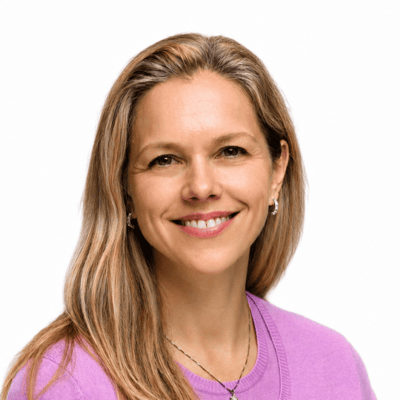
Carrie Muh
Pediatric Neurosurgery
Locations:
-
19 Bradhurst Avenue Suite 3050
Hawthorne, NY 10532
WMCHealth Provider
Avinash Mohan
Neurological Surgery, Pediatric Neurosurgery, Pediatric Spine Surgery
Locations:
-
100 Crystal Run Road Suite 108
Middletown, NY 10941
WMCHealth Provider
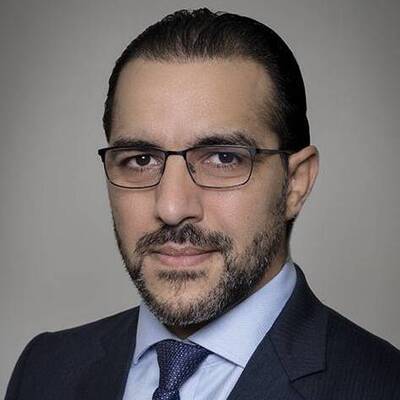
Fawaz Al Mufti
Neurology
Locations:
-
100 Woods Rd ACP 4th Floor
Valhalla, NY 10595
WMCHealth Provider

Gurmeen Kaur
Neuroendovascular Surgery, Neurology, Vascular Neurology, Tele-Neurology
Locations:
-
100 Woods Rd ACP 4th Floor
Valhalla, NY 10595
WMCHealth Provider

Tatyana Gitlevich
Clinical Neurophysiology, Neurology, Epilepsy, Tele-Neurology
Locations:
-
19 Bradhurst Avenue Suite 3850 S
Hawthorne, NY 10532
WMCHealth Provider
Rachana Tyagi
Pediatric Spine Surgery, Neurological Surgery
Locations:
-
19 Baker Avenue Suite 302
Poughkeepsie, NY 12601
WMCHealth Provider
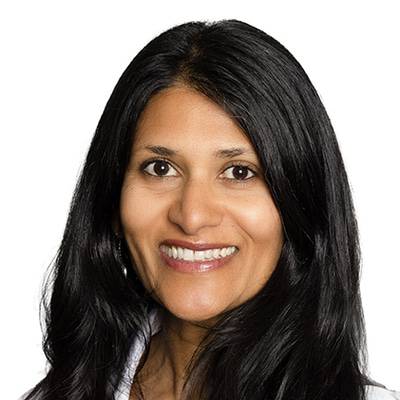
Sherine Varghese
Neurological Surgery
Locations:
-
100 Woods Rd ACP 4th Floor
Valhalla, NY 10595
WMCHealth Provider

Jared Pisapia
Pediatric Neurosurgery, Neurological Surgery
Locations:
-
100 Woods Rd ACP 4th Floor
Valhalla, NY 10595
WMCHealth Provider
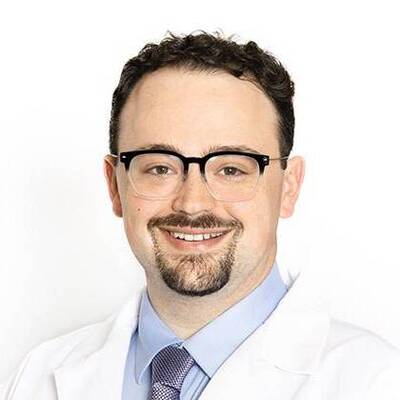
Alec Friedman
Neurology, Tele-Neurology, Neuroimmunology
Locations:
-
666 Lexington Ave Suite 208
Mount Kisco, NY 10549
WMCHealth Provider
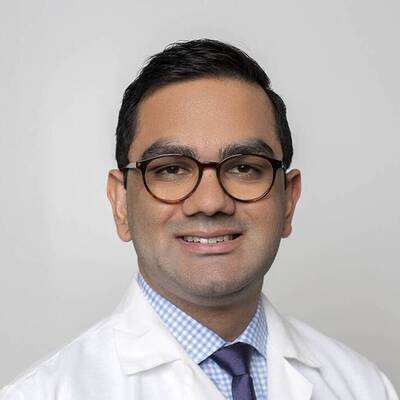
John Wainwright
Spine Surgery, Neurological Surgery
Locations:
-
100 Woods Rd ACP 4th Floor
Valhalla, NY 10595
WMCHealth Provider
Diagnosing a Stroke
If emergency medical services identify signs of a possible stroke, they may alert our stroke team before you arrive. This allows your care team to begin evaluating you as quickly as possible.
Testing helps your care team determine whether you’re having a stroke, what type you have, and which treatment may be appropriate. Testing may include:
- CT scan to look for bleeding or signs of damage in your brain
- Blood tests to provide information about how your blood clots
- Neurological exam to evaluate your awareness, movement, balance, coordination, and senses
- EKG to evaluate your heart rhythm and identify possible cardiac factors related to your stroke
- MRI to provide detailed images of your brain and blood vessels
Treatment for Stroke
Your stroke treatment will depend on the type of stroke you have, its cause, and your individual needs. Your care team will explain your options and recommend treatment based on your condition.
- Ischemic stroke: Your treatment will focus on restoring blood flow to your brain. You may receive thrombolytics (a clot-dissolving medication) or mechanical thrombectomy, a minimally invasive procedure that removes certain blood clots.
- Hemorrhagic stroke: Your treatment will focus on controlling bleeding and reducing pressure on your brain. Depending on the cause, you may need medications, an endovascular procedure, or surgery.
Advanced Stroke Treatment at MidHudson Regional Hospital
Stroke care is all about time. Every minute saved can protect millions of brain cells. That’s why WMCHealth expanded advanced stroke treatment to MidHudson Regional Hospital in Poughkeepsie, including the ability to perform lifesaving thrombectomy procedures.
By reducing transport times and bringing advanced stroke care closer to home, we’re helping patients receive treatment sooner. Faster treatment can help limit brain damage and reduce the risk of long-term disability.
Why Choose WMCHealth for Stroke Care
Across WMCHealth, you have access to advanced stroke diagnosis, treatment, and recovery care. Our stroke specialists use advanced technology and work across disciplines to provide care based on your individual needs.
Stroke Care Across WMCHealth
Your stroke care needs may vary depending on the type and complexity of your condition. Across WMCHealth, you have access to different levels of specialized stroke care throughout the network:
- Westchester Medical Center: Comprehensive Stroke Center
- MidHudson Regional Hospital: Primary Stroke Center Plus, with thrombectomy capabilities
- HealthAlliance Hospital: Primary Stroke Center
- Good Samaritan Hospital: Primary Stroke Center
Our stroke teams work across locations, with TeleStroke helping specialists support evaluation and treatment decisions at hospitals throughout the region.
Advanced Stroke Technology
Advanced diagnostic technology helps your care team evaluate your stroke and determine which treatments may be appropriate. Through TeleStroke, our stroke specialists can extend their expertise to WMCHealth locations across the region.
RAPID CT perfusion technology can help your care team determine whether certain neurointerventional treatments may still be an option. You may also have transcranial Doppler (TCD) testing, which uses ultrasound to evaluate blood flow in your brain.
WMCHealth also uses robotic TCD technology to monitor for vasospasm, a narrowing of blood vessels that can occur after certain brain bleeds.
Coordinated Brain and Heart Care
Some strokes in younger adults may be associated with a patent foramen ovale (PFO), a small opening between the upper chambers of your heart. Determining whether a PFO contributed to your stroke can require both neurological and cardiac expertise.
Through our Brain Heart Collaboration, you can see neurologists and structural cardiologists as part of one coordinated evaluation. Testing may include transcranial Doppler and echocardiogram studies with bubble testing.
Whenever possible, we coordinate your testing and specialist visits to reduce unnecessary travel and help you understand whether PFO closure may be appropriate.
National Recognition
All four Westchester Medical Center Health Network stroke centers received the American Heart Association/American Stroke Association Gold Plus Quality Achievement Award in 2024 and 2025. This national recognition reflects our teams’ commitment to following advanced, evidence-based guidelines for stroke treatment.
Stroke Recovery Care
Your recovery after a stroke or TIA may include rehabilitation to help you regain movement, communication, and everyday skills. Our Stroke Rehabilitation Program uses advanced technologies, including virtual reality and wearable technology, to support your balance and walking skills. Your recovery program may also include speech and language therapy and occupational therapy.
Vivistim for Arm and Hand Recovery
If you are at least six months past an ischemic stroke, Vivistim may be an option to support continued arm and hand recovery. This treatment is offered as a clinical program, rather than a clinical trial.
Your rehabilitation team may begin discussing longer-term recovery options earlier in your care. Vivistim may be considered after standard rehabilitation, depending on your needs.
Stroke Support Group
You can also connect with other stroke survivors through our virtual monthly support group. Along with opportunities to connect and share resources, you can learn about nutrition, physical therapy, and other steps that may help you reduce your risk of another stroke.

Pediatric Stroke and Cerebrovascular Care
Children can experience ischemic stroke and other conditions affecting blood vessels in the brain. Through collaboration with Maria Fareri Children’s Hospital, our specialists provide pediatric stroke and cerebrovascular care.
Depending on your child’s condition, treatment may include clot-dissolving medication or clot retrieval. Our endovascular specialists also treat conditions such as aneurysms, AVMs, and blood vessel dissections in children.
Some genetic conditions can also contribute to stroke in children. When appropriate, your child can access genetics expertise as part of a more comprehensive evaluation.
Stroke Resources
Community Stroke Education
We offer community outreach and education for a variety of audiences, from fellow clinical providers and emergency medical service (EMS) technicians to the general public. To request stroke education for your community or event, please contact [email protected].
Stroke Research and Clinical Trials
WMCHealth participates in StrokeNet, a multisite clinical trials network for stroke. This means you may have opportunities to participate in research focused on stroke treatment, prevention, or recovery. Current research may include studies focused on acute treatment, prevention, language recovery, and arm recovery.
Learn about our Clinical Research Program
Explore a Cookbook
Simply Good is a cookbook for stroke survivors and their families. Choosing and limiting certain foods can help reduce your risk of having another stroke.
Hear from Our Experts
Stroke doesn’t wait — and neither should you. Tune in for a lifesaving conversation with stroke experts from Bon Secours Charity Health System, Mill Etienne, MD, Stroke Medical Director and Adam M. Karp, MD, Vascular Neurologist. You’ll learn how to spot the signs of stroke, take fast action, and why every second counts.