

Finding a new lump or bump on your child’s body can lead to many questions and concerns for families. Maria Fareri Children’s Hospital, a member of the Westchester Medical Center Health Network (WMCHealth), provides specialized pediatric cancer care for children, adolescents, and young adults throughout New York and the Hudson Valley. Our care teams work together to diagnose solid tumors, tailor treatment, and support families through treatment and follow-up. When possible, children can receive expert care close to home.
What Are Pediatric Solid Tumors?
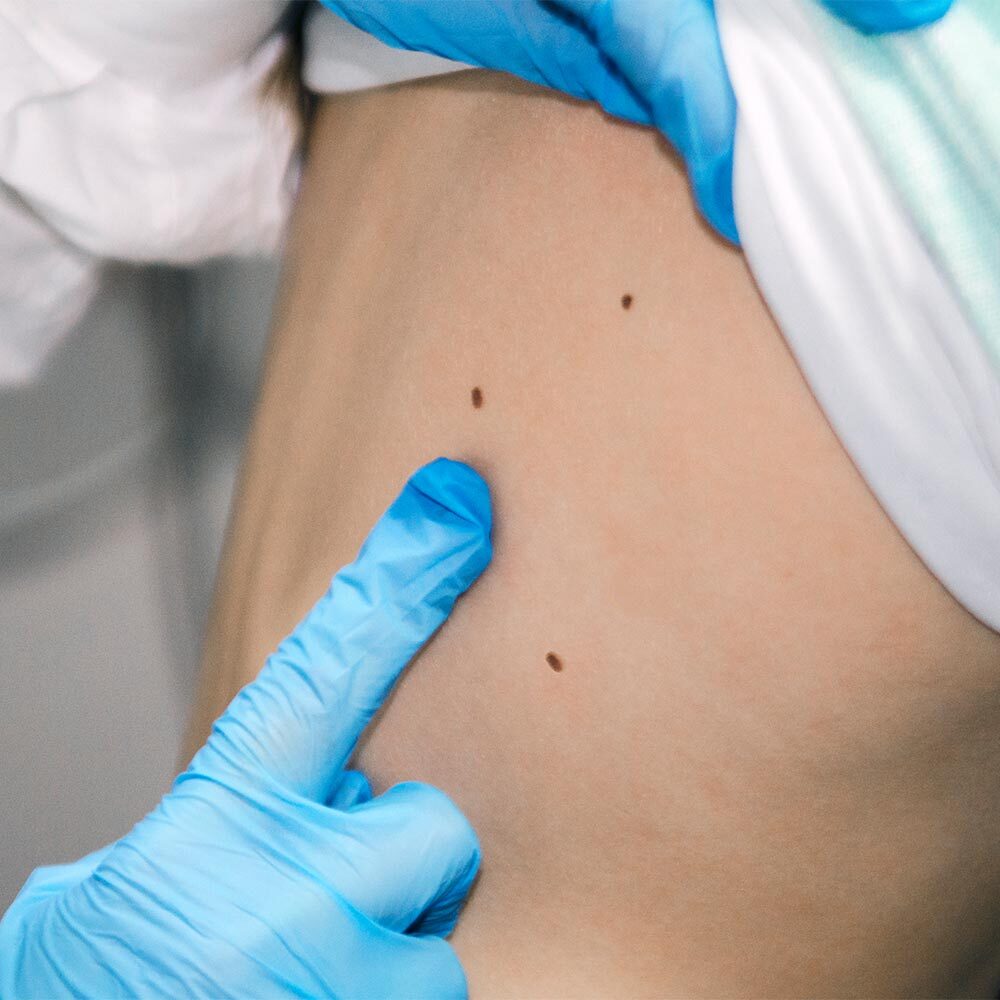
Pediatric solid tumors are growths that can start in many parts of the body. A solid tumor is a mass of cells that grows in an organ, bone, muscle, or other tissue. Solid tumors may be benign (noncancerous), malignant (cancerous), or precancerous.
Symptoms can vary, so an early evaluation can help your family understand what is happening and what steps may come next. The tumor type and where it starts will help guide the treatment plan.
Every child and every tumor is different. That’s why the WMCHealth team takes time to evaluate and image solid tumors to understand the tumor type before recommending treatment. For some patients, treatment may be minimally invasive or even provided in the office, without requiring a hospital stay.
Types of Pediatric Solid Tumors
Not all solid tumors are cancerous. They are often grouped into three main categories. The type of solid tumor is one of the first things your child’s care team will consider when they create a treatment plan.
- Benign/noncancerous solid tumors: These tumors typically don’t spread to other parts of the body. They may appear as lumps or bumps that don’t change. Treatment may only be needed if the tumor presses on nearby tissue, organs, or other body parts.
- Precancerous tumors: These tumors are not cancer, but they may become cancer over time if they are not treated or monitored. Timely treatment and close monitoring are important.
- Malignant/cancerous tumors: These tumors can spread to other parts of the body, sometimes quickly. Treatment varies depending on the type of cancer, where it’s located, and whether it’s spreading. Cancer can come back after treatment, so providers monitor childhood cancer survivors even after they complete treatment.
Locations and Names of Solid Tumors
Pediatric solid tumors are often grouped by where they start and the type of tissue involved. WMCHealth specialists are experienced in diagnosing, monitoring, and treating:
- Neuroblastoma, which can develop in areas such as the head, chest, or abdomen
- Kidney tumors, such as Wilms tumor
- Germ cell tumors, which often develop in ovaries and testes
- Bone tumors, such as osteosarcoma and
,Ewing sarcoma - Soft tissue sarcomas, including
,rhabdomyosarcoma,and other soft tissue sarcomas - Liver tumors, such as hepatoblastoma and hepatocellular carcinoma
- Thyroid tumors, such as papillary thyroid cancer
- Rare Tumors, such as adrenocortical carcinoma and pleuropulmonary blastoma
Diagnosing Pediatric Solid Tumors
Diagnosis matters because symptoms may be vague or similar to other childhood conditions. The goal of testing is to understand where the tumor is, what type it may be, how it’s affecting your child’s health, and whether it has affected nearby organs or tissues.
Your child’s doctor may start with a physical exam and imaging tests, such as a CT scan or MRI. Imaging helps the care team see the tumor. A biopsy and blood test may also be needed to study tumor tissue and confirm the diagnosis.
Once the results of the tests are available, the care team talks with your family about the tumor type and treatment options available. At WMCHealth, families have access to expert, individualized childhood cancer care in the Hudson Valley without having to travel into New York City.
Pediatric Solid Tumor Treatment
Because pediatric solid tumors can vary widely, your child’s treatment plan is personalized. The care team considers the tumor type and location, whether it’s spread, the tumor’s features, and your child’s overall health.
Treatment may include one approach or a combination of therapies. Your child’s care team will explain the goals of each option and how treatment may affect daily life.
Treatment options may include:
- Observation, as some tumors resolve on their own or cause no issues
- Surgery to remove the tumor
- Clinical trials that may give some children access to newer treatment approaches, which may be more effective or minimize side effects
- Personalized medicines, that are designed to specifically target your child’s tumor
- Immunotherapy to harness your child’s immune system to help combat the tumor
- Chemotherapy to shrink the tumor or treat cancer cells throughout the body
- Radiation therapy, including focused radiation or proton therapy when appropriate
- Organ or stem cell transplant
- Imaging and follow-up care to monitor the tumor during and after treatment
When possible, the WMCHealth team may use minimally invasive or office-based treatments to minimize disruption to your family’s life. If a stay in the hospital is needed, we offer private rooms and access to some clinical trials that may not be available at other hospitals in the region.
Brittany Huber
Hematology & Oncology
Locations:
-
19 Bradhurst Avenue Suite 800S
Hawthorne, NY 10532
 WMCHealth Provider
Jessica Hochberg
Pediatric Hematology-Oncology
Locations:
-
19 Bradhurst Avenue Suite 800S
Hawthorne, NY 10532
Oya Tugal
Pediatric Hematology-Oncology
Locations:
-
19 Bradhurst Avenue Suite 800S
Hawthorne, NY 10532

Jeremy Rosenblum
Pediatric Hematology-Oncology
Locations:
-
19 Bradhurst Avenue Suite 800S
Hawthorne, NY 10532

Mitchell Cairo
Pediatric Hematology-Oncology
Locations:
-
19 Bradhurst Avenue Suite 800S
Hawthorne, NY 10532
Edo Schaefer
Pediatric Hematology-Oncology
Locations:
-
19 Bradhurst Avenue Suite 800S
Hawthorne, NY 10532
Allyson Flower
Pediatric Hematology-Oncology
Locations:
-
19 Bradhurst Avenue Suite 800S
Hawthorne, NY 10532
Andrew Bellantoni
Pediatric Hematology-Oncology
Locations:
-
19 Bradhurst Avenue Suite 800S
Hawthorne, NY 10532
Mehmet Ozkaynak
Pediatric Hematology-Oncology
Locations:
-
19 Bradhurst Avenue Suite 800S
Hawthorne, NY 10532
Zoe King
Pediatric Hematology-Oncology
Locations:
-
19 Bradhurst Avenue Suite 800S
Hawthorne, NY 10532

Kayleigh Klose
Pediatric Hematology-Oncology
Locations:
-
19 Bradhurst Avenue Suite 800S
Hawthorne, NY 10532

Suzanne Braniecki
Clinical Neuropsychology
Locations:
-
19 Bradhurst Avenue Suite 800S
Hawthorne, NY 10532
Lila Pereira
Child & Adolescent Psychiatry, Clinical Psychology
Locations:
-
19 Bradhurst Avenue Suite 800S
Hawthorne, NY 10532
Our Approach to Whole-Child Cancer Care
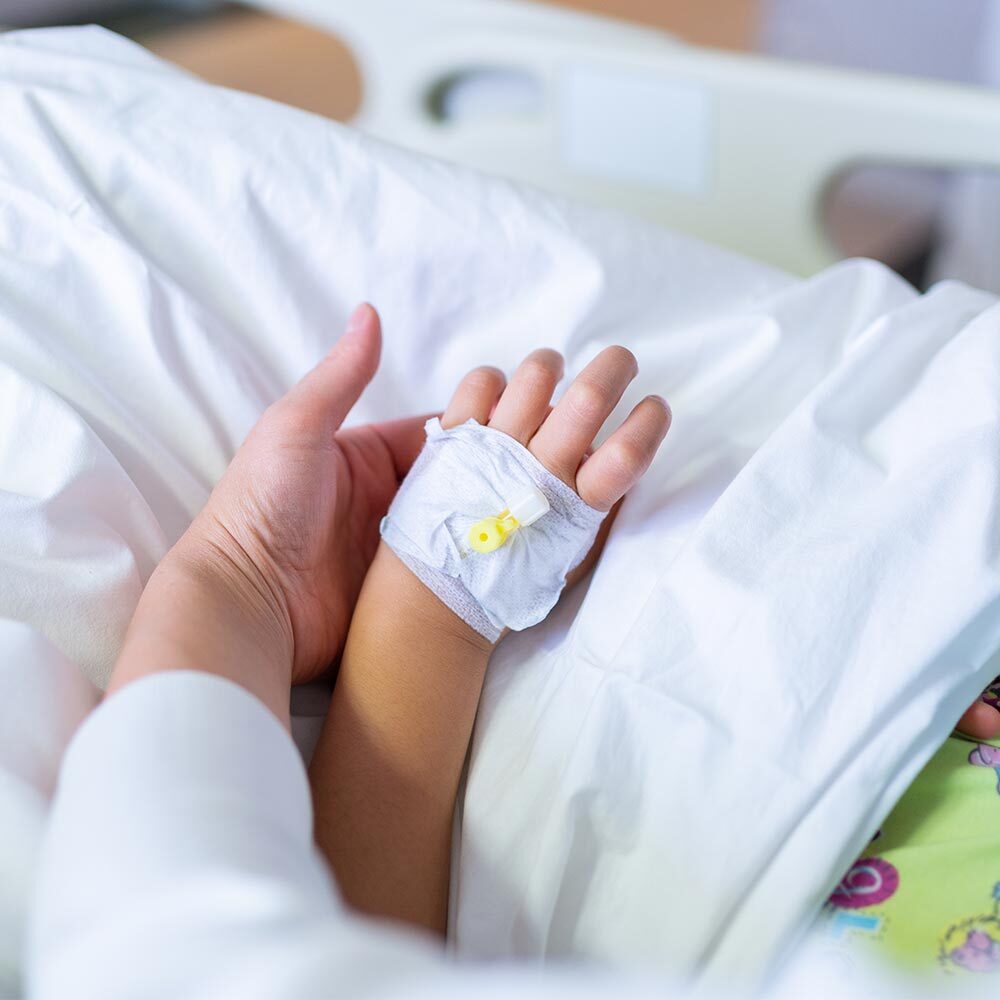
If your child has a cancerous solid tumor, treatment can affect many parts of their life and your family’s routine. At WMCHealth, we take a comprehensive approach to childhood cancer care. Depending on where your child’s tumor is located, pediatric oncologists work closely with specialists in surgery, radiation oncology, rehabilitation, urology, orthopedics, transplant, and other areas of care.
We provide nutrition services, mental health support, rehabilitation when needed, and fertility preservation services when appropriate. Your family will also receive support from a licensed social worker who, among other things, can even help make sure your child doesn’t fall behind in school during treatment. Our team is here to support your family every step of the way.
Follow-Up Care and Survivorship
Follow-up is part of care during and after treatment. Your child’s care team will explain what follow-up may look like based on the tumor type, treatment received, and your child’s long-term needs. After treatment is complete, visits become less frequent over time.
Survivorship care begins after treatment is over and the care team is focused on long-term health, growth, learning, and possible late effects of treatment.