

Some children and families have an inherited risk for certain cancers. You may learn about this risk after your child’s cancer diagnosis, through family history, or from genetic testing for another health concern.
The Pediatric Cancer Genetics and Predisposition Program at Maria Fareri Children’s Hospital, a member of Westchester Medical Center Health Network (WMCHealth), helps you understand what that risk means. Our team provides genetic evaluation, testing, counseling, surveillance planning, and long-term care coordination.
We care for infants, children, adolescents, and young adults. Through our partnership with Boston Children’s Health Physicians, your family has access to pediatric cancer genetics expertise, long-term planning, and coordinated care close to home.

What Is Pediatric Cancer Genetics and Predisposition?
Pediatric cancer genetics focuses on inherited changes in genes that may increase a child’s cancer risk. These changes are sometimes called cancer predisposition syndromes.
Not every child with a genetic change will develop cancer. However, knowing about an increased risk can help you and your child’s care team plan ahead.
Pediatric Cancer Genetics and Predisposition Services
The Pediatric Cancer Genetics and Predisposition Program within The Maria Fareri Children’s Hospital in partnership with Boston Children’s Health Physicians (BCHP) provides expert evaluation, genetic analysis, and long-term personalized care for children and families who are at increased risk for developing hereditary cancers.
Our multidisciplinary program is designed to meet the needs of infants, children, adolescents, and young adults within the area, including Westchester County, the Hudson Valley, and the surrounding communities, as we offer evidence-based surveillance, prevention strategies, and coordinated clinical management. Our program helps you understand your child’s risk and what to do next. Every care plan is based on your child’s diagnosis, genetic results, family history, and medical needs.
Our services include:
- Genetic testing
- Risk assessment
- Pre-test counseling
- Post-test counseling
- Family history review
- Surveillance planning
- Care coordination
- Preventive care guidance
- Long-term follow-up
- Family education and support
Genetic Evaluation and Testing
Genetic testing may include blood testing, cheek swab testing, or more advanced genetic testing. Your care team will explain which test may be recommended and why.
When needed, testing may include next-generation sequencing, whole exome sequencing, whole genome sequencing, or microarray testing.

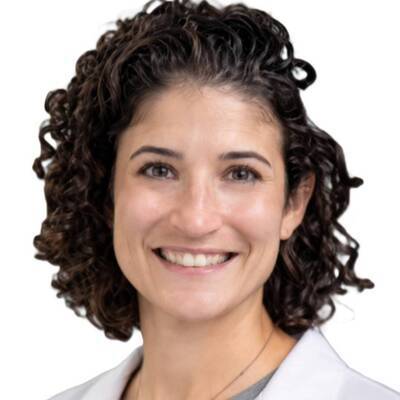
Ashley Reinert
Pediatric Hematology-Oncology
Locations:
-
100 Woods Road
Valhalla, NY 10595
 WMCHealth Provider
What to Expect at Your First Appointment
During your first visit, your family will meet with members of our pediatric cancer genetics team. This visit usually lasts about 45 to 60 minutes.
Your care team may ask about:
- Your child’s birth history
- Your child’s medical history
- Your family’s cancer history
- Prior genetic testing results
- Your child’s current specialists
- Your questions and concerns
Depending on the visit, your care team may recommend genetic testing. They may also explain whether your child needs screening, imaging, lab work, or follow-up with other specialists.
If testing is not needed, we will explain why. We will also help you understand whether any future follow-up is recommended.
Our Approach to Pediatric Cancer Genetics and Predisposition Care
Genetic testing is only one part of your child’s care. Our team helps turn complex results into clear next steps for your child and family.
Your child’s care plan may be based on genetic results, family history, and national surveillance guidance. For children with cancer, genetic results may also help the oncology team personalize treatment.
Some inherited changes can affect how a child may respond to certain therapies. Your care team will explain what applies to your child and what steps may be recommended.
Coordinated Care from Pediatric Specialists
Children with inherited cancer risk may need care from several specialists. Our program helps bring those specialists together around your child’s needs.
Your child’s care may involve:
- Radiology
- Neurology
- Dermatology
- Social work
- Endocrinology
- Physical therapy
- Pediatric surgery
- Pediatric oncology
- Gastroenterology
- Orthopedic surgery
We work closely with your child’s pediatrician, oncologist, and other specialists. This helps keep recommendations, testing, screening, and follow-up connected.
Education and Guidance for Your Family
Genetic results can raise questions for the whole family. We help you understand what results may mean for your child, siblings, parents, and other relatives.
Our team explains recommendations in clear, practical terms. We can help you understand testing options, screening timelines, and why certain follow-up steps may be needed.
When appropriate, we can also help connect adult family members with the right specialists.

Long-Term Support for Children and Families
Some children need surveillance throughout childhood, adolescence, and young adulthood. Our team supports your family as your child’s care needs change over time.
We help you understand when imaging, lab work, or specialist visits are needed. We also help coordinate follow-up so important screenings do not fall through the cracks.
When your child needs support at home or school, our team can help connect you with resources. This may include social work support, therapy referrals, or help navigating school-based services.