

Neuromuscular disorders affect how your nerves and muscles work together. Because there are many types of these disorders, symptoms can vary and may have several possible causes. An accurate diagnosis is an important first step toward finding the right care.
At WMCHealth, our neuromuscular specialists use advanced testing to identify what may be causing your symptoms. From there, we work with you and your care team to tailor a treatment plan to your needs.
These conditions can affect many parts of your health, so care from an experienced multidisciplinary team is important. Your care may include medication, infusion therapy, rehabilitation, advanced therapies, or access to clinical trials for selected conditions.

Justin Santarelli
Neuroendovascular Surgery, Neurological Surgery, Open Cerebrovascular Surgery
Locations:
-
100 Woods Rd ACP 4th Floor
Valhalla, NY 10595
 WMCHealth Provider
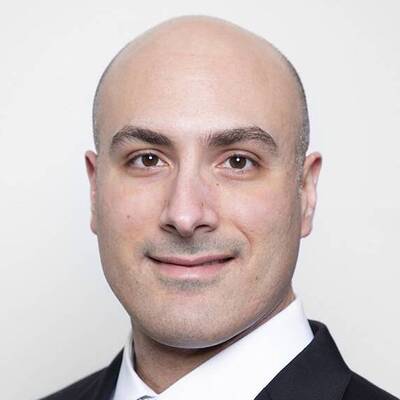
Merritt Kinon
Spine Surgery, Neurological Surgery
Locations:
-
100 Woods Rd ACP 4th Floor
Valhalla, NY 10595
WMCHealth Provider

Chirag Gandhi
Neuroendovascular Surgery, Neurological Surgery
Locations:
-
100 Woods Rd ACP 4th Floor
Valhalla, NY 10595
WMCHealth Provider

Kelsey Kimble
Neurological Surgery
Locations:
-
100 Woods Rd ACP 4th Floor
Valhalla, NY 10595
WMCHealth Provider
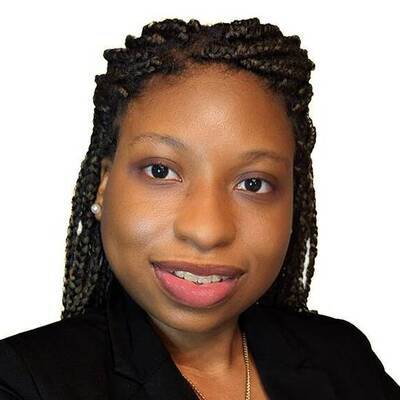
Tamara Benoit
Neurological Surgery
Locations:
-
100 Woods Rd ACP 4th Floor
Valhalla, NY 10595
WMCHealth Provider
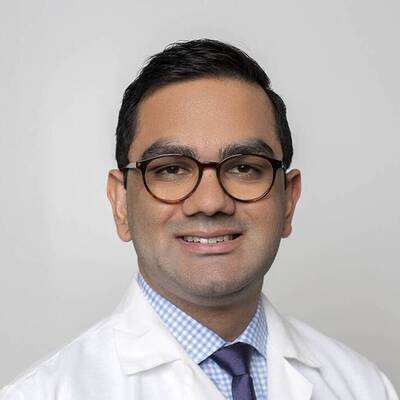
John Wainwright
Spine Surgery, Neurological Surgery
Locations:
-
100 Woods Rd ACP 4th Floor
Valhalla, NY 10595
WMCHealth Provider

Vishad Sukul
Neurological Surgery
Locations:
-
100 Woods Rd ACP 4th Floor
Valhalla, NY 10595
WMCHealth Provider
Avinash Mohan
Neurological Surgery, Pediatric Neurosurgery, Pediatric Spine Surgery
Locations:
-
100 Crystal Run Road Suite 108
Middletown, NY 10941
WMCHealth Provider

Simon Hanft
Neurological Surgery
Locations:
-
100 Woods Rd ACP 4th Floor
Valhalla, NY 10595
WMCHealth Provider

Stephanie Gandelman
Neurology, Neuroimmunology, Tele-Neurology
Locations:
-
19 Bradhurst Avenue Suite 3850 S
Hawthorne, NY 10532
WMCHealth Provider
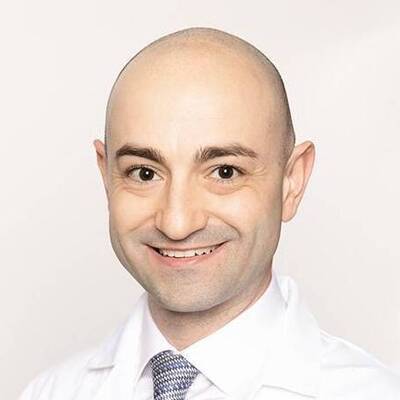
Sebastian Rubino
Neurological Surgery
Locations:
-
257 Lafayette Ave MOB Suite 285
Suffern, NY 10901
WMCHealth Provider
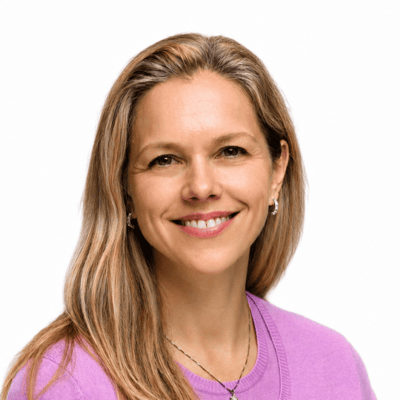
Carrie Muh
Pediatric Neurosurgery
Locations:
-
19 Bradhurst Avenue Suite 3050
Hawthorne, NY 10532
WMCHealth Provider
Shirley Bastien-Georges
Neurology
Locations:
-
100 Route 59 Suite 101
Suffern, NY 10901
WMCHealth Provider
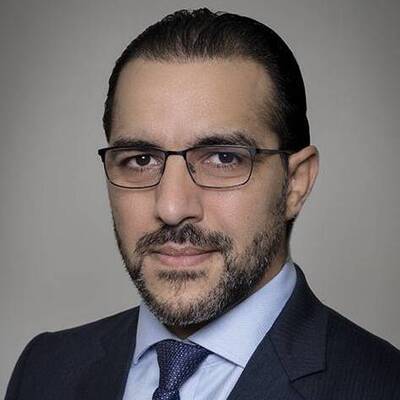
Fawaz Al Mufti
Neurology
Locations:
-
100 Woods Rd ACP 4th Floor
Valhalla, NY 10595
WMCHealth Provider
Rachana Tyagi
Pediatric Spine Surgery, Neurological Surgery
Locations:
-
19 Baker Avenue Suite 302
Poughkeepsie, NY 12601
WMCHealth Provider
Alec Friedman
Neurology, Tele-Neurology, Neuroimmunology
Locations:
-
666 Lexington Ave Suite 208
Mount Kisco, NY 10549
WMCHealth Provider

Uchenna Okafo
Spine Surgery, Neurological Surgery, Neuroendovascular Surgery
Locations:
-
19 Baker Avenue Suite 302
Poughkeepsie, NY 12601
WMCHealth Provider

Gurmeen Kaur
Neuroendovascular Surgery, Neurology, Vascular Neurology, Tele-Neurology
Locations:
-
100 Woods Rd ACP 4th Floor
Valhalla, NY 10595
WMCHealth Provider

Tatyana Gitlevich
Clinical Neurophysiology, Neurology, Epilepsy, Tele-Neurology
Locations:
-
19 Bradhurst Avenue Suite 3850 S
Hawthorne, NY 10532
WMCHealth Provider

Lisha Melathe
Neurological Surgery
Locations:
-
100 Woods Rd ACP 4th Floor
Valhalla, NY 10595
WMCHealth Provider
Neuromuscular Diagnosis and Testing
our physician will ask about your symptoms, medical history, and family history. They may also check your reflexes, muscle strength, sensation, and coordination. Based on this evaluation, your physician may recommend additional testing, including:
- Blood test to check for elevated enzymes and antibodies
- Nerve conduction studies to see how well signals travel from nerve to muscle
- Muscle biopsy to examine a sample of muscle tissue under a microscope
- Genetic testing to confirm certain gene changes
Comprehensive Neuromuscular EMG Testing
Electromyography, also called EMG, helps your care team evaluate muscle activity and nerve function. Results can help identify nerve problems, muscle problems, or issues with nerve-to-muscle communication.
During a needle EMG, a small needle electrode is placed into a muscle to record electrical activity. A nerve conduction study may also be performed with small electrode stickers on the skin to measure nerve signals.
Neuromuscular Treatment and Support
Your treatment plan will depend on your diagnosis, symptoms, overall health, and goals. Some treatments help manage symptoms. Others may help slow disease progression, preserve function, or support daily life.
Your neuromuscular care may include:
- Medication
- Infusion therapy
- Physical therapy
- Speech therapy
- Respiratory support
- Swallowing evaluation
- Occupational therapy
- Surgery, when needed
We also offer disease-specific treatments when applicable. These may include:
- IVIG
- SCIG
- Rituximab
- FcRn inhibitors
- Immunotherapy
- Complement inhibitors
- Gene-targeted therapies

Our Team Approach to Neuromuscular Care
You deserve care that looks at the full picture, not just one symptom. At WMCHealth, we consider how your condition affects your strength, mobility, independence, and daily life.
Depending on your needs, we coordinate care across neurology, neurosurgery, rehabilitation, pulmonology, cardiology, genetics, nutrition, and other specialties. This team approach helps keep your diagnosis, treatment, and follow-up care connected.
Why Choose WMCHealth for Neuromuscular Care?
For complex nerve and muscle conditions, access to the right services can make a meaningful difference. WMCHealth offers specialized programs and advanced treatment options for adults and children with neuromuscular disorders.
Access to Targeted Neuromuscular Therapies and Clinical Trials
Neuromuscular care is changing quickly, and some conditions now have more targeted treatment options than in the past. Your care team may use genetic testing, when appropriate, to help determine whether certain therapies may be an option.
For selected conditions, we may also discuss clinical trials that match your diagnosis, symptoms, and overall health. This can give you access to additional options while keeping your care connected through your neuromuscular team.
Multidisciplinary Neuromuscular Care Through the MDA Clinic
WMCHealth is a partner of the Muscular Dystrophy Association (MDA). Through the MDA Clinic, patients have access to coordinated care for muscular dystrophy, ALS, and related diseases that affect muscle strength and mobility.
Services may include evaluation, treatment planning, rehabilitation support, respiratory care, swallowing support, and other services based on your needs.
Specialized Peripheral Nerve Care
Peripheral nerve injuries can affect movement, sensation, pain, and quality of life. The outcome often depends on the location, type, and severity of the injury.
Our peripheral nerve specialists include neurologists, neurosurgeons, plastic surgeons, pain management specialists, and physiatrists. Your treatment may include physical therapy, occupational therapy, medications, pain management, or surgery.