

Multiple sclerosis (MS) can affect how your brain and spinal cord communicate with the rest of your body. You may notice changes in your vision, movement, energy, thinking, or balance. Getting the right evaluation can help you understand what may be causing your symptoms and what to do next.
At WMCHealth, our neuroimmunology specialists provide MS care close to home. We help you understand your diagnosis, explore treatment options, and build a care plan around your symptoms, priorities, and daily life.
What Is Multiple Sclerosis?
Multiple sclerosis is a chronic neuroimmunologic condition that affects the central nervous system. Your central nervous system includes the brain and spinal cord.
With MS, the immune system mistakenly attacks myelin, the protective covering around nerves. These attacks can disrupt communication between your brain and the rest of your body.
MS can cause relapses, worsening symptoms, or periods of remission. Because MS can look different over time, specialized evaluation is important.

Stephanie Gandelman
Neurology, Neuroimmunology, Tele-Neurology
Locations:
-
19 Bradhurst Avenue Suite 3850 S
Hawthorne, NY 10532
 WMCHealth Provider

Alec Friedman
Neurology, Tele-Neurology, Neuroimmunology
Locations:
-
666 Lexington Ave Suite 208
Mount Kisco, NY 10549
WMCHealth Provider
Diagnosing Multiple Sclerosis
Diagnosing MS can be complex because symptoms may overlap with other conditions. There is no single test that confirms MS.
As a first step, your doctor will review your symptoms and medical history. They may also recommend testing to help rule out other possible causes.
Testing may include:
- Blood tests
- Lumbar puncture, also called a spinal tap
- MRI with advanced MS protocols
- Neuro-ophthalmological testing
How MRI Helps Evaluate MS
MRI is an important tool for evaluating MS and other neuroimmunology conditions. It gives your specialist detailed images of the brain and spinal cord, where MS-related changes may appear.
At WMCHealth, your care team may use advanced MS imaging protocols based on your symptoms and needs. This may include 3 Tesla MRI, which provides detailed images that can help your neuroimmunology specialist better understand your condition and guide your care plan.
Multiple Sclerosis Treatment
Treatment options for MS have continued to improve in recent years. Your treatment plan depends on your symptoms, diagnosis, lifestyle, and goals. Treatment may focus on recovering from attacks, slowing progression, and managing day-to-day symptoms.
Treatment plans may include:
- Medications
- Physical therapy
- Ongoing monitoring
- Occupational therapy
A healthy lifestyle may also help support your overall health and symptom management. Your care team can help you understand which options may be appropriate for you.
Our Team-based Approach to Multiple Sclerosis Care
MS can affect more than one part of your health, including vision, movement, bladder function, mood, and cognition. That is why your care may involve more than one specialist.
At WMCHealth, our neuroimmunology specialists coordinate with other specialists and services, based on your symptoms and treatment plan. This may include:
- Rheumatology
- Ophthalmology
- Neuroradiology
- Neuropsychology
- Neuro-ophthalmology
- Urology or urogynecology
- Physical medicine and rehabilitation
Your care may also involve imaging, laboratory, or infusion services, depending on your needs.
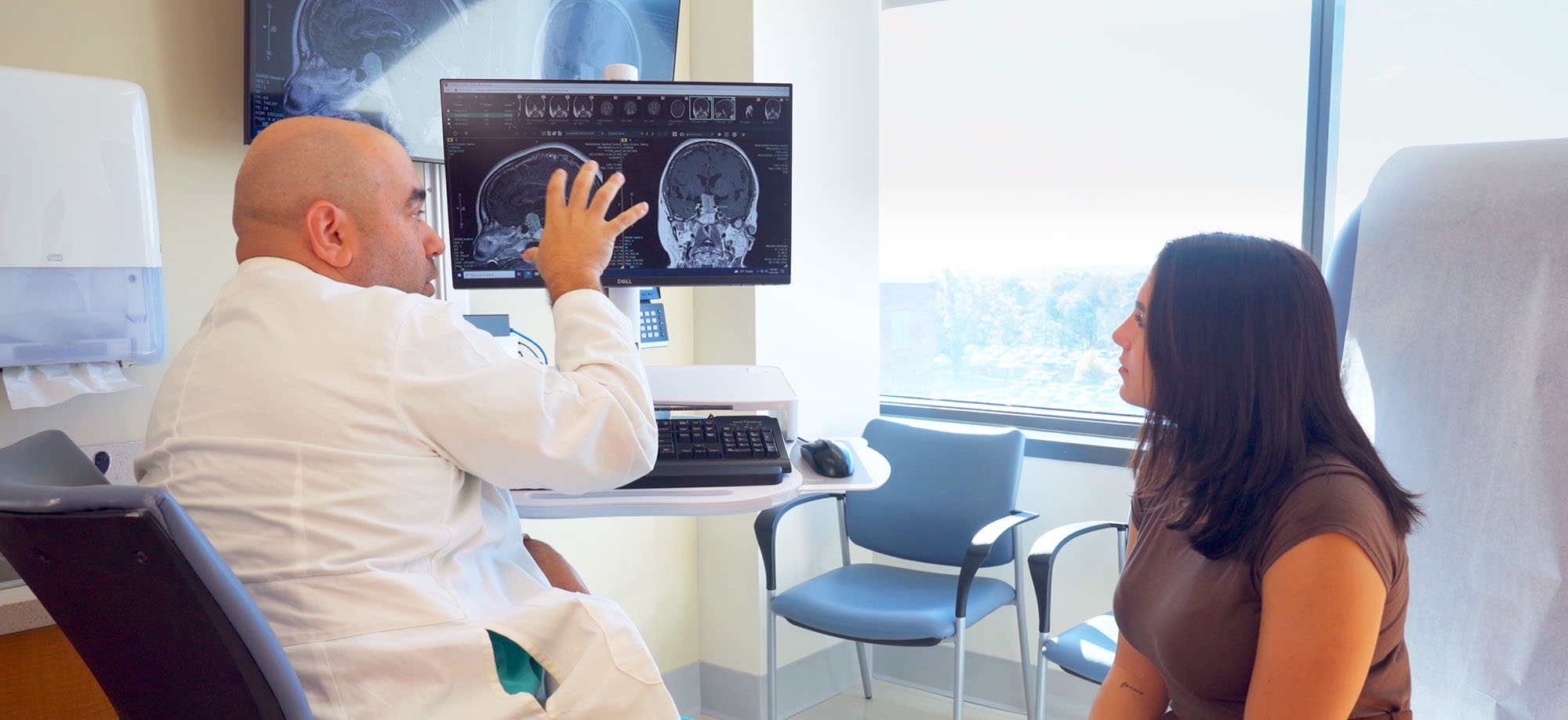
Neuroimmunology Care at WMCHealth
MS involves both the immune system and the nervous system. That is why support from a neuroimmunology specialist can be important for diagnosis, treatment planning, and long-term management. At WMCHealth, our neuroimmunology specialists care for people with MS and related neuroimmune conditions.