

A seizure can temporarily affect how you move, respond, experience sensations, or remain aware. If you have experienced a seizure, an evaluation can help determine what happened and what may have caused it.
At WMCHealth, fellowship-trained epilepsy specialists evaluate seizures in adults and children. We care for patients after a first seizure, recurring seizures, or events that may resemble seizures.
When needed, you can move from initial evaluation to advanced testing and treatment within the same epilepsy program.
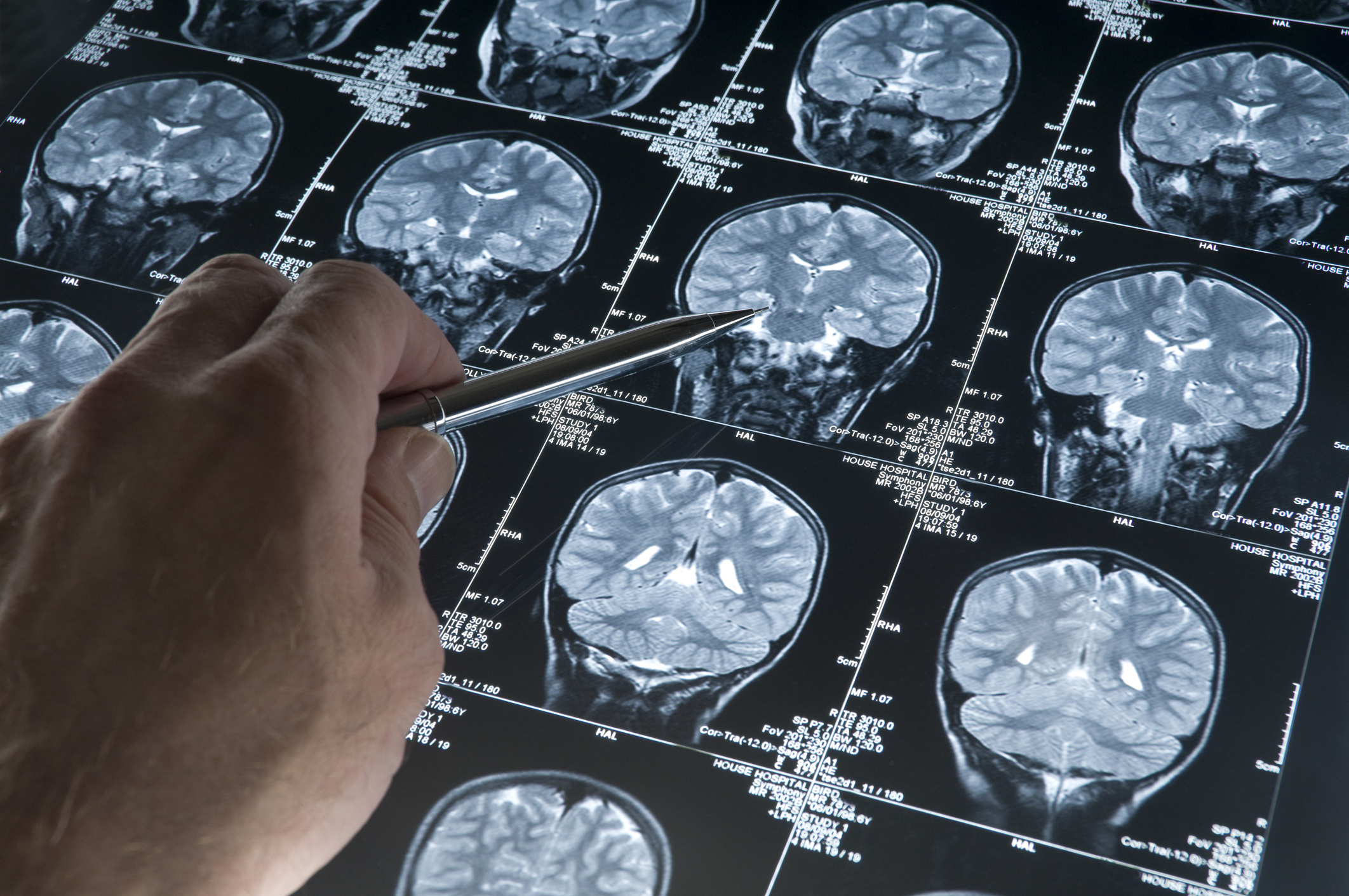
Seizures and Epilepsy: What's the Difference?
A seizure happens when there is a sudden burst of abnormal electrical activity in the brain. Depending on where that activity occurs, a seizure may affect movement, awareness, behavior, sensation, or emotions.
A seizure is an event. Epilepsy is a neurological condition that causes recurring seizures that are not triggered by a temporary medical problem. Not everyone who experiences a seizure has epilepsy.
A seizure lasting more than five minutes is a medical emergency and requires immediate medical attention.
Types of Seizures
Seizures are generally classified into two broad categories, based on location and brain activity.
Focal Seizures
Focal seizures begin with abnormal electrical activity in one area of the brain. You may remain fully aware or experience changes in awareness.
Generalized Seizures
Generalized seizures involve both sides of the brain from the start. Types include:
- Tonic seizures
- Atonic seizures
- Absence seizures
- Myoclonic seizures
- Tonic-clonic seizures
Causes of Seizures
Many different conditions can disrupt the brain’s normal electrical activity.
Possible causes include:
- Genetic conditions
- Brain injury before or after birth
- Stroke
- Traumatic brain injury
- Brain tumors
- Brain infections
- Developmental brain abnormalities
- Autoimmune conditions
- Neurodegenerative diseases
Some people experience seizures because of temporary medical conditions. These may include:
- High fever
- Low blood sugar
- Low sodium
- Severe illness
- Certain medications
- Alcohol withdrawal
- Recreational drug use
- Significant sleep deprivation

Tatyana Gitlevich
Clinical Neurophysiology, Neurology, Epilepsy, Tele-Neurology
Locations:
-
19 Bradhurst Avenue Suite 3850 S
Hawthorne, NY 10532
 WMCHealth Provider

Preeti Puntambekar
Neurology, Epilepsy, Clinical Neurophysiology, Tele-Neurology
Locations:
-
19 Bradhurst Avenue Suite 3850 S
Hawthorne, NY 10532
WMCHealth Provider

Manisha Holmes
Clinical Neurophysiology, Neurology, Epilepsy
Locations:
-
689 Mamaroneck Ave
Mamaroneck, NY 10543
WMCHealth Provider

Sneha Bagchi
Neurology
Locations:
-
19 Baker Avenue Suite 302
Poughkeepsie, NY 12601
WMCHealth Provider

Tracey Milligan
Neurology, Epilepsy, Tele-Neurology
Locations:
-
19 Bradhurst Avenue Suite 3850 S
Hawthorne, NY 10532
WMCHealth Provider

Mill Etienne
Neurology, Epilepsy
Locations:
-
100 Route 59 Suite 101
Suffern, NY 10901
WMCHealth Provider

Nikita Janodia
Neurology
Locations:
-
19 Bradhurst Avenue Suite 3850 S
Hawthorne, NY 10532
WMCHealth Provider

Mayur Chalia
Neurology, Clinical Neurophysiology, Epilepsy
Locations:
-
100 Route 59 Suite 101
Suffern, NY 10901
Diagnosing Seizures
Because several neurologic and medical conditions can resemble seizures, identifying what caused an event is an important first step. At WMCHealth, fellowship-trained epileptologists evaluate your symptoms, medical history, medications, and available descriptions or videos of the event.
A first seizure does not automatically mean you have epilepsy. Your evaluation can help determine the cause, your risk for another seizure, and whether treatment is needed.
Depending on your symptoms and medical history, testing may include:
- Neurological examination
- Routine EEG
- Ambulatory EEG
- Video EEG monitoring
- Epilepsy-protocol MRI
- PET imaging
- Blood tests
- Genetic or other specialized testing, when appropriate
For complex cases, epileptologists may collaborate with neurosurgeons, neuroradiologists, neuropsychologists, and EEG specialists. This multidisciplinary approach helps connect diagnostic findings with the most appropriate next steps.
When You May Need Epilepsy Monitoring
Your neurologist may recommend evaluation in the Epilepsy Monitoring Unit (EMU) when the diagnosis remains uncertain or episodes continue despite treatment. EMU monitoring may also help classify seizures or support evaluation for epilepsy surgery and other advanced therapies.
During an EMU stay, continuous video and EEG monitoring record your typical events and brain activity at the same time. This can help your care team determine whether an event is epileptic, identify seizure type, locate where seizures begin, and guide treatment planning.
Other Events That May Look Like Seizures
Not every seizure-like event is caused by epileptic brain activity. Some events may be related to fainting, heart rhythm changes, migraine, sleep disorders, movement disorders, medication effects, metabolic changes, or other neurologic or medical conditions.
Functional neurologic disorder, including functional or non-epileptic events, can also look like seizures. These events are real and involuntary, but they are not caused by the abnormal electrical brain activity seen in epileptic seizures.
These patient-friendly resources explain non-epileptic events and functional neurologic disorder in more detail:

Smartphone Videos Can Help Your Neurologist
If someone you care for is having a possible seizure, a smartphone video may help their neurologist understand what happened. Only record if the person is already protected from injury and you can do so without delaying first aid or emergency care.
When possible, capture the person’s face and full body, along with a few minutes of recovery afterward. Stop recording if the person needs your immediate help.
Seizure Treatment
Treatment depends on the cause of your seizures, how often they occur, and your overall health. Your care team will work with you to develop a treatment plan that fits your needs and goals.
Treatment may include addressing a temporary medical problem, medication, or additional testing and monitoring. If seizures continue, your care team may evaluate whether epilepsy or another condition is causing them.
If you are diagnosed with epilepsy, WMCHealth can provide ongoing treatment and advanced epilepsy care. Options may include medication management, epilepsy surgery evaluation, neuromodulation, or other specialized therapies when appropriate.
Referring a Patient
WMCHealth coordinates referrals from community neurologists, primary care providers, emergency departments, and pediatric specialists. Healthcare providers can refer patients to WMCHealth for seizure evaluation, electroencephalogram (EEG) testing, or evaluation in our Epilepsy Monitoring Unit (EMU).
Phone: 914.493.3111
Fax: 914.493.1862