

If you develop problems with walking, memory or other everyday functions, the cause may not always be obvious. In some adults, these concerns can be related to hydrocephalus, a buildup of fluid in the brain.
At WMCHealth, our specialists look at the full picture before recommending treatment. We combine advanced brain imaging with assessments of your thinking, movement, and overall health to guide your care.
What Is Hydrocephalus?
Your brain and spinal cord are surrounded by cerebrospinal fluid (CSF). This fluid cushions your brain and moves through spaces called ventricles.
Hydrocephalus develops when CSF cannot flow or be absorbed as it should. The fluid can build up and enlarge the ventricles in your brain.
In adults, hydrocephalus may develop slowly. This can make it harder to recognize, especially when the signs resemble other health conditions.
Types of Hydrocephalus in Adults
Adults can develop different types of hydrocephalus. The type depends partly on how CSF is moving through your brain.
Communicating Hydrocephalus
With communicating hydrocephalus, CSF can circulate through your brain, but your body has trouble absorbing it. We see this pattern more often in older adults.
Normal Pressure Hydrocephalus
Normal pressure hydrocephalus, or NPH, is a form of communicating hydrocephalus that usually develops gradually.
It may cause problems with walking, memory, and bladder control. Because these changes can resemble other conditions, some adults are first evaluated for dementia or movement problems before hydrocephalus is considered.
Obstructive Hydrocephalus
Obstructive hydrocephalus happens when a blockage prevents CSF from moving normally through your brain. This type can affect adults, although it is more common in children.
Symptoms of Hydrocephalus in Adults
Adult hydrocephalus symptoms can develop gradually. You or your family may first notice:
- Memory problems
- Trouble walking
- Loss of bladder control
If these changes are new, persistent, or getting worse, talk with your doctor.
Walking problems may sometimes be mistaken for a back or leg issue, while memory changes may lead to a dementia evaluation. A neurological evaluation can help determine whether hydrocephalus or another condition may be causing these changes.
Diagnosing Hydrocephalus
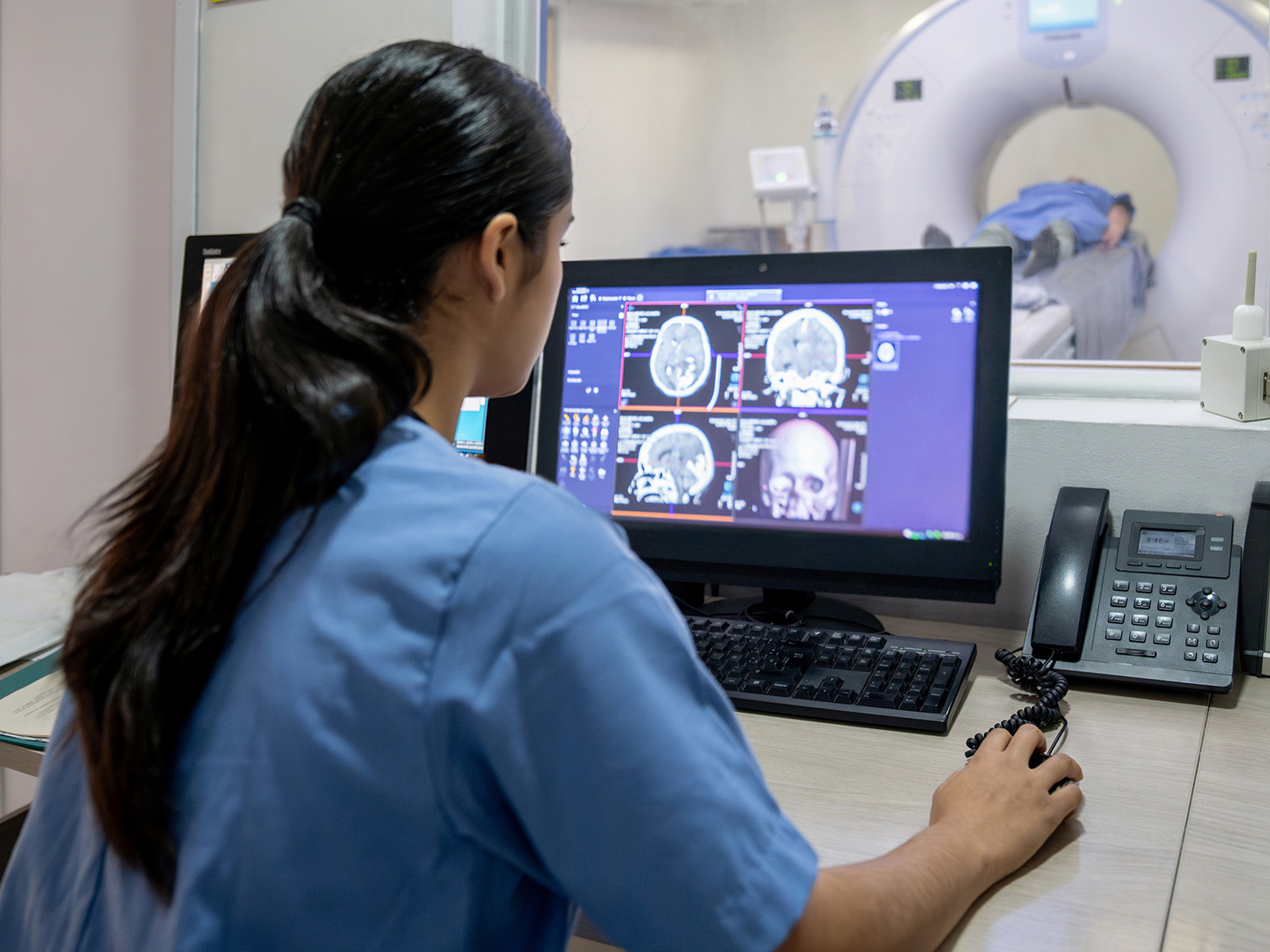
Diagnosing hydrocephalus involves looking at both what appears on brain imaging and how the condition may affect you. At WMCHealth, your care team brings these findings together before deciding whether treatment is needed.
Your evaluation may include:
- MRI or CT imaging: Shows enlarged ventricles and other changes associated with hydrocephalus.
- Neurological evaluation: Looks at your symptoms, movement, and other signs of changes in brain function.
- Ophthalmology evaluation: Checks for eye findings that may be related to increased pressure in the brain.
- Neuropsychological testing: Measures memory, thinking, and other cognitive abilities that can be tracked over time.
- Physical medicine and rehabilitation evaluation: Assesses changes in walking, balance or other movement.
Your specialists review these findings together to determine whether monitoring or treatment is the right next step.
Hydrocephalus Treatment
Your treatment depends on the type of hydrocephalus you have and how it is affecting you. Adults who need treatment are most likely to receive a shunt.
Some adults with obstructive hydrocephalus may qualify for an endoscopic procedure. Your neurosurgeon will recommend an approach based on your individual needs.
Shunt Placement
A shunt redirects excess CSF away from your brain. It includes tubing and a valve that helps control the flow of fluid. The tubing usually carries CSF to your abdomen, where your body can absorb it.
Reducing fluid buildup can help address problems caused by hydrocephalus.
Shunt Revision and Long-Term Care
A shunt can work well for many years, but it is a mechanical device and may need attention over time. If part of the system stops working properly, revision surgery may be needed to repair or replace it.
Your care does not end after surgery. Follow-up visits help your team monitor how you are doing and whether symptoms remain improved.
Neuropsychological testing may also help track memory and thinking over time. If symptoms that improved after treatment begin to return, contact your care team so your shunt can be evaluated.

Hydrocephalus Care for Children
Hydrocephalus can look very different in babies and children. Signs may include rapid head growth, developmental changes, headaches, nausea, or problems with walking.
Treatment may also differ. For eligible children with obstructive hydrocephalus, WMCHealth offers endoscopic third ventriculostomy as an alternative to lifelong shunt placement.