
Message from Program Director
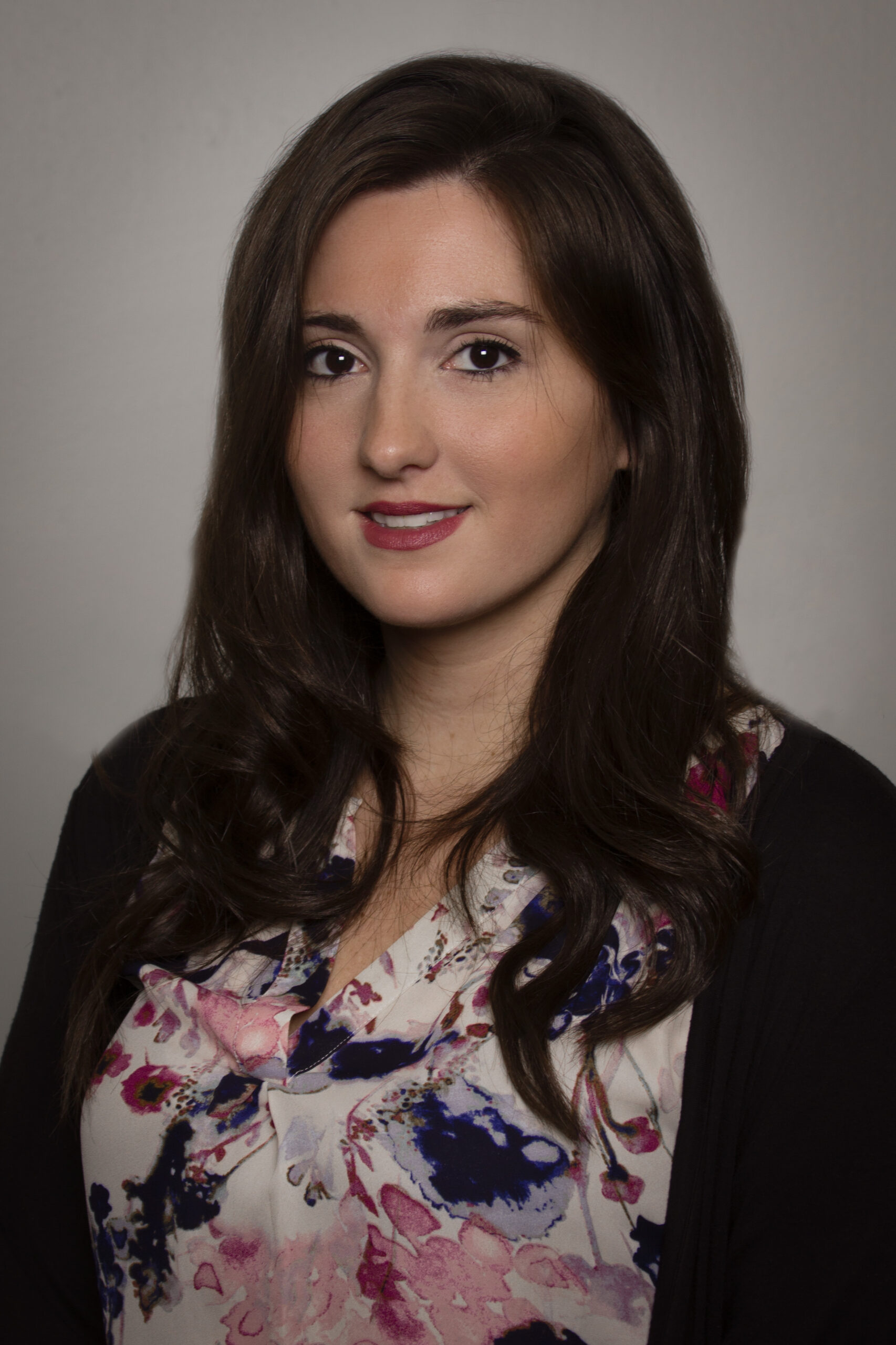
As Program Director, I am often asked what distinguishes our residency program. At its core, our mission is to develop thoughtful, compassionate, and highly skilled physicians who are prepared to meet the complex needs of the patients and communities they will serve. We place tremendous value on cultivating a comprehensive understanding of psychiatry, one that integrates excellence in diagnosis, psychopharmacology, psychotherapy, and interdisciplinary care. We believe that a strong foundation in psychotherapy and evidence-based treatments is essential to becoming an effective psychiatrist, and we are deeply committed to ensuring that our residents graduate with both the knowledge and confidence to provide exceptional care.
Our training environment offers a broad range of clinical and educational experiences across the lifespan, including dedicated opportunities in geriatric psychiatry, child and adolescent psychiatry, inpatient and outpatient settings, consultation-liaison services, interventional, substance, and community-based care. These experiences are designed not only to develop clinical expertise but also to foster professional growth, intellectual curiosity, and clinical judgment. Our greatest measure of success is the quality of the physicians who leave our program. We take great pride in mentoring residents into capable, ethical, and compassionate psychiatrists, and we strive to graduate individuals whom we would be proud to recommend and collaborate with.
Stephanie Cristofano, M.D.
Residency Program Director
Department of Psychiatry
Westchester Medical Center
Program Overview
While on this service, the resident functions as an integral member of the treatment team. Clinical responsibilities include psychiatric intake, evaluation, management and disposition planning of specifically assigned patients under the close supervision of an attending psychiatrist and psychiatry residents. The resident gains skills in psychiatric examination and evaluation, interviewing techniques, psychopharmacology and is offered some beginning experience in psychotherapeutic techniques.
During the inpatient rotation, PGY-1 residents will also receive weekly off-unit supervision from the Program Director and/or members of the voluntary faculty.
We take training residents as educators very seriously. PGY-1 residents supervise and instruct medical students, and receive guidance and support from senior resident staff. We work to provide useful assessment and feedback to guide residents’ professional development, and to create a learning environment that is constructive, exciting, and physically and emotionally safe.
Most inpatient rotations occur at Westchester Medical Center. We are planning to expand our residency training at MidHudson Regional Hospital.
There are many learning opportunities for residents including lectures and weekly Grand Rounds (September – May). In addition, residents have opportunities to be involved with teaching, including supervising third year medical students, giving lectures, and participating in the education for psychiatry residents and medical students.
Program Curriculum
How to Apply
The following are general guidelines for applying to our program. The information provided should answer most of your questions.
Thank you for your interest in the Westchester Medical Center/New York Medical College Psychiatry Residency Training Program. Together, they comprise a major academic medical center. Our program is fully accredited by the Accreditation Council for Graduate Medical Education (ACGME).
For all applicants:
- USMLE or COMLEX Steps 1 and 2 are required.
- High scores on these exams (minimum of 205 for USMLE, 480 for COMLEX), with each part taken only once are strongly preferred. Candidates with lower scores may be considered if the rest of their application is very strong, however, those with failures on more than one step will not be considered.
- A personal statement explaining your interest in psychiatry is very important. Please do not simply reiterate your accomplishments; let us know something about yourself that is not on the application.
- Interviews begin in mid-November and applications should be submitted no later than December 1.
- Interviews are conducted on Wednesdays and Fridays, either 8:30 a.m. – 1 p.m., or 11:30 a.m. – 3:30 p.m., which will be held virtually. Please see aamc.org/eras for information about the application process.
- Four letters of recommendations are preferred, but three are acceptable. Letters must be dated within the current academic year.
- Westchester Medical Center will accept individuals on J1 Visas sponsored by the ECGMG/Intealth.
Recruitment & Applicant Resources
Interview process overview
Our residency program participates in ERAS and begins accepting and reviewing applications in September. Selected applicants are invited to interview and learn more about our training environment, educational opportunities, faculty, and residents. We also offer optional second-look visits for applicants who would like an additional opportunity to explore our program and community. Participation in a second look is entirely voluntary and is not required or considered as part of the ranking process. Our goal is to provide applicants with the information and experience needed to make an informed decision while maintaining a fair and equitable recruitment process for all candidates.
Program-specific differentiators and highlights
Highlights of our program include exposure to a diverse range of clinical settings and patient populations. Residents train across five distinct inpatient units, providing experience with a broad spectrum of psychiatric presentations and levels of acuity. Dedicated rotations in geriatric psychiatry and child and adolescent psychiatry offer specialized training across the lifespan, while our substance use treatment rotation provides comprehensive experience in the evaluation and management of substance use disorders.
In addition, residents have opportunities to participate in interventional psychiatry experiences, including exposure to electroconvulsive therapy (ECT) and ketamine-based treatments. These experiences allow residents to develop familiarity with emerging and evidence-based treatment modalities while gaining a well-rounded understanding of psychiatric practice.
Psychiatry Faculty 2026
Lauren Augello MD Attending Psychiatrist
Stephanie Cristofano-Casella MD Program Director
Brandon Jacobi DO Associate Program Director
Rhea Dornbush MPH, PhD Neuropsychologist, Research Consultant; Professor, New York Medical College
Leslie Citrome MD Clinical Professor, New York Medical College
Catherine Daniels-Brady MD Attending Psychiatrist; Assistant Professor, New York Medical College
Stephen Ferrando MD Department Chair; Professor, New York Medical College
Taj Deen MD Adjunct Assistant Professor, New York Medical College
Richard Gallagher MD Attending Psychiatrist; Professor, New York Medical College
Martha Gamboa MD Attending Psychiatrist; Assistant Professor, New York Medical College
Matthew Garofalo MD Attending Psychiatrist; Assistant Professor, New York Medical College
Krizia Gupiteo DO Attending Psychiatrist; Assistant Professor, New York Medical College
Susan Kemker MD Attending Psychiatrist; Assistant Professor, New York Medical College
Lidia Klepacz MD Attending, Psych ER; Assistant Professor, New York Medical College
Alexander Lerman MD Assistant Professor, New York Medical College
Shreya Nagula MD Attending Psychiatrist
Mahpara Khan MD Assistant Professor, New York Medical College
Mitchell Nobler MD Attending Psychiatrist; Associate Professor, New York Medical College
James OReilly DO Attending Psychiatrist
Grace Pinto Britton MD Program Faculty Member, Program Director of Child & Adolescent Psychiatry Fellowship
Yvette Smolin MD, MEd Director, C/L Psychiatry & Fellowship Director; Assistant Professor, New York Medical College
Joan Youchah MD Director OPD Education; Assistant Professor, New York Medical College
Residents & Fellow Section
We are committed to fostering a supportive, collegial, and inclusive training environment in which residents can thrive both professionally and personally. Our program emphasizes resident well-being as a core component of professional development and provides a variety of wellness initiatives throughout the year, including annual wellness events, social gatherings, and opportunities for residents and faculty to connect outside of clinical responsibilities.
One of our greatest strengths is our close-knit community of trainees, faculty, and staff. Residents benefit from approachable faculty, strong mentorship, and a culture that values collaboration, mutual respect, and open communication. We recognize the challenges of residency training and strive to ensure that residents have access to the resources, guidance, and support they need to maintain well-being, achieve their educational goals, and develop into confident, compassionate psychiatrists.
- Anusha Ansari – New York Institute of Technology College of Osteopathic Medicine
- Adeeb Chowdhury – New York Medical College
- Abhay Dave – Touro College of Osteopathic Medicine
- Ailin Elyasi – Stony Brook University Health Sciences Center School of Medicine
- Sapir Flank – New York Medical College
- Sara Friedman – Stony Brook University Health Sciences Center School of Medicine
- Rab Raza – St. George’s University School of Medicine
- Kira Rynhold – New York Medical College
- Angelika Saribekyan – New York Medical College
- Justin Stein – New York Medical College
- Rose Birnbaum, MD – New York Medical College
- George Fisch, MD – Sackler School of Medicine
- Talya Kapenstein, MD – New York Medical College
- Yanal Matari, MD – New York Medical College
- Maxine Riter, MD – Weill Cornell Medical College
- Miriam Rosen, MD – Stony Brook University School of Medicine
- Aditya Roy, DO – University of New England College of Osteopathic Medicine
- Naftali Stern, MD – New York Medical College
- Zachary Weiss, MD – New York Medical College
- Aitan Magence, MD – New York Medical College
- Muaaz Akram, MBBS – Shalamar Medical & Dental College
- Andrew Flatley, MD – New York Medical College
- Ori Florentin, MD – Stony Brook University Health Sciences Center School of Medicine
- Benjamin Gorlin, DO – New York Institute of Technology College of Osteopathic Medicine
- Harumi Harakawa, MD – New York Medical College
- Rida Khan, MBBS – Alfaisal University College of Medicine
- Ryan Kramer, MD – New York Medical College
- Elizabeth Rubio, DO – Touro College of Osteopathic Medicine
- Gabrielle Weinberg, DO – Touro College of Osteopathic Medicine
- Tara Mehrad, MD – Shiraz University of Medical Sciences, Iran
- Steven Ibrahim, MD – American University of Antigua College of Medicine
- Anastasiya Nestsiarovich, MD – Belarussian State Medical University
- Alborz Omidian, MD – New York Medical College
- Wilson Tan, MD – New York Medical College
- Amanda Timek, MD – New York Medical College
- Daniel Vaithilingam, MD – Ross University School of Medicine
- Fatima Chaudhry, MBBS – Services Institute of Medical Sciences
Past Residents
Alumni of the program have gone on to a wide range of successful careers across diverse practice settings. Graduates have pursued academic appointments, inpatient attending positions, outpatient clinical roles, and private practice ownership. Many alumni have also completed fellowships in subspecialties such as child and adolescent psychiatry, addiction psychiatry, neuropsychiatry, and forensic psychiatry.
Others have chosen careers in community mental health, integrated care settings, and school-based mental health services. Across all pathways, our graduates reflect the program’s emphasis on clinical excellence, professionalism, and adaptability in a variety of psychiatric practice environments.
- Sarah El Halabi, MD
- Samina Mahesar, MBBS
- Kate Morant, MD
- Hadassa Cohen, MD
- Anthony Guccione, DO
- Benedetta Imbastaro, MD
- Sormeh Nourbakhsh, MD
- Surbhi Pathania, MBBS
- Fajar Raza, MBBS
- Coby Basal, MD
- Emily Groenendal, MD
- Matthew Lipow, MD
- Ely Fish, MD
- Nissan Frager, MD
- Andres Estela, MD
- Joseph Elfar, MD
- Wajiha Khan, MD
- Rizwan Amin, MBBS
- Ismail Deniz, MD
- Christopher Tang, MD
- Ahsan Farid, MBBS
- Brandon Jacobi, DO
- Asaf Jacobs, MD
- James O’Reilly, DO
- Corey Saperia, MD
- Anna Volkovinskaia, MD
- Faith Consiglio, MD
- Raafay Deen, DO
- Faiza Farooq, MBBS
- Muhammad Farooqi, MBBS
- Ariel Heller, DO
- Alice Jiang, DO
- Anum Khan, MBBS
- Eric Ross, MD
- Adam Schein, MD
- Michael Trobiano, MD
- Hussain Abdullah, MD
- Argyro Athanasiadi, MD
- Matthew Garofalo, MD
- Parul Kumar, MD
- Vishnupriya Samarendra, MD
- Psychosomatic Medicine, Yale University, New Haven, Connecticut
- Child and Adolescent Psychiatry, Zucker Hillside School of Medicine – Northwell Health, New York
- Child and Adolescent Psychiatry, Zucker Hillside School of Medicine – Northwell Health, New York
- Child and Adolescent Psychiatry, Icahn School of Medicine, Mt. Sinai Hospital, New York
- Child and Adolescent Psychiatry, Stony Brook University, Renaissance School of Medicine, Stony Brook, New York
- Child and Adolescent Psychiatry, Boston’s Children Hospital, Harvard School of Medicine, Boston, Massachusetts
- Child and Adolescent Psychiatry, The Geisel School of Medicine at Dartmouth College, Hanover, New Hampshire
- Addiction Medicine, Stanford University, Stanford, California
- Addiction Psychiatry, Yale-New Haven Hospital, New Haven, Connecticut
- Child and Adolescent Psychiatry, Zucker Hillside School of Medicine – Northwell Health, New York
- Child and Adolescent Psychiatry, Montefiore Hospital for Albert Einstein College of Medicine, Bronx, New York
- Addiction Psychiatry, Icahn School of Medicine at Mount Sinai/St. Luke’s-Roosevelt Hospital Center, New York
- Child and Adolescent Psychiatry, The University of Arizona College of Medicine, Phoenix Children’s Hospital, Arizona
- Psychosomatic Medicine and Psycho-Oncology, Memorial Sloan Kettering Cancer Center, New
- Geriatric Psychiatry, Montefiore Medical Center, Albert Einstein College of Medicine, Bronx, New York
- Child and Adolescent Psychiatry, Westchester Medical Center
- Child and Adolescent Psychiatry, University of Iowa Hospitals and Clinics, Iowa City, Iowa
- Child and Adolescent Psychiatry, Westchester Medical Center
- Psychosomatic Medicine, University of New Mexico School of Medicine, Albuquerque, New Mexico
- Child and Adolescent Psychiatry, Vanderbilt University Medical Center, Nashville, Tennessee
Contact Us
If you have questions, reach out to:
Patty Williamson
Residency Program Administrator
Westchester Medical Center
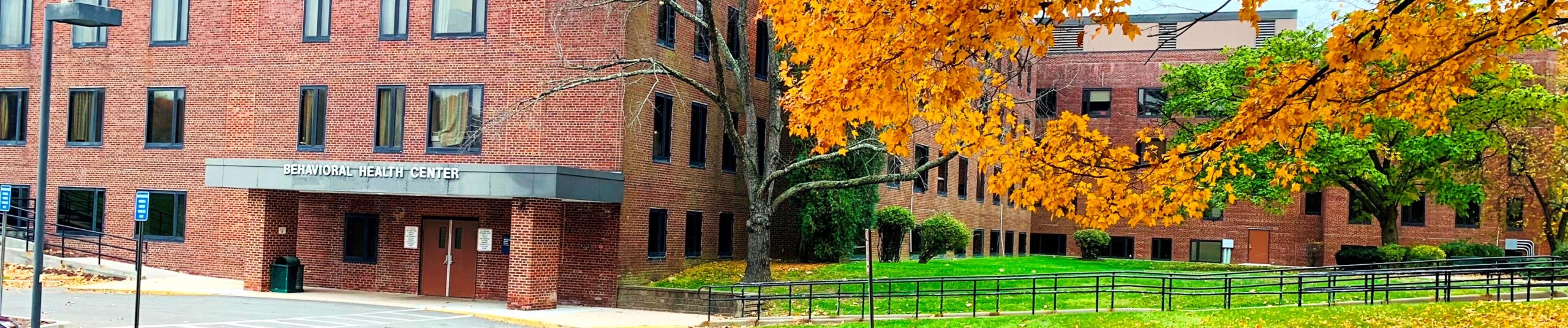
Behavioral Health Center
Phone: 914.493.1939
Our Clinical Locations
Westchester Medical Center
Westchester Medical Center shares its leafy campus with New York Medical College in Valhalla, NY, approximately 20 miles north of New York City. It is a Level 1 Trauma and Burn Center and a major hub for specialized care referrals. Westchester County offers an exceptional setting in which to live, work, and train. Known for its diverse and welcoming communities, the region combines the convenience and cultural richness of the greater New York metropolitan area with the comfort, accessibility, and quality of life often associated with suburban living. Residents enjoy a wide range of housing options, vibrant downtown districts, diverse dining experiences, arts and cultural institutions, parks, and recreational opportunities.
Westchester’s rich cultural diversity, strong community partnerships, and broad patient population create an environment that enhances both professional development and personal growth. For many residents, the area offers the ideal combination of outstanding clinical training opportunities and a rewarding place to call home during residency.
Westchester Medical Center has a pediatric hospital (Maria Fareri Children’s Hospital) with eight dedicated pediatric operating rooms as well as many other non-operating room anesthetizing sites, including MRI, radiation and nuclear medicine, and endoscopy. The Ambulatory Care Pavilion, which opened in July 2019, added many anesthetizing locations, both OR and Non-OR.
Construction is underway on the 128-bed state-of-the-art Critical Care Tower, a $220 million project that when completed will span 162,000 square feet over five floors. Our caseload includes a full profile of cardiac, interventional pulmonary and thoracic, complex orthopedic, neurosurgical and solid organ transplant interventions, to name the busiest services. We have a large heart failure and ECMO referral program. Trauma orthopedics and surgery provide our residents a great variety of “open” cases. Residents participate in minimally invasive and robotic interventions in gynecologic-oncology, urology, colorectal, endocrine and thoracic surgery, as well as complex cardiac and neurological endovascular interventions, both pediatric and adult. The Acute and Chronic Pain Management care rotations cover both the pediatric and adult inpatients and outpatients, including complex consultations for patients in the Burn ICU.