

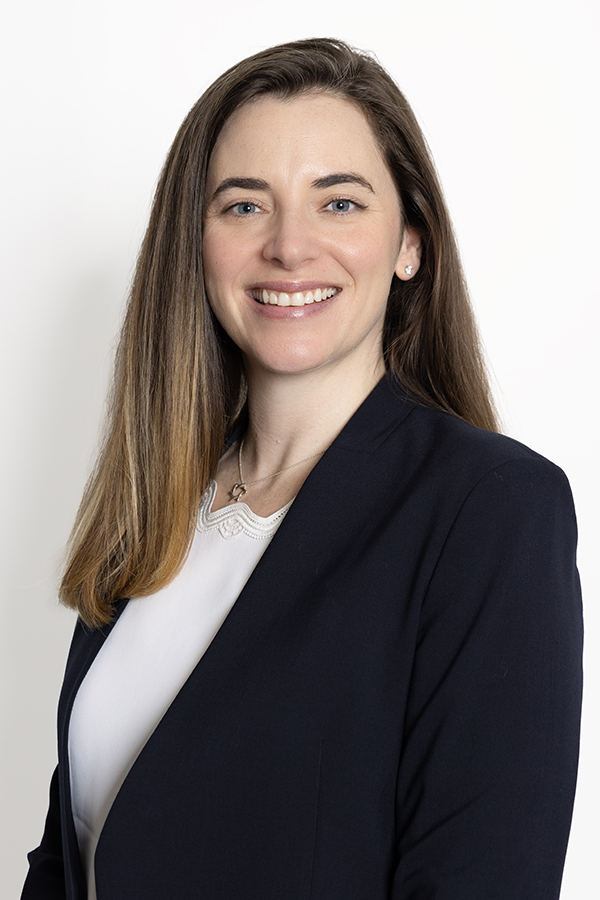
Message from Program Director
Thank you for choosing to explore the Pediatric Critical Care Medicine Fellowship Program at Maria Fareri Children’s Hospital (MFCH) at Westchester Medical Center (WMC). We hope that the information on this site is helpful and that you will consider our program in your application process.
The Pediatric Critical Care Medicine Fellowship is a three-year ACGME-accredited training program designed for physicians passionate about delivering exceptional bedside care to critically ill children and their families. Our mission is to train outstanding pediatric intensivists who are confident, skilled, and compassionate clinicians — physicians who are ready to lead at the bedside from day one of independent practice.
Our fellows will develop deep expertise in the physiology and management of both common and rare critical illnesses, mastery of essential procedures, and the clinical judgment required to navigate the most complex cases in pediatric medicine. We place equal emphasis on communication — with patients, families, and every member of the interdisciplinary care team — because we believe that excellent critical care is inseparable from excellent human connection.
For fellows with an interest in medical education, we offer meaningful opportunities to develop as clinical teachers, working alongside attendings and supervising residents and students in a rich teaching environment.
An exciting area of growth in our program is our expanding cardiac surgical program and dedicated Cardiovascular Intensive Care Unit (CVICU). Fellows benefit from robust exposure to the full spectrum of congenital and acquired heart disease, perioperative cardiac surgical care, and advanced hemodynamic management. We are actively investing in CVICU education, ensuring our fellows develop the expertise and confidence to care for some of the most complex patients in pediatric critical care.
Maria Fareri Children’s Hospital at Westchester Medical Center is a high-volume, high-acuity, tertiary care facility serving the tri-state area and beyond. We are proud to be home to the only Level 1 Pediatric Trauma Center and Pediatric Burn Center in the Hudson Valley, alongside the full breadth of pediatric medical and surgical subspecialties — allowing us to meet the needs of every child in the communities we serve.
Erin Rescoe, MD
Program Director, Pediatric Critical Care Medicine Fellowship
Attending Physician, Pediatric Critical Care Medicine, Maria Fareri Children’s Hospital at Westchester Medical Center
Assistant Professor, Pediatrics, New York Medical College
Program Overview
Our Pediatric Critical Care Medicine fellows’ primary learning environment provides access to active medical and surgical subspecialty services, including the Hudson Valley’s only Level 1 Trauma Center, as well as an active pediatric cardiothoracic surgery service which provides our fellows a diverse education in post-operative management. In addition, the fellow will have an augmented pediatric CVICU experience in a dedicated Cardiac Unit at Mount Sinai Kravis Children’s Hospital for a deeper experience in cardiac critical care. Fellows here will earn graduated autonomy according to their unique skills and will be supported twenty-four hours a day by in-house PCCM attendings.
Our PICU is an 18-bed mixed medical and surgical unit and provides care for the sickest and most acute patients. We utilize all advanced modes of ventilation including HFOV. We are a pediatric ECMO center that provides both veno-venous and veno-arterial ECMO for medical and surgical patients. We also support all modes of dialysis including CRRT.
Our fellows will work closely with our strong subspecialty teams, complemented by interaction with other fellowship programs in Pediatric Hematology/Oncology, Pediatric Pulmonary, Pediatric Gastroenterology and Pediatric Hospital Medicine, which provide learning and research opportunities in a wide range of subjects. In addition, the PCCM faculty are actively engaged in teaching and mentoring residents and are looking forward to helping develop the next generation of PCCM physicians.
The Pediatric Critical Care Medicine Fellowship Program wills include three to four months of service time each year. In years two and three of fellowship, trainees will get additional experience in the CVICU at Kravis Children’s Hospital. Fellows will also take in-house calls covering the PICU at Maria Fareri Children’s Hospital.
Curriculum Structure & Rotation Schedules
Our three-year curriculum is deliberately structured to balance clinical immersion with fellow wellbeing, providing progressive responsibility while protecting against burnout. Each fellow’s schedule is individualized to their stage of training while ensuring all ACGME requirements are met across the three years.
PICU Service
Fellows complete four months of PICU service per year, distributed across eight two-week blocks rather than consolidated monthly rotations. This structure maintains continuity of care and clinical engagement while providing natural recovery intervals that support sustainable, long-term learning.
Procedures
Two dedicated months per year are set aside exclusively for procedural training, separate from clinical service time. This ensures fellows can focus on achieving competency and confidence across the full range of critical care procedures without the competing demands of service responsibilities.
Anesthesia
In the first year of fellowship, fellows complete a two-week anesthesia rotation, providing foundational experience in airway management and perioperative care that directly supports PICU practice.
Cardiovascular Intensive Care (CICU)
Fellows complete one month at the Cardiovascular Intensive Care Unit at Mount Sinai Kravis Children’s Hospital in years two and three. As an off-site rotation at one of the country’s leading pediatric cardiac centers, this experience provides immersive, dedicated exposure to the management of congenital and acquired heart disease and complex post-operative cardiac surgical patients — a depth of experience not available in most PCCM programs.
Flexible Elective Time
A meaningful portion of each year is reserved for individualized exploration. Fellows with interest in specific areas of critical care — including the Burn ICU and adult trauma — have the flexibility to pursue dedicated experiences that align with their clinical interests and career goals. We believe that a fellow who is engaged and intellectually curious becomes a better clinician, and our schedule is built to support that.
Call Structure
Call responsibilities are graduated across the three years of training, reflecting each fellow’s advancing skills and growing independence. First-year fellows average call approximately every fourth night, providing intensive early exposure to independent decision-making with attending support. By the second year, call frequency decreases to approximately every fifth night, and fellows in their third year average every fifth to sixth night — reflecting their readiness for a greater degree of autonomy while transitioning toward independent practice.
Training Environment
Our Pediatric Critical Care Medicine fellows train in a rich, high-acuity environment with access to a full range of active medical and surgical subspecialty services. Our unit is anchored by the Hudson Valley’s only Level 1 Pediatric Trauma Center and a growing pediatric cardiothoracic surgery program, giving fellows exceptional breadth in both acute trauma and complex post-operative management. Fellows further deepen their cardiac critical care expertise through a dedicated CVICU rotation at Mount Sinai Kravis Children’s Hospital, one of the premier pediatric cardiac centers in the country.
Our 18-bed mixed medical-surgical PICU cares for the region’s sickest and most complex patients. Fellows gain hands-on experience with all advanced modes of ventilation including HFOV, both veno-venous and veno-arterial ECMO, and all modalities of renal replacement therapy including CRRT. Graduated autonomy is a cornerstone of our training philosophy — fellows advance in responsibility according to their individual skills and readiness, supported at all times by in-house PCCM attendings.
Fellows work closely with exceptional subspecialty teams across the institution and benefit from collegial interaction with co-located fellowship programs in Pediatric Hematology/Oncology, Pediatric Pulmonology, Pediatric Gastroenterology, and Pediatric Hospital Medicine. For fellows interested in medical education, our faculty are deeply committed to teaching and mentorship, and fellows will have ample opportunity to develop as clinical educators working with residents and students throughout their training.
How to Apply
Faculty

Alexandra Linder
Pediatric Cardiology
Locations:
-
19 Bradhurst Avenue Suite 1400S
Hawthorne, NY 10532
Erin Rescoe
Pediatric Critical Care Medicine, Critical Care Medicine
Locations:
-
19 Skyline Drive Division of General Pediatrics
Hawthorne, NY 10532


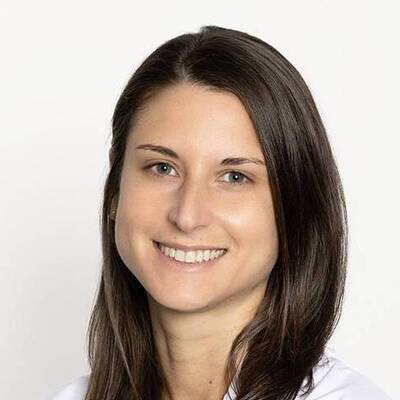
Rebecca Jacobowitz
Pediatric Critical Care Medicine
Locations:
-
Pediatric Critical Care Division- Maria Fareri Children’s Hospital 100 Woods Road
Valhalla, NY 10595

Matthew Kapklein
Pediatric Critical Care Medicine, Pediatric Emergency Medicine
Locations:
-
19 Sunshine Cottage Road
Valhalla, NY 10595

Current Fellows
- Sarah Andrea, MD – Drexel University College of Medicine
-
Nika Khardoush, MD – Islamic Azad University, Tehran Faculty of Medicine; Pediatrics Residency: New York Medical College at Metropolitan Hospital (NYCHHC)
-
Cameron Chow, MD – St. George’s University School of Medicine; Pediatrics Residency: SUNY Downstate Health Sciences University
Program Alumni
- Jaimee Bogusz Shand, DO – University of New England College of Osteopathic Medicine; Pediatrics Residency: St Joseph’s University Medical Center
Our Clinical Locations
Westchester Medical Center
Westchester Medical Center shares its leafy campus with New York Medical College in Valhalla, NY, approximately 20 miles north of New York City. It is a Level 1 Trauma and Burn Center and a major hub for specialized care referrals. Here, we take care of patients from a very large catchment area stretching from the northern border of New York City to the Catskill Mountains.
WMC has a pediatric hospital (Maria Fareri Children’s Hospital) with eight dedicated pediatric operating rooms as well as many other non-operating room anesthetizing sites, including MRI, radiation and nuclear medicine, and endoscopy. The Ambulatory Care Pavilion, which opened in July 2019, added many anesthetizing locations, both OR and Non-OR.
Construction is underway on the 128-bed state-of-the-art WMC Critical Care Tower, a $220 million project that when completed will span 162,000 square feet over five floors. Our caseload includes a full profile of cardiac, interventional pulmonary and thoracic, complex orthopedic, neurosurgical and solid organ transplant interventions, to name the busiest services. We have a large heart failure and ECMO referral program. Trauma orthopedics and surgery provide our residents a great variety of “open” cases. Residents participate in minimally invasive and robotic interventions in gynecologic-oncology, urology, colorectal, endocrine and thoracic surgery, as well as complex cardiac and neurological endovascular interventions, both pediatric and adult. The Acute and Chronic Pain Management care rotations cover both the pediatric and adult inpatients and outpatients, including complex consultations for patients in the Burn ICU.