

Message from Program Director
Welcome, and thank you for your interest in the Neurology Residency Program at WMCHealth the major teaching hospital of New York Medical College.
Choosing a residency is about more than finding excellent clinical training. It is about finding a place where you will be challenged, supported, and inspired by the people around you. It is about finding a community where you can grow into the neurologist—and person—you hope to become.
Our residency program has trained neurologists for more than sixty years. While our history is an important part of who we are, we are equally focused on the future. Neurology is advancing at an extraordinary pace, and there has never been a more exciting time to enter the field. From stroke and neurocritical care to epilepsy, neuroimmunology, movement disorders, neuromuscular disease, and brain health, our residents are training at the forefront of modern neuroscience.
Residents gain experience across one of the largest academic health systems in New York. Our patients come from diverse communities throughout the Hudson Valley and beyond, providing exposure to the full spectrum of neurologic disease. We care for patients with common neurologic conditions as well as some of the most complex cases in the region. This breadth of clinical experience prepares our graduates for success in fellowship, academic medicine, community practice, and leadership roles throughout the profession.
What I am most proud of, however, is our culture. We have worked intentionally to build a program where residents know they are valued, where faculty are approachable and invested in their success, and where collaboration matters more than hierarchy. We celebrate each other’s accomplishments, support one another through challenges, and recognize that learning happens best in an environment where people feel respected, connected, and supported.
We are strengthened by the diversity of our residents, faculty, staff, and patients. We welcome individuals from all backgrounds, experiences, and perspectives and believe that an inclusive learning environment makes us better physicians, educators, and colleagues. We are committed to fostering a community where everyone feels a sense of belonging and has the opportunity to thrive.
Service to others is also central to who we are. Our residents care deeply about the communities they serve and participate in outreach, advocacy, education, and community engagement throughout their training. We believe that excellence in neurology extends beyond the walls of the hospital and includes a commitment to improving the health and well-being of the communities entrusted to our care.
Our residents are curious, hardworking, and deeply committed to their patients. They are also teachers, researchers, advocates, mentors, musicians, athletes, parents, artists, and friends. We believe that who you are outside of medicine matters just as much as who you become within it.
Since joining NYMC and WMCHealth in 2021, it has been a privilege to work alongside residents, faculty, and staff who care deeply about education and about one another. Together, we continue to strengthen our program, expand opportunities for our trainees, and create new ways to prepare neurologists for a rapidly changing future.
Thank you for considering our program. I encourage you to explore our website, learn more about our residents and faculty, and reach out with any questions. We look forward to getting to know you and learning about your goals, interests, and aspirations.
Warm regards,
Tracey Milligan, MD, MS, FAAN
Program Director
Chair of the Department of Neurology
Message from Associate Program Director
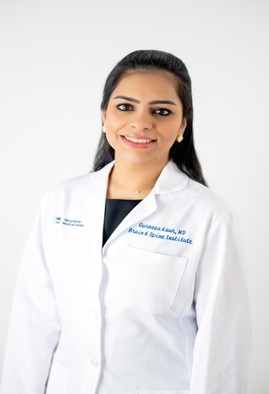
I came to Westchester Medical Center as a neuroendovascular fellow, and I never left. I stayed on as faculty for one reason above all others: the patients. The diversity of what we see here, and the trust those patients place in us, is something I have not found anywhere else, and it is why I chose to build my career in this department. When someone finishes training at a program and then decides to stay, it usually tells you something honest about the place. For me, it did.
That diversity is not an abstraction. We are a tertiary and quaternary referral center for more than 2.4 million people across the Hudson Valley, as well as a Level I trauma center, so you will care for a breadth and acuity of neurologic disease that few programs our size can offer. Stroke codes, status epilepticus, neuromuscular crises, the sickest patients in the region: they come to us. That is a real responsibility, and it is also the fastest way to become an excellent clinician. High-acuity medicine does not reward shortcuts; it rewards clear thinking under pressure, and you are never left to figure it out alone. Faculty are right beside you, supervising and teaching, as you learn to carry it.
Neurology is, at its core, a teaching specialty. Every good neurologist is also a teacher: of patients, of families, of one another, and of the residents who come next. We take that to heart. Our Wednesday Academic Half Day protects four hours each week for you to step off the wards and think, with case conferences, chalk talks, simulation in our clinical skills center, neuroradiology, and Grand Rounds, all built around how neurology is actually practiced rather than how it is memorized for an exam. You will be taught at the bedside every day, and sooner than you expect, you will be the one teaching. Watching a resident grow from a first, tentative localization into the senior confidently running a service is the most rewarding part of my job.
You will never carry it alone. What I love most about this place is the way our teams work, with seniors and juniors shoulder to shoulder, fellows and attendings reachable at any hour, and a culture where asking for help marks a good physician rather than a struggling one. Our hardest cases are managed hand in hand with our colleagues in neurosurgery, the Neuro ICU, neuroradiology, and the emergency department, and every member of the team has a voice. Your mentorship pod will know you as a person, your chiefs will look out for you, and the people around you will celebrate your good days and steady you through the hard ones. None of that happened by accident. We built it on purpose.
I am also fortunate not to do this work alone. Two wonderful colleagues serve alongside me as Associate Program Directors and shape this program in countless ways: Dr. Sarah Parauda, who guides your inpatient training, and Dr. Jin Li, who leads your outpatient and continuity experience. And none of us could do any of it without Nadia Tilden-Dassler, our exceptional program coordinator, who keeps everything running and whom our residents come to rely on from their very first day.
If you are someone who wants to be challenged, supported, and genuinely known while you grow into the neurologist you are meant to be, we would love to meet you!
Warm regards,
Gurmeen Kaur, MD
Associate Program Director
Department of Neurology
Program Overview
The goal of the program is to provide high-quality, comprehensive training in clinical neurology with a strong foundation in the basic neurosciences. The four-year program is structured to provide progressive education in clinical neuroscience, with increasing levels of patient care responsibility throughout training.
Program Curriculum
Call Schedule Structure
Research, Scholarly Activity & Mentorship
How to Apply
In alignment with the American Academy of Neurology (AAN), our national professional society, and to ensure a uniform interview process that is equitable to all applicants.
Application Process
- All applications must be submitted through ERAS (Electronic Residency Application Service)
- ERAS opens in mid-September; applications are reviewed on a rolling basis beginning in late September
- Interview invitations are sent in late October through November
- Interviews are conducted on Wednesdays in November, December, and January
- All residents must register with ERAS and NRMP (National Resident Matching Program)
Interview Format
- Interviews are conducted virtually, in alignment with AAN national recommendations to ensure an equitable process for all applicants
- Each interview day includes meetings with program leadership, faculty, and current residents
- Applicants are encouraged to reach out to current residents with questions about daily life, training, and culture
Selection Criteria
- Recent Medical school graduates
- Strong commitment to neurology as evidenced by personal statement, background, and scholarly activity
- 3 Letters of recommendation
- Communication skills and professionalism
- Research, teaching, and QI contributions are valued but not required
Position Available
- Eight(8) categorical PGY-1 positions per year through the NRMP Main Residency Match
Visa Sponsorship
- Our institution sponsors J-1 visa status through the ECFMG Exchange Visitor Sponsorship Program
- We do not sponsor H-1B visas at this time
Frequently Asked Questions
Q: Do you accept international medical graduates? Yes. Our program has a long tradition of welcoming IMGs and currently has residents from over a dozen countries.
Q: Is there a Step score cutoff? We do not publish a hard cutoff. We take a holistic approach to application review.
Q: Can I do an away rotation at WMC? We do not offer formal visiting student rotations, but applicants are welcome to reach out to inquire about research opportunities.
Q: What subspecialties are residents most commonly pursuing for fellowship? Recent graduates have pursued vascular neurology, neurocritical care, epilepsy, headache, movement disorders, stroke, and clinical neurophysiology.
What makes WMC Neurology distinctive?
Here is what sets us apart:
- Unmatched clinical volume and complexity- as a tertiary/quaternary referral center for 2.4M+ patients across the Hudson Valley, residents see a breadth and acuity of neurological disease rarely available at programs of our size
- Maria Fareri Children’s Hospital – one of only a handful of programs where adult neurology residents rotate at a Level 4 pediatric epilepsy center and quaternary children’s hospital
- International and diverse residency community -residents from across the world bring perspective and cultural depth that enriches both patient care and resident relationships
- Resident-driven culture- chiefs and residents shape the academic curriculum, wellness programming, QI initiatives, and elective offerings
- Research-active faculty with access to funding, publications, and conference travel support – recent residents have published in top neurology journals and presented at national meetings
- Strong fellowship placement – graduates consistently match into highly competitive programs
- New York City at your doorstep – the cultural, intellectual, and lifestyle advantages of one of the world’s great cities, without paying NYC rent
- Growing program momentum – under the leadership of Dr. Tracey Milligan (Chair and Program Director since 2021), the department is actively expanding subspecialty faculty, research infrastructure, and training opportunities
- Warm, collegial atmosphere – residents know each other well, and everyone invests in each other’s success
Neurology Faculty
- Tracey Milligan MD, MS Program Director & Chair Department of Neurology
- Brij Ahluwalia MD Professor
- Venkat Ramani MD Epilepsy Attending/Ombudsman
- Jin Li MD, PhD Director Neuromuscular Section/Associate Residency Program Director
- Robert Fekete MD Faculty/Attending & Clerkship Director
- Hasit Mehta MD Chief Neuroradiology
- George Kleinman MD Chief Neuropathology
- Fawaz Al-Mufti MD Director of Neuroendovascular Surgery and Neurology Research
- Katherine Amodeo MD Faculty attending
- Sneha Bagchi MD Faculty Attending Epilepsy
- Andrew Bauerschmidt MD Faculty/Attending
- Carolin Dohle MD Faculty/Attending
- Mill Etienne MD Vice Chair for Education & Engagement
- Alec Friedman MD Faculty Attending Neuroimmunology
- Stephanie Gandelman MD Faculty Attending MS/Neuroimmunology/Resident Continuity Clinic Director
- Tatyana Gitlevich MD Faculty Attending Epilepsy
- Rachel Hirschberger MD, MPH Program Director Child Neurology
- Manisha Holmes MD Section Chief of Epilepsy
- Adam Karp MD Faculty attending Stroke
- Gurmeen Kaur MD Core Faculty Attending/Associate Program Director
- Dennis Keselman MD Faculty Attending Pediatric Neurology
- Tomoko Kitago MD Faculty/Attending Stroke
- Feliks Koyfman MD Faculty Attending Stroke
- Christeena Kurian MD Telestroke Attending
- Stephan Mayer MD Director of Neurocritical Care and Emergency Neurological Services
- Sarah Parauda MD Stroke Faculty Attending/ Neurohospitalist Attending/Director of Mentorship/Associate Program Director
- Preeti Puntambekar MD Faculty Attending Epilepsy
- Daniel Schwartz MD Faculty Attending Neuro-Ophthalmology
- Fatima Traore MD Faculty attending
- Synphen Wu MD Faculty Attending/Neuro-oncologist
- Neisha Patel MD Telestroke Attending
- Jon Rosenberg MD Neurocritical Care
- Erica Bernardini PA Physician Assistant
- Cathy Cawley RN Nurse Practitioner
- Divya Viswanathan PA Physician Assistant Stroke Program
- Ji Chong MD Stroke Director
- Haythum Tayeb MD Faculty
- Christina Wong MD Neuropsychology
- Alec Friedman MD Faculty Attending Neuroimmunology
- Gifty Adjei-Dugbatey PA Physician Assistant
- Nikita Janodia PA Physician Assistant
- Steven Wolf MD Chair Child Neurology
- Philip Overby MD Faculty/Attending Child Neurology
- Rachel Hirschberger MD Faculty/Attending Child Neurology
- Ronald Jacobson MD Faculty/Attending Child Neurology
- Dennis Keselman MD Faculty/Attending Child Neurology
- Sreya Radhakrishna MD Faculty/Attending Child Neurology
- Cristina Falo MD Research Director
- David Ober MD Attending Faculty, Good Sam Hospital
- Vinod Ravikumar MD Attending Faculty, Good Sam Hospital
- Fatima Traore MD Attending Faculty, Good Sam Hospital
- Chalia Mayur MD Attending Faculty, Good Sam Hospital
- Pankaja Ramakrishhanar MD Attending Faculty Mid-Hudson Regional
- Vikas Patel MD Attending Faculty Mid Hudson Regional
- Fabio Danisi MD Chair Neurology Northern Region, Mid-Hudson regional
Current Residents
- Natasha Gupta, MD Natasha grew up in Louisville, Kentucky. She earned her undergraduate degree in Neuroscience from the University of Pennsylvania before completing her medical degree at the University of Cincinnati College of Medicine. Her research has focused on stroke rehabilitation and prognostication, as well as the molecular mechanisms underlying glioblastoma growth. Natasha’s clinical interests include neuroimaging, neurophysiology, and procedural aspects of neurology. Outside of medicine, she enjoys experimenting with new recipes, traveling with family, spending time outdoors on scenic hikes, watching romantic comedies, and discovering new restaurants with her husband.
- Eva Gluzman, MD Eva was born and raised in New York City, leaving briefly to attend the seven-year BS/MD program at The College of New Jersey and Rutgers New Jersey Medical School, where she was inducted into the Alpha Omega Alpha Honor Society and discovered a passion for neurology. Her current interests include headache and pain disorders, especially in the context of global neurology and expanding access to neurological care. In her free time, Eva enjoys playing tennis, fishing, cooking, reading, and spending time with family.
- Kourtney Kelly, MD grew up in Ottawa, Canada, before moving to New York City after high school to pursue a career in the arts. During that time, she charted on the US Billboard Dance Charts, participated in New York and Los Angeles Fashion Weeks, and appeared in various acting projects. She later shifted her focus to medicine, attending Pace University, where she graduated with a Bachelor of Science in Biology, with minors in Neuroscience and Organic Chemistry, as well as a master’s degree in Biochemistry and Molecular Biology. Kourtney also served as an adjunct faculty member, teaching Biology 101 and 102 laboratory courses, where she discovered her passion for medical education. Her research interests during this time focused on tuberculosis vaccine development. Kourtney went on to attend New York Medical College, where she discovered her passion for neurology during her rotation at the Bronx VA. She is excited to begin the next four years of residency and explore which area of neurology she will ultimately pursue. Outside of medicine, Kourtney enjoys golfing with her husband and spending time with their two beloved dogs, Poochie and Rocko.
- Austin Li, MD Austin is a native of Westchester, New York. He studied physics and computer science at Cornell University before deciding on a career in medicine. He graduated from New York Medical College in 2026. Austin’s current research interests include vascular, critical care, and interventional neurology. In his free time, Austin likes to play video games and rock climb.
- Apoorva Vedula, MD Apoorva spent her childhood in New Zealand, before moving to Hyderabad, India, where she graduated from Osmania Medical College. Her clinical and research interests lie in seizure localization, neurostimulation and critical care EEG. She is also passionate about medical education. During her free time, Apoorva enjoys writing, hitting the gym, yoga, dance and travel.
- Nathan Shlobin, MD Nathan was born and raised in the suburbs of Chicago. He received his BA in Biological Sciences and Psychology and MD from Northwestern University as part of the Honors Program in Medical Education as well as an MBA. He completed two years of neurosurgery residency at Columbia University before transitioning to neurology. Nathan’s clinical interests include neurocritical care, stroke, and epilepsy. Topically, he is interested in global health, health policy, and bioethics. He enjoys spending time with his family and friends, playing hockey and soccer, traveling, listening to a wide variety of music, and cooking.
- Gelanys Castro Tejada, MD Gelanys was born and raised in the Dominican Republic. She graduated from Pontificia Universidad Católica Madre y Maestra and later worked in Alzheimer’s and stroke research at her alma mater. She then served as a Research Physician and Brain Donation Coordinator at Columbia University. Her research interests and publications focus on brain health, aging, and cognitive neurology, with a particular focus on Alzheimer’s disease. Gelanys is also passionate about medical education and resident mentorship. During her free time Gelanys enjoys reading, dancing, playing soccer and swimming, spending time outdoors, and playing with her kids.
- Danielle Kei Pua, MD Danielle grew up in sunny Manila, Philippines. She earned her medical degree from St. Luke’s College of Medicine. Prior to residency, Dani was a postdoctoral researcher in multiple sclerosis and neuroimmunology at Brigham and Women’s Hospital. Her research projects focused on factors affecting relapses and factors exacerbating residual symptoms. She has a particular academic interest in autoimmune neurology and neuromuscular disease. Her long-term goal is to become an excellent academic clinician. Outside of medicine, Dani enjoys going on long walks and building Lego without instructions.
- Ahmed Madkoor, MD Ahmed Madkoor grew up in Egypt, where his curiosity about the brain and how it shapes everything we are led him to medicine. He earned his medical degree (MBBCh) before making the move to the United States, a decision driven by a genuine hunger to learn and push himself further. Along the way, he had the opportunity to do research at Mayo Clinic and Weill Cornell – experiences that solidified his love for stroke and cerebrovascular disease and showed him just how much good science can change patient outcomes. His work has been published in journals including Circulation Research, Epilepsia, and Neurological Sciences, covering topics ranging from acute stroke thrombolysis to AI in brain injury rehabilitation. He is currently a second-year neurology resident at Westchester Medical Center in Valhalla, New York, where stroke is where his heart is clinically – though he is someone who keeps his curiosity wide open and his options for the future broader still. When he is not in the hospital, Ahmed is most likely on a soccer field, at the dinner table with his family, or hunting down a restaurant that does something he has never tried before. He is a proud husband and father, and the people he loves are a big part of what drives him to show up every day. He believes the best doctors are the ones who stay curious – about medicine, about people, and about the world around them.
- Raphael Besborodco, MD Raphael graduated from Universidade Santo Amaro (UNISA) in São Paulo, Brazil. He worked for two years as a researcher at NYU Langone Health, focusing on traumatic brain injury (TBI) rehabilitation, before joining Westchester Medical Center. His research interests include brain tumors, and he plans to pursue a fellowship in Neuro-Oncology after residency.
- Omar Abdelkader, MD University: Faculty of Medicine, Suez Canal University, Egypt Omar Abdelkader has a strong passion for research, medical education, and global health. He completed his medical degree in Egypt, where he also worked as a Medical Educationist at his faculty for one year. He then moved to the U.S. to complete a Stroke Post-doctoral Research Fellowship at the Mayo Clinic. During medical school, Omar co-founded Ex Egypt, a student-led association focused on public health and international exchange, which facilitated programs for over 1,500 students and organized more than 100 awareness campaigns in underserved communities. Outside of medicine, Omar is an avid traveler, table tennis player, entrepreneur, and coffee enthusiast.
- Karen Marin, MD Karen was born and raised in Colombia. She graduated from Universidad Militar Nueva Granada in Bogotá, Colombia, and gained clinical experience working in outpatient neurology. Her clinical and research interests focus on epilepsy, particularly seizure management and improving outcomes for patients with refractory epilepsy. Karen is also passionate about patient-centered neurological care and outpatient medicine. In her free time, Karen enjoys dancing, dining out, spending time outdoors, and traveling with her family.
- Nuran Sen, MD Nuran was born and raised in Turkey and got my medical degree from Dokuz Eylul University. Before coming to the United States she worked as a general practitioner in a rural emergency department and later joined the University of Pittsburgh as a research assistant, where she conducted neurophysiology research. Her professional interests are headache medicine and vascular neurology. In my free time, I enjoy pottery, watching volleyball-especially international competitions—and collecting and building LEGO sets
- Mehriban Sariyeva, M.D. Azerbaijan Medical University -Mehriban was born in Azerbaijan. As she grew up in the multicultural city of Baku, she became fluent in Turkish and Russian from childhood, in addition to Azerbaijani. She completed her medical education at Azerbaijan Medical University. As a student, she did rotations in Turkey and the Czech Republic, attended the student exchange program IFMSA, and gained extensive exposure to diverse medical environments. She conducted two years of research at Columbia University Irving Medical Center in the Stroke Department, working under the supervision of Dr. Eliza Miller on various projects. She was involved in the Columbia Heart Failure projects, reviewing brain scans of patients with Left Ventricular Assist Devices (LVAD), and analyzing small vessel-related neuroradiologic changes in the brains of adults with complex heart diseases, including those who had undergone Fontan surgery, Tetralogy of Fallot, and the Arterial Switch operation. She honed her skills using research software tools such as Freesurfer, ITK, and Matlab. Mehriban was the first author of a paper defining “SMASH-UP” as primary and secondary intracerebral hemorrhage in pregnant and non-pregnant individuals, demonstrating a fivefold increased risk of ICH in this population. She also contributed to the nuMoM2b-BraiN project, reviewing brain MRIs to explore the connections between pregnancy complications and long-term brain health. She is passionate about every field of neurology and enjoys learning from different settings. She believes that the skills and knowledge she acquires can have a significant impact on the lives of people who experience strokes. In her free time, she loves to travel and becomes more curious with every detail of each trip and place. She enjoys kayaking and rafting. Her favorite show is *The Big Bang Theory*.
- Ruaa Alsaeed, M.D. Alfaisal University College of Medicine – Ruaa’s upbringing was unique, having been raised between Saudi Arabia and Syria, two culturally distinct and diverse places. In 2017, she joined Alfaisal University/King Faisal Specialist Hospital- a leading quaternary care center in the Middle East- where she learned to excel in different aspects of patients care. Her background, combined with her experience as a medical student there, instilled in her a constant drive for challenges, innovation, and change, qualities that drew her to the field of neurology. In 2024, Ruaa joined WMC with the goal of expanding her neurological knowledge and experience, as well as fulfilling excellence in patient-centered care in neurology. Beyond her passion for neurology, Ruaa is also enthusiastic about poetry, and enjoys cooking, reading and traveling during her free time.
- Aiswarya Raj, M.D. D.M. Wayanad Institute of Medical Sciences – Aiswarya grew up in the United Arab Emirates and later moved back to Kerala, India, where she graduated with an MBBS from D.M. Wayanad Institute of Medical Sciences, and served as a co-editor for the college publication. Her research interests lie in neuroimmunology and stroke, and she is deeply passionate about medical education. In her personal time, Aiswarya enjoys traveling and re-reading the Harry Potter series—an activity that proudly reaffirms her status as a Potterhead. Fluent in three languages, she believes that magic exists, even if it’s hidden in the brain’s mysteries!
- Brittany Zaita, D.O. Touro College of Osteopathic Medicine – My commitment to neurology began at Fordham University where I pursued my degree in integrative neuroscience. I participated in research with Burke Neurological Institute where we studied functional upper limb recovery in children with cerebral palsy. In medical school, I published research with my mentor and also found a strong interest in medical education. My passion for neurology continues as I have been fortunate to meet influential members of the field through rotations, conferences, and now as a member of the neurology team at WMC. In my down time, I enjoy spending time with family, weight-training, cooking, and drawing.
- Yakira Mishan, M.D. University of the Witwatersrand Faculty of Health Sciences – I am from South Africa and that is where I completed my medical training. In South Africa medical school is 6 years after which everyone must complete a 3-year internship and community service to become a General Practitioner. I completed this training as well as obtained my board certification in lifestyle medicine. I had always been very excited about the innovations and amazing resources available in healthcare in the USA and that inspired me to pursue my residency in neurology here after I qualified as a general Practitioner at home. My interests lie in neuroophtalmology and neuroimmunology. Fun fact: I only learnt how to ride a bicycle last year while I was living in Amsterdam.
- Sara Muhammad, MD Mansoura University Faculty of Medicine – Sara earned her medical degree from Mansoura University Faculty of Medicine in Egypt. Before residency, she completed rotations at Johns Hopkins, Case Western Reserve University, and the University of Kentucky, which helped shape her interest in academic neurology and medical education. Sara later joined Mayo Clinic as a postdoctoral research fellow, where she worked in translational neurology and her publications focused on topics including epilepsy, neuroimmunology, and stroke. Her current clinical and academic interests include neurocritical care, MedEd, and the care of patients with complex neurological disorders. Outside of medicine, she enjoys cooking, traveling, hiking, trying new restaurants, and reading.
- Damla Ates-Gulkok, MD Ankara Yildirim Beyazit Universitesi Tip Fakultesi – Damla was born and raised in Turkey. With a deep interest in mathematics and physics, she first studied Electrical Engineering at Bilkent University. During her master’s studies, she was introduced to the wonders of neuroscience and moved to the United States for graduate studies at UT Southwestern Medical Center. Later, she returned to her hometown to study medicine at Ankara Yildirim Beyazit University Faculty of Medicine and pursue her goal of becoming a neurologist. Following her residency match, she completed her internal medicine year at Montefiore Medical Center, Wakefield Campus. Her journey then led her to the Westchester Medical Center Neurology program. Outside of work, she enjoys scuba diving, art history, and traveling with her family.
- Sai Nishitha Bujala, MD Kamineni Institute of Medical Sciences – Nishitha Bujala did her medical school in India before moving to the USA to start her Neurology residency. She has always wanted to do movement disorders (says she can’t wait to begin fellowship) and is passionate about Deep Brain Stimulation. Beyond medicine, Nishitha is an avid traveler, having travelled extensively in residency, including to Antarctica. She wrote a science fiction novel “Breaking Philosophy” in 2019 and hopes to one day write a book that will be adapted into a Netflix movie.
- Sangarsha Thapa, MD Kathmandu University School of Medical Sciences Dr Sangharsha Thapa, MD, graduated from Kathmandu University School of Medical Sciences under a highly competitive government scholarship. Following medical school, he completed his compulsory government service in Nepal, providing care to patients in both rural and urban areas, gaining invaluable hands-on experience in resource-limited settings. His dedication to patient care and medical excellence led him to the United States, where he is now a neurology resident at Westchester Medical Center, affiliated with, receiving comprehensive clinical training. Dr. Thapa also had valuable research experience in the US, including postdoctoral research fellowship at the University of Minnesota, working with Dr. Asakura on vascular therapy for Duchenne Muscular Dystrophy (DMD), followed by a research fellowship at the University at Buffalo under Dr. Bianca Weinstock-Guttman, focusing on multiple sclerosis and neuroimmunology. His research interests extend to cerebrovascular diseases, neuroimmunology, and vascular neurology, with numerous publications in neurology and neuroscience. He has a strong passion for systematic reviews, meta-analyses, and original research, contributing to advancements in patient care. Outside of medicine, Dr. Thapa enjoys basketball, ping pong, hiking, and exploring the outdoors. He has a keen interest in photography, traveling to new places, and experiencing different cultures.
- Subhan Ahmed Khan, MD Aga Khan University and Hospital – Subhan was born and raised in Karachi, Pakistan. He graduated with honors from the Aga Khan University and Hospital and later took a position as a Research Associate at the University of Kentucky. His research interests and publications focus on refractory epilepsy, refined seizure localization methods and precision medicine. Subhan is interested in epilepsy, neuroimaging and cognition. During his free time Subhan enjoys cooking, reading, lifting weights, playing volleyball and travelling.
- Amr Salem, MD Alexandria University – Amr was born and raised in Alexandria, a coastal city in Egypt. He also attended medical school there at Alexandria University. It was during this time that his fascination with neurology ignited. Following his graduation, he made the decision to relocate to the United States, driven by a desire to engage in research within the field of vascular neurology. Specifically, he focused on cerebral small matter disease at the Mayo Clinic in Florida. It was at this time where his passion for vascular neurology flourished. He had the opportunity to present one of his research studies at the American Academy of Neurology. Currently, Amr maintains an open-minded approach towards the numerous captivating subspecialties within neurology. In addition to his professional pursuits, Amr finds joy in traveling and exploring different cultures. He believes that experiencing diverse environments broadens his perspective and enhances his understanding of the world. When he’s not immersed in the field of neurology or jet-setting to new destinations, Amr also enjoys playing ping pong as a refreshing break and an opportunity to engage in friendly competition.
- Fang Yu, MD Shanghai Jiao TongJiaotong University School of Medicine -Fang’s journey started in Shanghai, China. She began her medical training in the French program at Shanghai Jiao TongJiaotong University School of Medicine in China. Her path led her to complete the anesthesia residency in University of Grenoble in France and Shanghai Renji Hospital in China. Following that, she pursued research training in the United States, diving deep into acute brain injury and pain medicine. She took it further with a fellowship training in regional anesthesia and acute pain management in the United States. Fang, with her background in anesthesia and specific interest in brain injury and pain medicine, joined the neurology program at WMC with the aim of expanding her knowledge about neurological disease and gaining insights into different aspects of patient populations, particularly in relation to pain management. Outside of her work, Fang enjoys spending her free time with family, hiking, travelling and crafting bubble tea.
Past Residents
Our graduates go on to prestigious fellowships and academic positions across the country. The breadth of subspecialties represented in our alumni reflects the comprehensive training residents receive at WMC.
- Movement Disorder Fellowship, Yale University
- Neuroimmunology Fellowship, Columbia University
- Epilepsy Fellowship, University of Pittsburgh Medical Center
- Stroke Fellowship, University of Texas Health at Houston
- Vascular Neurology Fellowship, Icahn School of Medicine at Mount Sinai, New York, NY
- Epilepsy Fellowship, Northwell Health
- Neuroimmunology Fellowship, University of South Florida
- Neurocritical Care Fellowship, Cedars-Sinai Medical Center, Los Angeles, CA
- Vascular Neurology Fellowship, University of Utah
- Neuro-Oncology: Yale, New Haven, CT
- Neuro-critical: Care Yale, New Haven, CT
-
Epilepsy: School of Medicine at Mount Sinai, New York, NY
-
Headache: Brigham and Women’s Mass General Harvard, Boston, MA
-
Headache: University of Miami, Miami, FL
-
Sleep Medicine: Einstein Montefiore, Bronx, NY
-
Neuro Critical Care: Cleveland Clinic, Cleveland, OH
-
Neuro Critical Care: Duke University Durham, NC
- Clinical Neurophysiology (EMG): Columbia University, New York, NY
- Clinical Neurophysiology (EEG): Stony Brook University, Stony Brook, NY
-
Vascular Neurology: Mount Sinai Medical Center, New York, NY
-
Neurologist: Memorial Hospital of Sweet Water Country, Rock Springs, WY
-
Neurohospitalist: Hudson Valley Hospital – New York Presbyterian, Cortlandt, NY
-
EEG/Epilepsy: North well (LIJMC), Manhasset, NY
-
Neurocritical Care: Cedars-Sinai Medical Center, Los Angeles, CA
-
Neurocritical Care: Cedars-Sinai Medical Center, Los Angeles, CA
-
Vascular Neurology: Tufts Medical Center, Boston, MA
-
Vascular Neurology: USC, Los Angeles, CA
-
Neuro Hospitalist: Vidant Medical Center, Greenville, NC
-
Sports Medicine: Kerlan-Jobe Orthopedic Center, Los Angeles, CA
-
Vascular Neurology: Thomas Jefferson University, Philadelphia, PA
-
Private Practice: Queens, New York
- Neuro Critical Care: Wayne State Medical Center, Detroit, MI
- Neuro-Rehabilitation: Burke Rehabilitation, White Plains, NY
- Vascular Neurology: Westchester Medical Center, Valhalla, NY
-
Vascular Neurology: UMASS, Worcester, MA
-
Clinical Neurophysiology: SUNY Downstate Medical Center, Brooklyn, NY
-
Neurocritical Care: Thomas Jefferson University Hospital, Philadelphia, PA
- Clinical Neurophysiology: NYU/Hospital for Special Surgery, New York, NY
- Clinical Neurophysiology: Mt. Sinai, Mount Sinai Medical Center, New York, NY
- Clinical Neurophysiology: Georgetown University Hospital, DC
-
Headache: University of South Florida, Tampa, FL
-
Vascular Neurology: Westchester Medical Center, Valhalla, NY
-
Vascular Neurology: Westchester Medical Center, Valhalla, NY
-
Private Practice
-
Private Practice
-
Movement Disorders and Sleep Medicine: Boston University Medical Center, Boston, MA
-
Clinical Neurophysiology: University of Texas, Austin, TX
-
Private Practice
-
Pain Management: New York University Hospital, New York, NY
-
EEG/Epilepsy: Long Island Jewish Medical Center, Queens, NY
-
Sleep Medicine: University of Missouri at Kansas City, Kansas City, MO
-
Clinical Neurophysiology: Georgia Health Sciences University, Augusta, GA
-
Headache: Montefiore Medical Center, Bronx, NY
-
Vascular Neurology: UMDMJ, Newark, NJ
-
NeuroOncology: Memorial Sloan Kettering, New York, NY
-
Vascular Neurology: Mt. Sinai Medical Center, New York, NY
-
Neurocritical Care: UCLA Medical Center, Los Angeles, CA
-
Clinical Neurophysiology: Jacobs Neurological Institute SUNY Buffalo, Buffalo, NY; Sleep Medicine: Winthrop University Medical Center, Mineola, NY
-
Clinical Neurophysiology: Long Island Jewish Medical Center, Queens, NY
-
Clinical Neurophysiology: Jacobs Neurological Institute SUNY Buffalo, Buffalo, NY
-
Clinical Neurophysiology: Dartmouth Hitchcock Medical Center, Lebanon, NH
Our Clinical Locations
Westchester Medical Center
Westchester Medical Center shares its leafy campus with New York Medical College in Valhalla, NY, approximately 20 miles north of New York City. It is a Level 1 Trauma and Burn Center and a major hub for specialized care referrals. Here, we take care of patients from a very large catchment area stretching from the northern border of New York City to the Catskill Mountains.
Westchester Medical Center has a pediatric hospital (Maria Fareri Children’s Hospital) with eight dedicated pediatric operating rooms as well as many other non-operating room anesthetizing sites, including MRI, radiation and nuclear medicine, and endoscopy. The Ambulatory Care Pavilion, which opened in July 2019, added many anesthetizing locations, both OR and Non-OR.
Construction is underway on the 128-bed state-of-the-art Critical Care Tower, a $220 million project that when completed will span 162,000 square feet over five floors. Our caseload includes a full profile of cardiac, interventional pulmonary and thoracic, complex orthopedic, neurosurgical and solid organ transplant interventions, to name the busiest services. We have a large heart failure and ECMO referral program. Trauma orthopedics and surgery provide our residents a great variety of “open” cases. Residents participate in minimally invasive and robotic interventions in gynecologic-oncology, urology, colorectal, endocrine and thoracic surgery, as well as complex cardiac and neurological endovascular interventions, both pediatric and adult. The Acute and Chronic Pain Management care rotations cover both the pediatric and adult inpatients and outpatients, including complex consultations for patients in the Burn ICU.