
Medically reviewed by Dennis Keselman, MD
Michal Abergel learned that a promising treatment for her son’s rare muscle disease might be available in the United States. She didn’t hesitate. She left her job, packed her bags and traveled from Israel to New York with 10-year-old Rotem. Her husband and three daughters stayed behind.
“I said, ‘Okay, I’m leaving everything. I’m coming,'” Michal recalled. Within 10 days of speaking with a physician at Westchester Medical Center, she was in the United States.
For Michal, the decision was difficult, but the reason was simple. She wanted to give Rotem every possible chance at a healthier future.
A long road to diagnosis
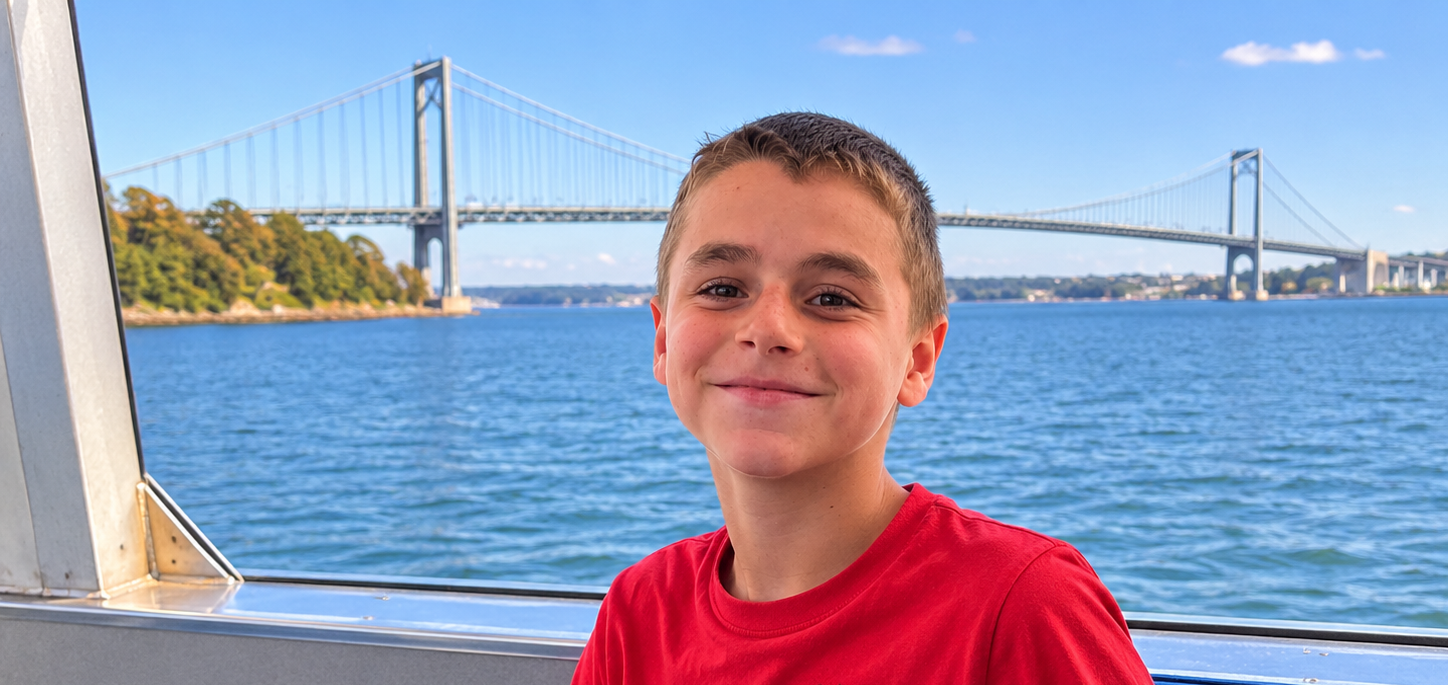
Rotem is a fifth grader who loves playing the drums, riding his bicycle and spending time with friends. He’s the youngest of four children. His mother describes him as a happy boy who wants to do the same things as other children his age.
Being active, though, has been hard for him since he was a toddler.
When Rotem was about 2 years old, his preschool teachers in Israel noticed that he tired easily during walks. His family asked doctors for help, but early exams and genetic tests did not give the family a clear answer.
Still, doctors suspected Duchenne muscular dystrophy (DMD). This rare genetic disease causes muscles to grow weaker over time. Rotem began physical therapy and hydrotherapy, or therapy in water. He also kept seeing specialists.
About three years ago, more advanced genetic testing finally confirmed that Rotem had DMD. It found a rare genetic change that earlier tests had missed. Today, Rotem has trouble climbing stairs, walking long distances and running. Over time, moving around has become harder.
“Other than that, he’s a very happy kid,” Michal said. “He wants to live a normal life.”
Finding a path to treatment
Through a group in Israel that supports patients and families, Michal learned about Elevidys. This gene therapy is designed to help target the genetic cause of Duchenne muscular dystrophy. At first, she thought about raising money for treatment in Israel. The country’s health system did not cover the therapy.
Then relatives in the United States helped her connect with Dennis Keselman, MD, Pediatric Neurologist at Boston Children’s Health Physicians and Co-director of the Muscular Dystrophy Association Care Center at Westchester Medical Center. They first spoke over Zoom while Michal was still in Israel. She remembers how much time Dr. Keselman spent explaining the treatment and answering her questions.
“He was excellent from the beginning,” she said. “So informative and nice, and wanted to help.”
With a possible path to treatment, Michal decided to move with Rotem. The move wasn’t easy. Rotem had to leave his friends, get used to a new school and start learning English. Michal’s husband stayed in Israel with their daughters, and the family spent months apart.
Getting insurance to cover Rotem’s treatment turned into a long fight. The insurance company denied coverage at first, and Dr. Keselman appealed the decision again and again. There were many days when the family felt they had lost hope. After appeal after appeal, the insurance company overturned its denial, and Rotem was approved for the therapy.
“He fought for us, and it’s something I won’t forget all of my life,” Michal said.
A new chapter at Westchester Medical Center
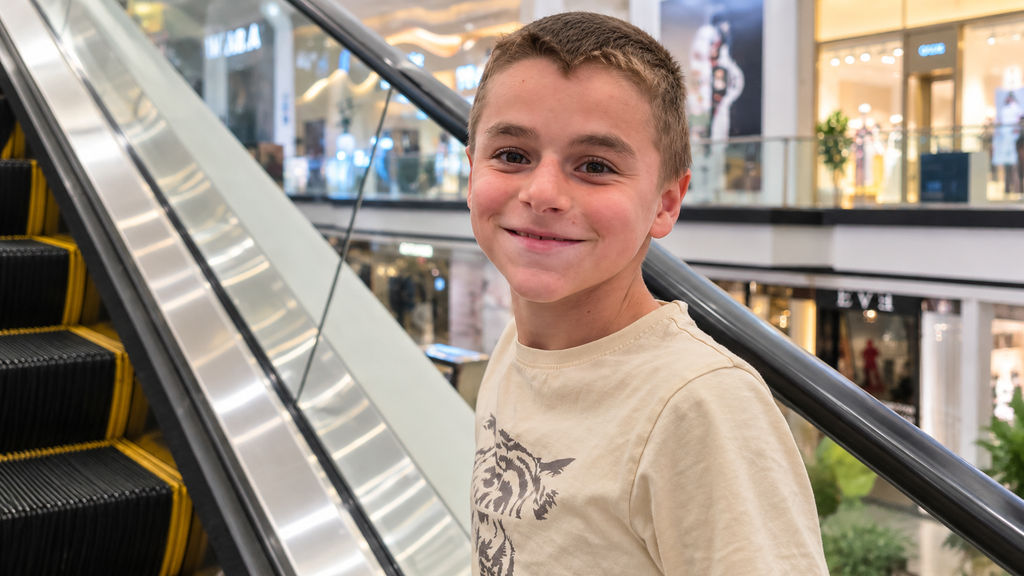
On October 13, Rotem received Elevidys at Westchester Medical Center. Giving a gene therapy like this one takes a huge effort from many teams across the hospital. Much of that work happened in WMC’s Cellular and Tissue Engineering Laboratory. The lab’s team, including Mitchell Cairo, MD, Edo Schaefer, MD and Sandra Fabricatore, NP, secured the medication and handled each step of preparing it and giving it to Rotem.
“The staff was very nice to us and to our son,” she said, describing the experience as better than she had expected.
Rotem’s care continues after the infusion. For about three months, a gene therapy safety team at WMC has been monitoring him closely. Gene therapy can affect the liver and heart, so along with Dr. Keselman, Rotem sees Jeffrey Vergales, MD, a pediatric cardiologist, and Shilpa Sood, MD, a pediatric liver specialist.
The family was still waiting to see how well the treatment would work for him. Michal knows it is not yet clear how much the treatment will help over time. As a nurse and the mother of a child whose disease gets worse over time, she knows there are no guarantees.
Still, she believes her family has gained something priceless.
“I think Dr. Keselman gave us a very beautiful gift, the gift of hope,” she said.
Her message to other families facing a Duchenne diagnosis is to keep looking into treatment options and speaking up for their children. “Don’t be discouraged,” she said. “Fight for it.”
For Michal, the hope of giving Rotem more time, more possibilities and a better future has made the family’s difficult journey worthwhile.
Learn more about pediatric neuromuscular care and treatment options at WMCHealth.