
Medically reviewed by Michael Schaff, PharmD, MBA, and Nicholas Feola, PharmD, BCIDP
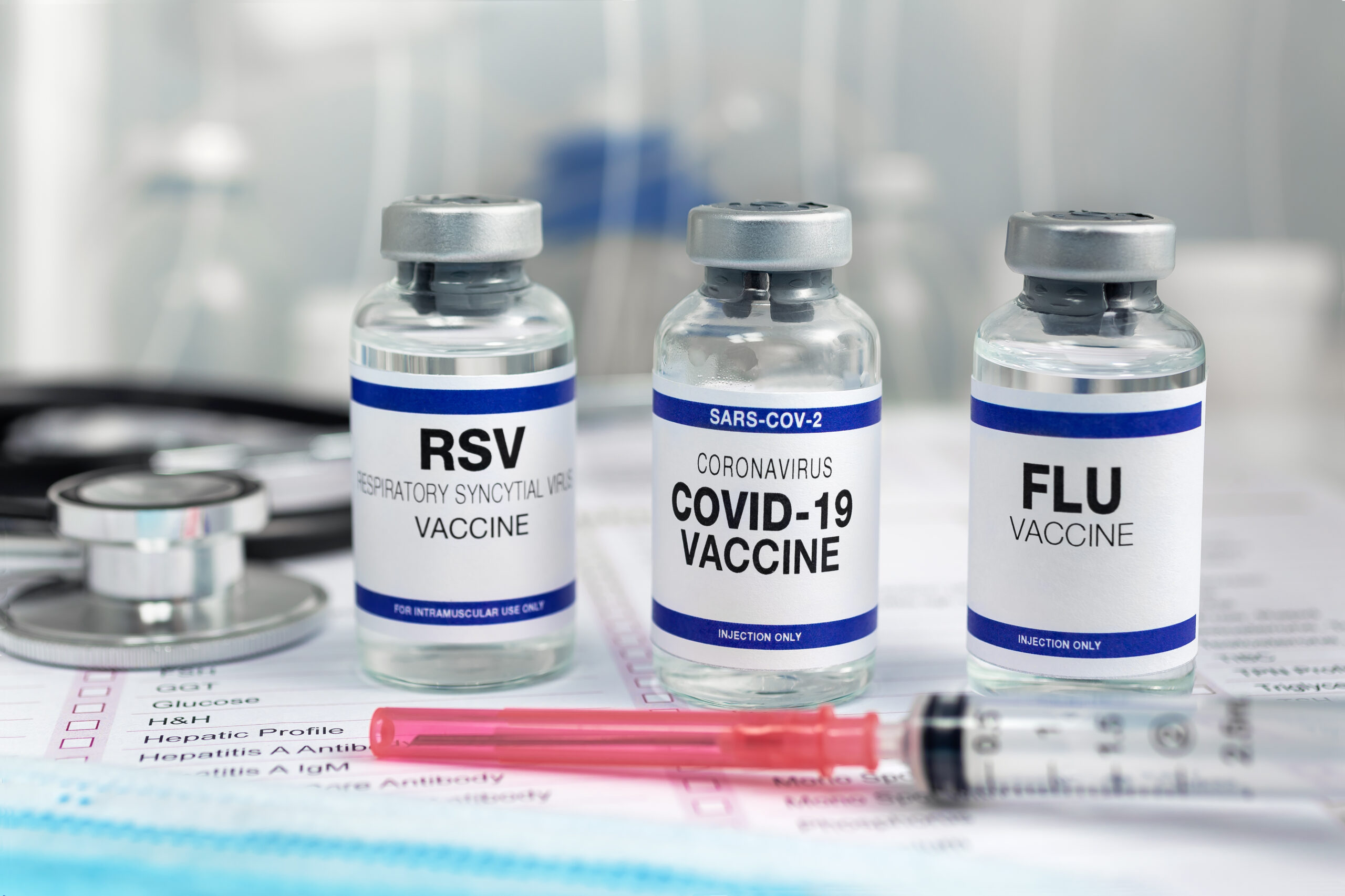
Fall means back to school, new routines and cooler weather. It also means the start of the respiratory virus season. Flu, COVID-19 and respiratory syncytial virus (RSV) are the three most common culprits, spreading largely between October and March. A few key vaccines can prevent serious illness, but recommendations vary by age, pregnancy status and health history. Here’s what you need to know.
Flu vaccine
With rare exceptions, nearly everyone aged 6 months and older should get the flu vaccine. Annual vaccination is especially important for people at higher risk of complications, including older adults, young children, pregnant women and people with certain chronic health conditions.
For most people, September and October are good times to get vaccinated. It takes about two weeks for the body to develop protection, so getting your shot before flu activity ramps up can help protect you throughout the season. Vaccination can still be beneficial later in the fall and winter if flu viruses continue to circulate.
Adults age 65 and older should receive an enhanced flu vaccine, such as a high-dose, adjuvanted or recombinant vaccine, when available. Children ages 6 months through 8 years who have not previously received enough flu vaccine doses may need two doses at least four weeks apart.
The flu vaccines available for the 2026–2027 season have also been updated to better match the influenza viruses expected to circulate this fall and winter.
COVID-19 vaccine
COVID-19 vaccine guidance looks different this year than in years past. Federal health officials moved away from recommending the vaccine for everyone and now frame it as a decision to make with your doctor, based on your age and health history.
Vaccination may be particularly important if you:
- Are age 65 or older
- Have a medical condition that increases your risk of severe COVID-19
- Have a weakened immune system
- Live in a long-term care facility
- Are pregnant
- Have never received a COVID-19 vaccine
COVID-19 vaccines continue to help reduce the risk of severe illness, hospitalization and death. Because protection from vaccination and previous infection decreases over time, your healthcare provider can help you decide whether a COVID-19 vaccine is appropriate for you this season.
If you recently had COVID-19, your healthcare provider can help you decide when to receive your next dose. The best timing may depend on your age, health conditions, immune status, vaccination history and local COVID-19 activity.
RSV vaccine
RSV often causes mild, cold-like symptoms, but it can lead to serious lung infections and hospitalization in older adults and infants.
The Centers for Disease Control and Prevention (CDC) recommends a single RSV vaccine dose for:
- All adults age 75 and older
- Adults ages 50 through 74 who are at increased risk for severe RSV
Risk factors can include chronic heart or lung disease, certain forms of diabetes, moderate or severe immune compromise, severe obesity and living in a nursing home or other long-term care setting.
Unlike the flu vaccine, the RSV vaccine is not currently an annual vaccine. If you have already received an RSV vaccine, another dose is not recommended at this time. For eligible adults who have not been vaccinated, late summer and early fall are ideal times to get it.
What about RSV protection for pregnant women and babies?
RSV protection is also important for newborns because infants can become seriously ill from the virus.
For most babies, there are two ways to provide protection. A pregnant woman can receive a vaccine during weeks 32 through 36 of pregnancy. Those antibodies are then passed to the baby before birth.
Another option is a long-acting RSV antibody given directly to the baby. This is not a vaccine. It is recommended for infants younger than 8 months entering their first RSV season when the mother did not receive the RSV vaccine during pregnancy, her vaccination status is unknown or the baby was born within 14 days of maternal vaccination. Some higher-risk children may also qualify for RSV antibody protection before their second RSV season.
Most babies do not need both maternal vaccination and an RSV antibody. Your obstetrician or pediatrician can help determine the right approach for your family.
Can you get all three vaccines at once?
Yes. You can get the flu, COVID-19 and RSV vaccines at the same visit, in different arms or spaced out however works best for you. There’s no required waiting period between them. If you’d rather space them out, that’s fine too. Talk with your doctor about what makes sense for your schedule and health history.
Ready to get vaccinated? Visit WMCHealth’s vaccine services page to learn more and find a location near you.