
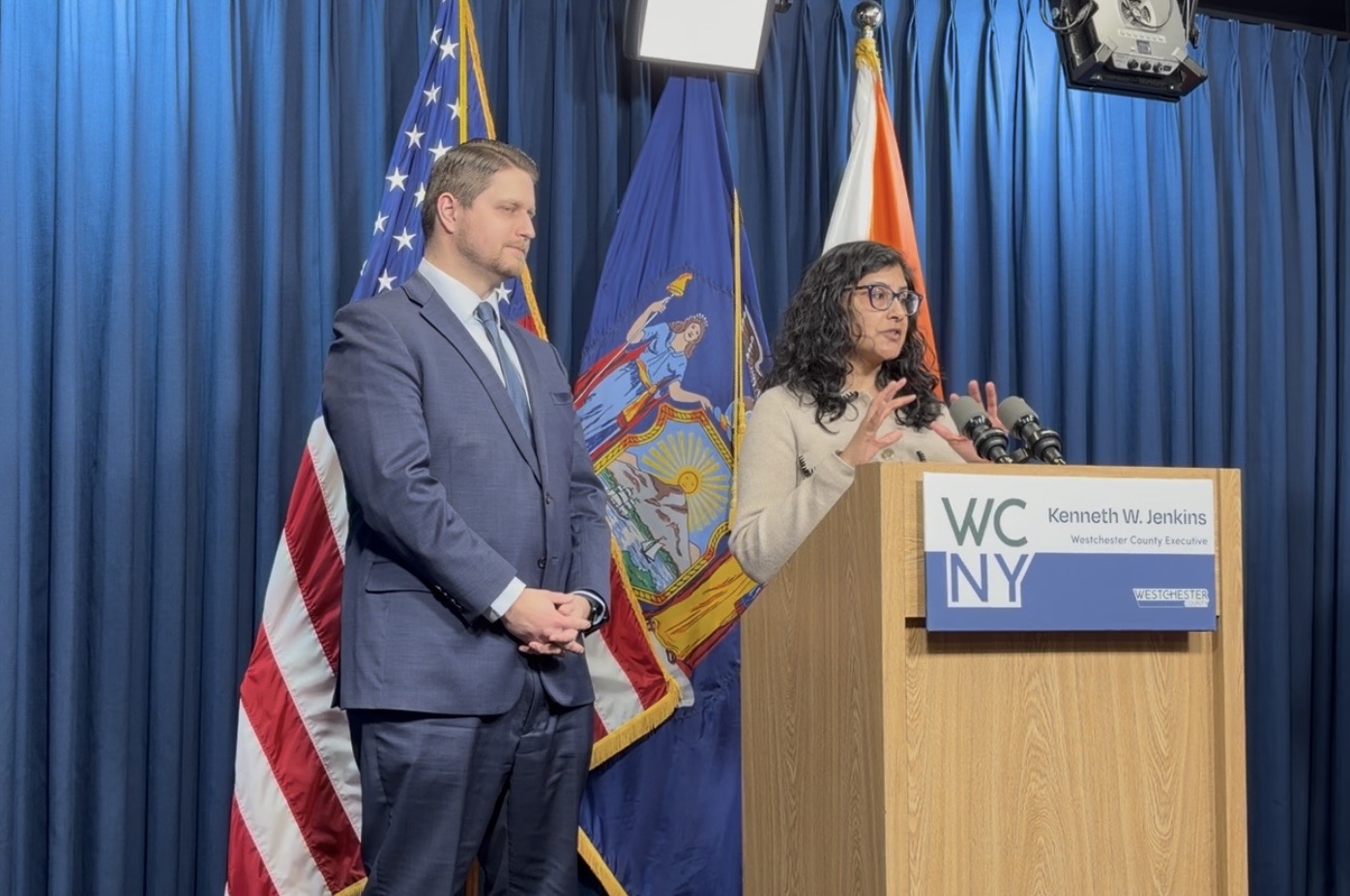
Hudson Valley Care Coalition and WMCHealth Partnership Expected to Reach Thousands of Medicaid Members Across Hospitals and Outpatient Sites
WESTCHESTER COUNTY, NY – March 3, 2026 – In a major step toward whole-person healthcare, Hudson Valley Care Coalition (HVCC) and Westchester Medical Center Health Network (WMCHealth) today announced a partnership to integrate health-related social needs screenings across WMCHealth hospitals and outpatient clinics.
As the largest Medicaid provider in the Hudson Valley, serving one in three Medicaid patients in the region, WMCHealth will now embed standardized screenings into inpatient discharge planning, emergency department workflows, and ambulatory care visits, ensuring Medicaid members at-risk of food insecurity, unstable housing or limited access to transportation are identified and connected to critical community-based supports.
The partnership is expected to generate approximately 80,000 Medicaid member screenings in 2026, making WMCHealth one of the first major health systems in the Hudson Valley to operationalize the NYS Social Care Network (SCN) at scale with outpatient sites serving as key hubs for navigation and referral follow-up.
Under this new partnership:
- WMCHealth hospitals will incorporate standardized social care screenings into inpatient discharge planning and emergency department workflows
- WMCHealth outpatient clinics and ambulatory care sites will conduct screenings and provide direct navigation support, working in coordination with HVCC’s Social Care Network to connect eligible members to services
- Referrals will be routed through a shared technology platform to close the loop on referrals and ensure outcomes are tracked.
WMCHealth SCN activation will include nine hospitals and over 100 outpatient/ambulatory sites across the Hudson Valley.
To support implementation, WMCHealth is:
- Embedding SCN screenings into clinical workflows
- Training hospital discharge planners, care managers, and outpatient clinical teams
- Distributing multilingual patient education materials in registration areas, discharge packets, and waiting rooms
- Coordinating referrals through the Unite Us platform to enable tracking and confirmation of service delivery
To date, HVCC’s Social Care Network, comprised of more than 150 community-based organizations, has screened approximately 40,000 Medicaid members across the Hudson Valley.
“When a major health system like WMCHealth — the largest Medicaid provider in our region — integrates social care screening into its hospitals and outpatient practices, it signals that addressing food, housing, and transportation needs is no longer optional; it is part of delivering quality healthcare,” said Amie Parikh, Chief Executive Officer of Hudson Valley Care Coalition. “By embedding this work across one of the Hudson Valley’s largest clinical networks, we are expanding our community-based healthcare ecosystem in a way that can reach thousands of Medicaid members at the moment they need support most.”
The SCN was established under New York State’s 1115 Medicaid waiver to better integrate healthcare and social services. Research shows that access to nutritious food, safe housing, and reliable transportation can account for up to 80 percent of improved health outcomes, particularly for individuals with chronic conditions or complex needs.
“Expanding social care screenings across our network strengthens care coordination and improves the patient experience,” said David Lubarsky, MD, MBA, FASA, President and Chief Executive Officer at WMCHealth. “By embedding these screenings into our hospitals and outpatient sites and coordinating directly with HVCC for navigation, we are making it easier for Medicaid members to access the supports that can prevent small challenges from becoming medical crises.”
Once screened, eligible Medicaid members may be connected to services such as nutrition support, housing stabilization services, utility assistance, and transportation for social care needs — at no cost to the member. This expansion builds on HVCC’s longstanding work coordinating care for Medicaid members through Health Home and behavioral health programs and reflects a broader shift toward value-based, whole-person care across New York State.