When your heart isn’t getting enough blood, you may experience chest pain, shortness of breath, or fatigue. These symptoms could mean that one or more arteries in your heart are too narrow or blocked. Angioplasty is a common procedure that opens these arteries to help your blood flow better.
Throughout Westchester Medical Center Health Network (WMCHealth), our heart specialists use advanced tools to perform angioplasty with care and precision. Whether you’ve had heart symptoms for a while or just found out there’s a problem, we’re here to help.

What Is Angioplasty?
Angioplasty with stent placement, also called percutaneous coronary intervention (PCI), is a minimally invasive procedure that opens your blocked heart arteries and improves blood flow. Your interventional cardiologist will use a catheter (a thin, flexible tube) with a small balloon at the tip to widen your artery.
In most cases a stent is left behind to help keep the artery open. You may need angioplasty if you have coronary artery disease, angina, or have had a heart attack. These conditions happen when plaque builds up in your arteries and limits the oxygen-rich blood reaching your heart. By reopening the artery, angioplasty can relieve your symptoms and help protect your heart from further damage.
What to Know About Your Angioplasty
Here’s what to expect before, during, and after your angioplasty procedure.
How to Prepare
Your care team will give you detailed instructions, which may include:
- Do not eat or drink for six to eight hours before the procedure.
- Tell your doctor about all medications you take, including vitamins or supplements.
- Wear comfortable clothes.
- Arrange for transportation home, as you may not be able to drive.
- Notify your care team if you have any allergies, especially to contrast dye or iodine.
What to Expect During the Angioplasty
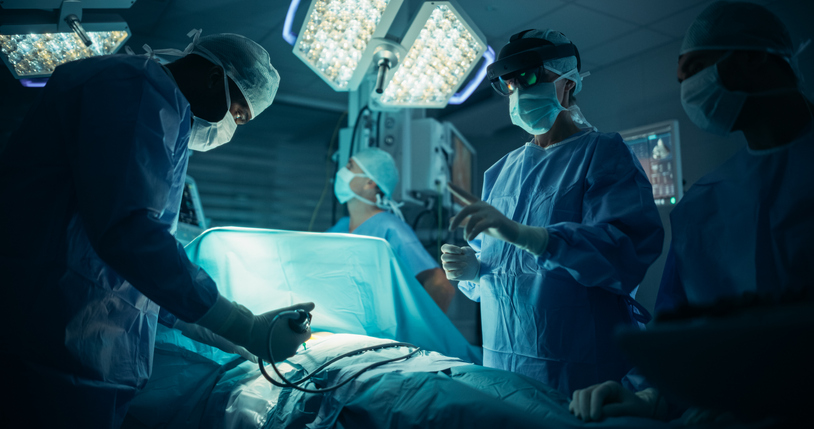
One of our interventional cardiologists will perform your angioplasty in a cardiac catheterization lab:
- Your interventional cardiologist will insert a catheter into a blood vessel, usually in your wrist or groin.
- The catheter will be guided to your blocked artery using X-ray imaging.
- A small balloon at the tip will be inflated to widen the artery and improve blood flow.
- In many cases, a stent will be placed to help keep your artery open.
- Once your artery is treated, the balloon will be deflated and the catheter removed.
The procedure usually takes 30 to 90 minutes.
What to Expect After
After the procedure, you’ll be closely watched to make sure your heart, blood pressure, and insertion site are doing well. If the catheter was inserted in your groin, you may need to lie flat for a few hours afterward to prevent bleeding. You may notice mild soreness or bruising at the insertion site, which is common and usually goes away on its own.
Most patients go home the same day or after a short overnight stay. Before you leave, you’ll get instructions about activity limits, medications, and follow-up appointments. Your ongoing care may include lifestyle changes, cardiac rehab, or more heart testing to support your recovery. Almost all patients require a short course of blood thinners after an angioplasty.
Impella® Heart Pump Support
If you have a severe blockage or a weak heart, your care team may use the Impella® device. This tiny heart pump helps keep blood flowing while your artery is opened. It supports your heart during angioplasty and may improve your recovery.

Walter E. Kaufmann
Cardiovascular Disease
Locations:
-
5 Skinner St
Port Jervis, NY 12771
 WMCHealth Provider

Andrew Najovits
Cardiovascular Disease, Echocardiography, Nuclear Cardiology
Locations:
-
257 Lafayette Avenue Suite 300
Suffern, NY 10901
WMCHealth Provider

Hratch Kazanjian
Cardiovascular Disease
Locations:
-
30 Hatfield Lane
Goshen, NY 10924
WMCHealth Provider

Chhaya Gupta
Advanced Heart Failure and Transplant Cardiology
Locations:
-
257 Lafayette Avenue Suite 330
Suffern, NY 10901
WMCHealth Provider

Andrew C. Shih
Interventional Cardiology, Cardiovascular Disease, Internal Medicine
Locations:
-
257 Lafayette Avenue Suite 285
Suffern, NY 10901
WMCHealth Provider

Ahmed Alabbady
Interventional Cardiology
Locations:
-
1 Crosfield Avenue Suite 101
West Nyack, NY 10994
WMCHealth Provider

Richard Cantor
Cardiovascular Disease, Nuclear Cardiology, Internal Medicine, Echocardiography
Locations:
-
2 Executive Boulevard
Suffern, NY 10901
WMCHealth Provider

Amala Chirumamilla
Cardiovascular Disease, Echocardiography, Nuclear Cardiology
Locations:
-
257 Lafayette Avenue Suite 300
Suffern, NY 10901
WMCHealth Provider

Seth Hurwitz
Cardiovascular Disease, Echocardiography, Nuclear Cardiology
Locations:
-
30 Hatfield Lane
Goshen, NY 10924
WMCHealth Provider

John Zimmerman
Clinical Cardiac Electrophysiology, Cardiovascular Disease
Locations:
-
30 Hatfield Lane
Goshen, NY 10924
WMCHealth Provider

Cary L. Hirsch
Interventional Cardiology, Cardiovascular Disease
Locations:
-
257 Lafayette Avenue Suite 300
Suffern, NY 10901
WMCHealth Provider

Gunjan J. Shukla
Clinical Cardiac Electrophysiology, Cardiovascular Disease
Locations:
-
257 Lafayette Avenue Suite 330
Suffern, NY 10901
WMCHealth Provider

Savalan Babapoor
Clinical Cardiac Electrophysiology
Locations:
-
257 Lafayette Avenue Suite 330
Suffern, NY 10901
WMCHealth Provider
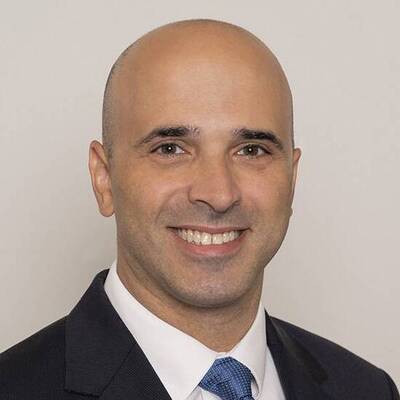
Joseph Harburger
Cardiovascular Disease, Diagnostic Ultrasound, Internal Medicine
Locations:
-
100 Woods Road ACP 1st Floor
Valhalla, NY 10595
WMCHealth Provider

Divya Malhotra
Cardiovascular Disease
Locations:
-
100 Woods Road ACP 1st Floor
Valhalla, NY 10595
WMCHealth Provider

Arvind Agarwal
Cardiovascular Disease, Internal Medicine
Locations:
-
12 Liberty Square Mall
Stony Point, NY 10980
WMCHealth Provider

Lee P. Root
Cardiovascular Disease, Internal Medicine, Echocardiography, Nuclear Cardiology
Locations:
-
972 Route 45 Suite 103
Pomona, NY 10970
WMCHealth Provider

Stephen Pan
Advanced Heart Failure and Transplant Cardiology, Cardiovascular Disease
Locations:
-
257 Lafayette Avenue Suite 330
Suffern, NY 10901
WMCHealth Provider
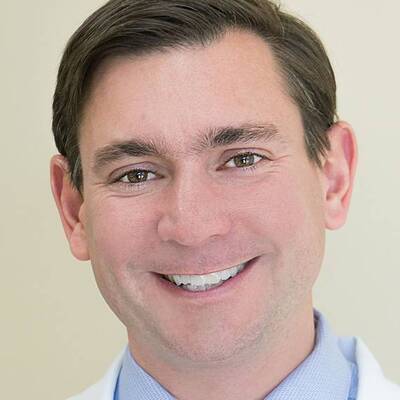
Gregg M. Lanier
Advanced Heart Failure and Transplant Cardiology
Locations:
-
257 Lafayette Avenue Suite 330
Suffern, NY 10901
WMCHealth Provider

Alan Gass
Advanced Heart Failure and Transplant Cardiology
Locations:
-
257 Lafayette Avenue Suite 330
Suffern, NY 10901
WMCHealth Provider