Our ears are vital for hearing and staying connected to the world around us. When chronic infections, diseases, or significant hearing loss affect your ear, that connection can weaken or be lost. Our ENT specialists are trained in advanced ear surgeries and innovative procedures designed to address complex hearing and ear health needs.
WMCHealth’s Advanced ENT Services treats a wide range of ear conditions. Treatments may include nonsurgical options, reconstructive surgeries, and advanced implants. These treatments help with problems such as hearing loss, chronic infections, cholesteatoma, otosclerosis, and ear tumors.
Our otolaryngology surgeons perform advanced ear surgeries using minimally invasive and reconstructive techniques.
Types of Ear Surgeries and Procedures
Many ear and hearing conditions can be treated effectively with nonsurgical options like medications and office-based procedures. For more complex or severe conditions, surgery may be necessary. Based on your specific condition and cause of hearing loss, you may be eligible for a variety of surgeries.
Common ear surgeries we perform include:
A tympanoplasty repairs a perforated (torn) eardrum, which may result from infection, trauma or other causes. A hole in your eardrum increases the risk of recurrent ear infections and often causes hearing loss. This procedure restores the integrity of your eardrum, creating a healthier ear and improving hearing.
The mastoid bone, located behind your ear, contains air cells that surround the middle and inner ear. When disease such as chronic infection or cholesteatoma develops, these air cells can fill with fluid or tissue. A mastoidectomy removes the infected or damaged tissue to prevent further complications. This surgery is usually scheduled ahead of time and performed as an outpatient procedure. In rare cases of severe mastoiditis, you may need to stay in the hospital for urgent surgery.
A cochlear implant is a specialized hearing device surgically implanted in the cochlea, a tube in the inner ear. It electrically stimulates nerve cells in the inner ear, allowing people to perceive sound and better understand speech. It has an external component that sits behind the ear and another component that is placed just under the skin. A cochlear implant can benefit you even if hearing aids haven’t because it bypasses the area that causes the hearing loss.
Unlike hearing aids, a cochlear implant does not make sounds louder. Instead, it stimulates the auditory nerve and transmits a signal to the brain that the brain recognizes as sound.
When you have otosclerosis, the stapes bone (which helps you hear) becomes fixed and no longer vibrates as it should to transmit sound. Laser stapedotomy is a highly precise procedure performed to help sound travel again. During the procedure, your surgeon uses a laser to make a small (0.6 mm) opening in your stapes bone and places a prosthesis to restore sound transmission.
Some children are born without a properly formed ear canal or eardrum. This can cause significant conductive hearing loss. In certain situations, a new ear canal and eardrum can be surgically created, and middle ear bones can be adjusted to greatly improve hearing.
Bone conduction implants provide hearing solutions for patients with conductive hearing loss who cannot use traditional hearing aids, such as those with chronic ear drainage and atresia. They can also be used by patients with single sided deafness.
Types include:
Active bone conduction implants: vibrate the skull directly and connect via a magnetic external processor.
Passive bone conduction implants: use an external processor that vibrates through a small skin-penetrating attachment.
Your surgeon will review the best option for your hearing needs.
CSF otorrhea happens when the fluid that surrounds your brain leaks into your middle ear. This may cause clear drainage from your ear or a feeling of ear fullness. Because CSF leaks can increase your risk for meningitis, surgery is usually needed to address the problem. Smaller leaks can often be repaired by a neurotologist. If your condition is more complex, we may involve a skull base surgery team that includes both a neurotologist and a neurosurgeon.
An acoustic neuroma, or vestibular schwannoma, is a tumor of the hearing or balance nerve. Your symptoms may include hearing loss, dizziness, or facial weakness. Largertumors may cause additional neurological complications. Your surgical removal is performed by a team of neurotologists and neurosurgeons who specialize in treating these tumors. They use surgical approaches tailored to the size of your tumor and specific health needs.
Your middle ear bones (malleus, incus, and stapes) work together to transmit sound. Trauma, infection, or cholesteatoma can damage these bones, leading to hearing loss. Ossicular chain reconstruction restores sound transmission by placing a tiny prosthesis to repair or replace the damaged bone(s).
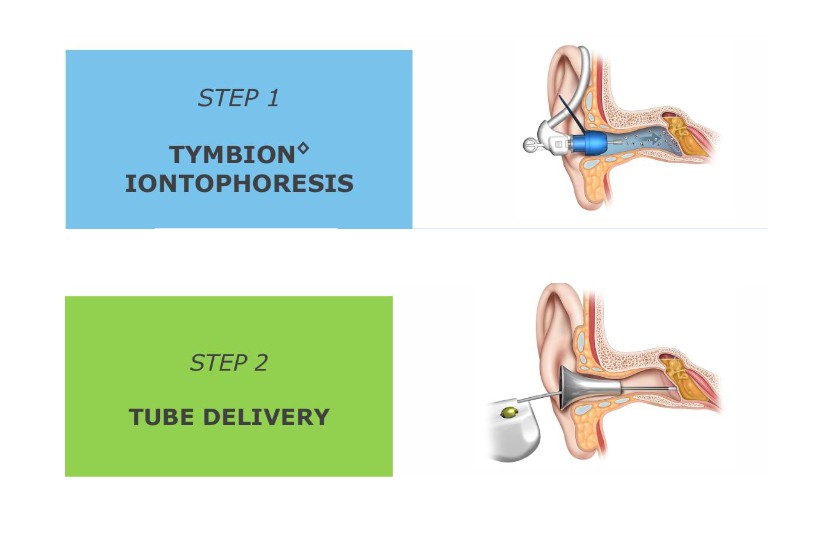
At Westchester Medical Center, we offer the Tula® System, an innovative, office-based option for ear tube placement (tympanostomy tubes) in children 6 months of age and older. The Tula System allows many patients to receive ear tubes without general anesthesia, using local anesthesia during a routine office visit.
The Tula System also includes child-friendly education and comfort strategies designed to reduce anxiety and create a positive experience for children and their families.
The Tula System may be an option for children and adults with recurrent ear infections or persistent middle ear fluid. Your ENT specialist will determine whether this treatment is the right choice based on your medical history and ear examination.
If your child experiences frequent ear infections or ongoing fluid in the ears, the ENT specialists at Westchester Medical Center can determine whether the Tula® System is the right treatment option.
Tula® System allows many patients to receive ear tubes without general anesthesia. The procedure typically takes about 35 minutes. After the eardrum is gently numbed, the ear tube is placed in a single, precise step that takes less than a second. Most patients return to normal activities the same day.
What to Do Next
If you or a loved one is dealing with a chronic ear condition or hearing problem that may require surgical treatment, WMCHealth ENT surgeons are here to help. We understand the impact these conditions have on everyday life and provide advanced care, close to home. Contact us today to schedule a consultation.