

If you’re having trouble with your voice or swallowing, it can affect every part of your daily life. This can include speaking clearly, enjoying meals, or even breathing comfortably.
At WMCHealth, our Voice and Swallowing Program is designed to restore these essential functions. Whether you depend on your voice for your career (like singers, teachers, or public speakers), or you’re looking for relief from swallowing or breathing difficulties, our specialists can help.
Our team of Ear, Nose, and Throat (ENT) specialists can help you feel and function better, including:
- Laryngologists: ENT doctors who specialize in voice and airway conditions
- Speacialized speech-language pathologists (SLPs): therapists who address voice, breathing, and swallowing problems
Together, we evaluate your condition and provide treatments that target the source of the problem. At WMCHealth, we believe that everyone deserves a voice.
The Voice and Swallowing Program is part of WMCHealth’s Department of Otolaryngology.
Voice and Upper Airway-Related Symptoms

- Dry, scratchy throat
- Difficulty breathing, noisy breathing
- Hoarse, raspy, rough, or breathy voice
- Persistent coughing or throat-clearing
- Food or liquid leaking from the mouth or getting stuck in the mouth
- Difficulty projecting the voice loudly
- Difficulty singing
- Vocal fatigue or strain, especially after talking
- Throat discomfort, pain, soreness, or tightness
- Voice changes related to aging or neurological conditions

Robert Ward
Pediatric Otolaryngology (Ear, Nose, & Throat)
Locations:
-
19 Baker Ave Suite 301
Poughkeepsie, NY 12601
 WMCHealth Provider

Ashleigh Halderman
Rhinology & Anterior Skull Base Surgery
Locations:
-
1055 Saw Mill River Rd Suite 101
Ardsley, NY 10502
WMCHealth Provider

Habibullah Jamal
Otolaryngology (Ear, Nose, & Throat)
Locations:
-
14 Rye Ridge Plaza Suite 247
Rye Brook, NY 10573
WMCHealth Provider
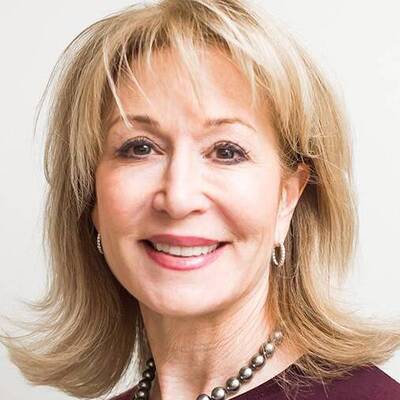
Lianne de Serres
Pediatric Otolaryngology (Ear, Nose, & Throat)
Locations:
-
14 Rye Ridge Plaza Suite 247
Rye Brook, NY 10573
WMCHealth Provider

Bulent Mamikoglu
Otology
Locations:
-
19 Baker Ave Suite 301
Poughkeepsie, NY 12601
WMCHealth Provider
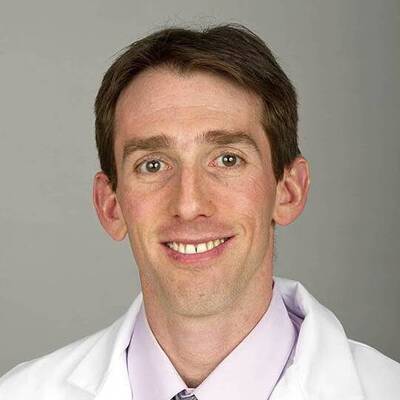
Steven Hemmerdinger
Otolaryngology (Ear, Nose, & Throat)
Locations:
-
1055 Saw Mill River Rd Suite 101
Ardsley, NY 10502
WMCHealth Provider

Patricia Johnson
Rhinology & Anterior Skull Base Surgery
Locations:
-
1055 Saw Mill River Rd Suite 101
Ardsley, NY 10502
WMCHealth Provider
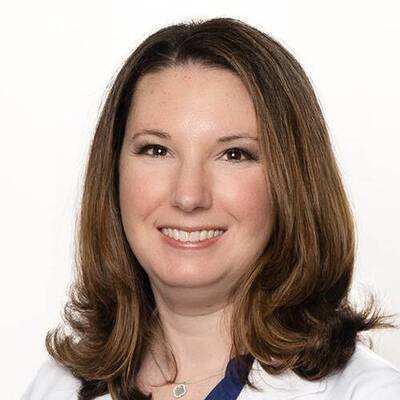
Alyssa Ludwin
Otolaryngology (Ear, Nose, & Throat)
Locations:
-
19 Baker Ave Suite 301
Poughkeepsie, NY 12601
WMCHealth Provider
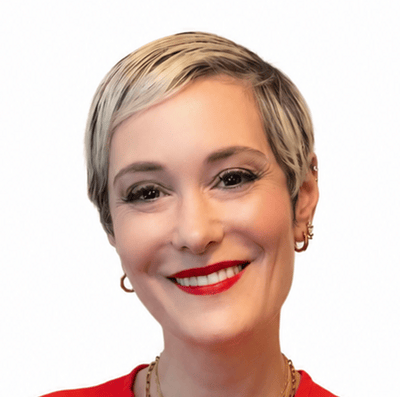
Tali Lando
Pediatric Otolaryngology (Ear, Nose, & Throat)
Locations:
-
1055 Saw Mill River Rd Suite 101
Ardsley, NY 10502
WMCHealth Provider

Kristina Piastro
Otolaryngology (Ear, Nose, & Throat)
Locations:
-
19 Baker Ave Suite 301
Poughkeepsie, NY 12601
WMCHealth Provider

David Merer
Pediatric Otolaryngology (Ear, Nose, & Throat)
Locations:
-
14 Rye Ridge Plaza Suite 247
Rye Brook, NY 10573
WMCHealth Provider
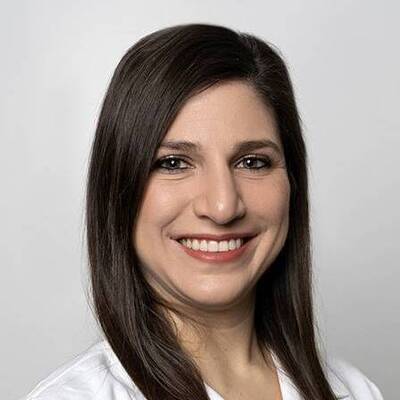
Janine Rotsides
Head & Neck Oncology, Microvascular Reconstruction, Thyroid & Parathyroid Surgery
Locations:
-
1055 Saw Mill River Rd Suite 101
Ardsley, NY 10502
WMCHealth Provider
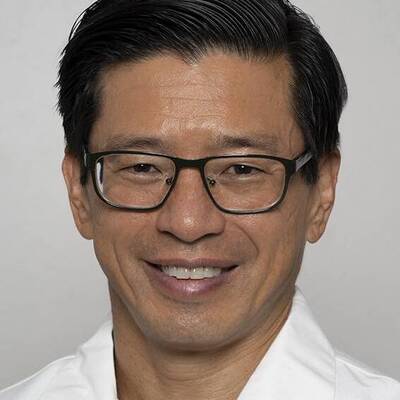
Mike Yao
Head & Neck Oncology, Thyroid & Parathyroid Surgery
Locations:
-
19 Bradhurst Avenue Suite 3850S
Hawthorne, NY 10532
WMCHealth Provider
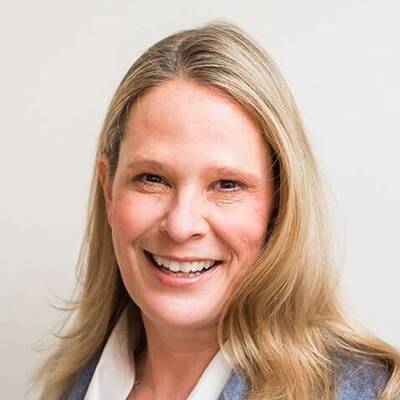
Katrina Stidham
Otology & Neurotology
Locations:
-
19 Bradhurst Ave Suite 3600S
Hawthorne, NY 10532
WMCHealth Provider
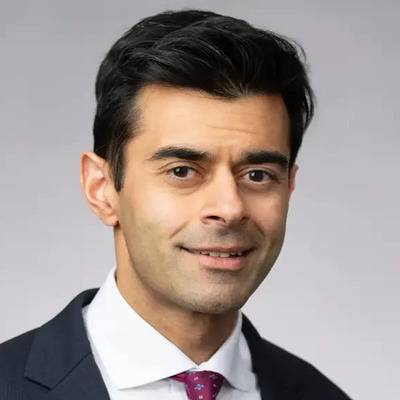
Shaun Desai
Head & Neck Plastic Surgery
Locations:
-
1055 Saw Mill River Rd Suite 101
Ardsley, NY 10502
WMCHealth Provider
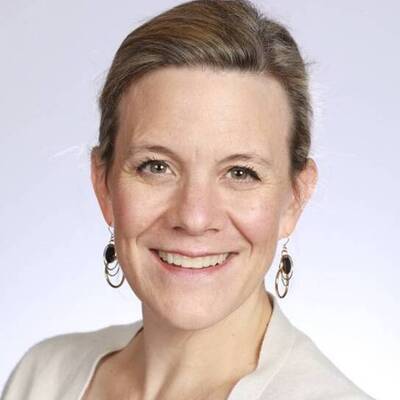
Jennifer McLevy-Bazzanella
Pediatric Otolaryngology (Ear, Nose, & Throat)
Locations:
-
19 Bradhurst Ave Suite 3600S
Hawthorne, NY 10532
WMCHealth Provider
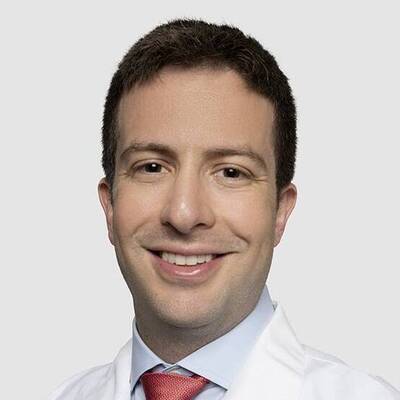
David Garber
Laryngology
Locations:
-
19 Bradhurst Avenue Suite 3850S
Hawthorne, NY 10532
WMCHealth Provider
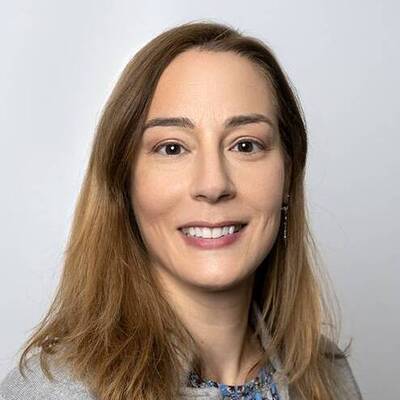
Nada Lileika
Audiologist
Locations:
-
19 Bradhurst Avenue Suite 3800S
Hawthorne, NY 10532
WMCHealth Provider
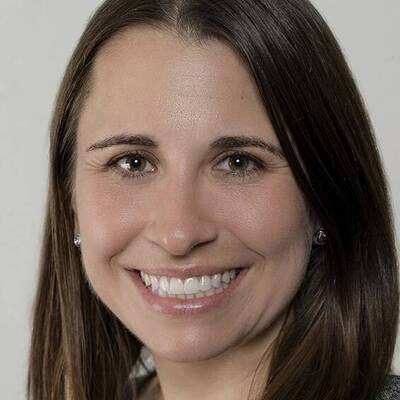
Jessica Hoffman
Audiologist
Locations:
-
19 Bradhurst Avenue Suite 3800S
Hawthorne, NY 10532
WMCHealth Provider

Amber Turner
Audiologist
Locations:
-
19 Bradhurst Ave Suite 3600S
Hawthorne, NY 10532
WMCHealth Provider
Voice, Upper Airway, and Swallowing Conditions Treatment Capabilities
Voice Therapy
Voice therapy is a specialized and personalized program designed to improve vocal strength, flexibility, and function. It is provided by speech-language pathologists with advanced training in voice disorders. Through guided techniques and targeted strategies, voice therapy can help you reduce vocal strain, recover from injury, and keep your voice strong and efficient, whether for everyday communication or your work.
Behavioral Cough Suppression Therapy
Behavioral cough suppression therapy retrains the reflex to cough and reduces throat clearing. It is led by speech-language pathologists with advanced training in upper airway disorders. This approach helps you control chronic coughing, protect your voice, and speak more comfortably during daily activities.
Respiratory Retraining Therapy
Respiratory retraining therapy restores healthy breathing patterns in people with conditions like inducible laryngeal obstruction (ILO). It is led by speech-language pathologists with advanced training in upper airway disorders. This treatment helps you manage shortness of breath, improve airflow, and breathe more easily day to day.
Gender and Identity-Affirming Voice Care
Gender and identity-affirming voice care (GAVC) helps transgender and non-binary individuals find a voice that matches their identity. It is provided by speech-language pathologists with specialized training. GAVC helps you align your voice with your goals, so you can express yourself with confidence.
Swallowing Therapy
Swallowing therapy, also called dysphagia therapy, strengthens swallowing muscles and function. It is led by speech-language pathologists with expertise in swallowing disorders. This therapy helps you eat and drink more safely, lowering risks like aspiration and making mealtimes more manageable.
Surgery
Surgery may be needed for certain voice, airway, or swallowing problems. It is performed by laryngologists who specialize in minimally invasive and advanced surgical techniques. These procedures help you restore function, protect healthy tissue, and recover with fewer side effects.
Common surgeries include:
- Microdirect laryngoscopy
- Microflap surgery
- Laryngoplasty
- Laser surgery
- Zenker’s diverticulectomy
- Cricopharyngeal myotomy
- Endoscopic treatment of airway stenosis
- Tracheal resection
Innovators in Care, Leaders in Research
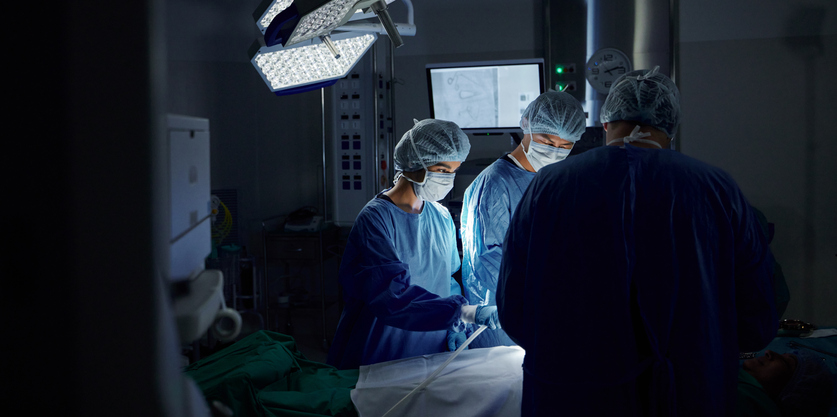
At WMCHealth, your care team is not only treating patients today but also shaping tomorrow’s treatments. Our Department of Otolaryngology studies new therapies and techniques that may expand your options for voice, airway, and swallowing care. They also teach the next generation of providers, ensuring you benefit from the latest knowledge and approaches every time you visit.

Safe, Effective Treatments Without General Anesthesia
In-office procedures treat many voice and airway conditions without general anesthesia. They are performed by laryngologists using small scopes and local anesthesia, so you can go home the same day. Common treatments include:
- biopsies (to check tissue for disease)
- Botulinum toxin injections (to relax overactive muscles)
- vocal cord injections or augmentations (to improve voice strength)
- Superior laryngeal nerve blocks (to help treat chronic cough)
These procedures help you get faster relief with less downtime and no need for a hospital stay.