
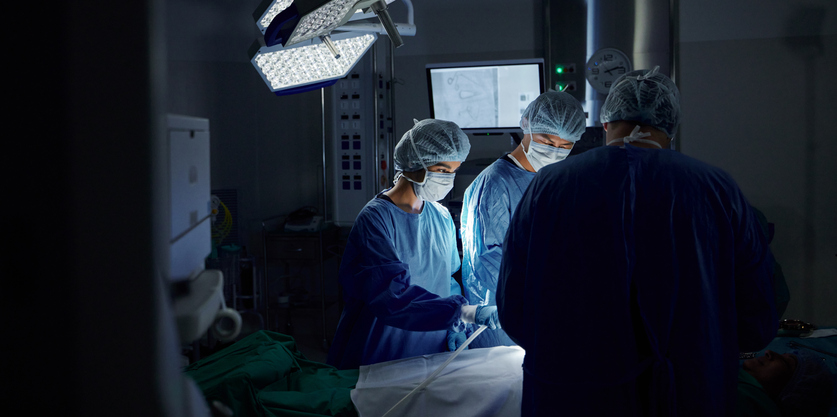
When you have a heart valve condition, you may experience shortness of breath, fatigue, or discomfort in your chest. In some patients, these symptoms happen when your valve becomes too narrow or stiff, making your heart work harder. Valvuloplasty is a minimally invasive procedure that can widen the valve and allow more blood through, which may help you avoid surgery.
WMCHealth interventional cardiologists use advanced techniques like valvuloplasty to provide relief from valve stenosis without the need for open-heart surgery. Whether you’ve just been diagnosed with a heart valve condition or already exploring non-surgical treatments, we’re here to help.
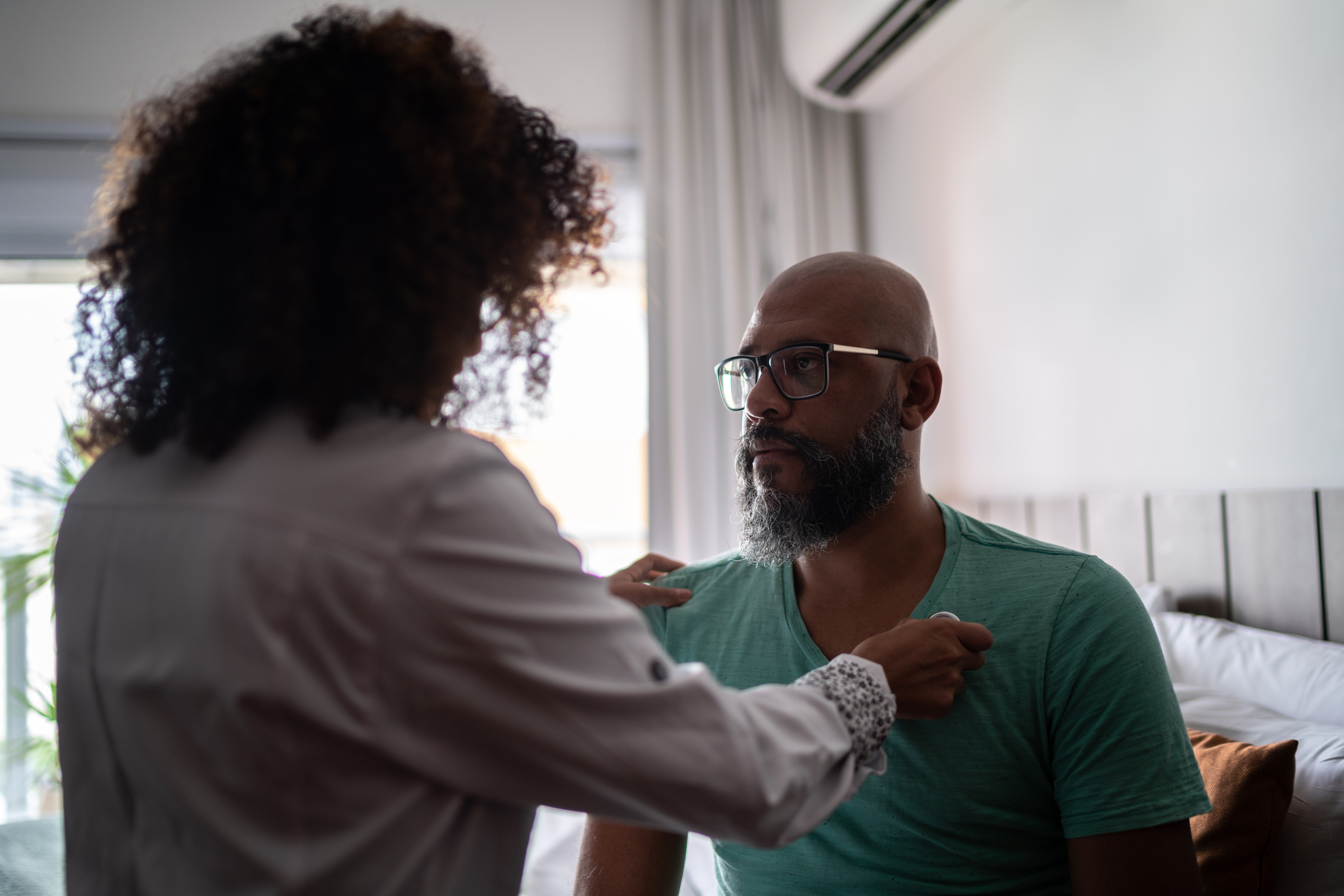
What Is Valvuloplasty?
Balloon valvuloplasty works by using a balloon-tipped catheter to widen a narrowed heart valve. This minimally invasive procedure treats various types of valve stenosis, including:
- Aortic stenosis
- Mitral stenosis
- Tricuspid valve stenosis
- Pulmonary valve stenosis
You may be a candidate for valvuloplasty if medications no longer work or you’re not ready for valve replacement.
What to Know About Your Valvuloplasty Procedure
Here’s what you can expect before, during, and after your balloon valvuloplasty procedure.
How to Prepare
Your care team will provide specific instructions before your procedure, which may include:
- Avoid eating or drinking for six to eight hours beforehand.
- Pause or stop medications or supplements you’re taking.
- Wear clothes you feel comfortable in and bring an extra pair of clothes in case you spend the night.
- Arrange for someone to drive you home afterward, although sometimes an overnight stay may be required.
What to Expect During the Valvuloplasty
Your valvuloplasty will be performed in a cardiac catheterization lab by a WMCHealth interventional cardiologists:
- You may be given medicine to help you relax or sleep lightly during the procedure.
- A catheter (a thin tube) with a deflated balloon is inserted into your artery or vein, usually in your groin or leg, and guided to your heart.
- Once in place, the balloon is inflated to stretch open the narrowed valve.
- After the valve is opened, the balloon is deflated and the catheter is removed.
The procedure usually takes about 60 to 90 minutes.
What to Expect Afterward
After your procedure, we’ll monitor you to make sure your heart and the catheter site are both doing well. You might have a little bruising or soreness where the catheter went in, which is normal and should go away soon. You’ll likely go home the same day, but in some cases, a short stay in the hospital may be required.
Before you leave, we’ll give you clear instructions about what to do at home. This may include a timeline for when you can be active again, how to take your medicine, and when to come back for a checkup. We may also schedule more tests to check in on how your heart valve is working.

John Zimmerman
Clinical Cardiac Electrophysiology
Locations:
-
257 Lafayette Ave Suite 330
Suffern, NY 10901
 WMCHealth Provider

Hratch Kazanjian
Cardiovascular Disease
Locations:
-
30 Hatfield Ln
Goshen, NY 10924
WMCHealth Provider
Aneta Dimova
Cardiovascular Disease
Locations:
-
111 Marys Avenue Suite 3
Kingston, NY 12401
WMCHealth Provider

Andrew Shih
Cardiovascular Disease
Locations:
-
257 Lafayette Avenue Suite 200
Suffern, NY 10920
WMCHealth Provider

Sharmila Sarkar
Cardiovascular Disease
Locations:
-
1 Crossfield Avenue Suite 101
West Nyack, NY 10994
WMCHealth Provider

Richard Cantor
Cardiovascular Disease
Locations:
-
2 Executive Blvd
Suffern, NY 10901
WMCHealth Provider

Ahmed Alabbady
Interventional Cardiology
Locations:
-
1 Crossfield Avenue Suite 101
West Nyack, NY 10994
WMCHealth Provider

Adrienne Rascoe
Cardiovascular Disease
Locations:
-
575 Hudson Valley Avenue Suite 200
New Windsor, NY 12553
WMCHealth Provider
Dominica Potenza
Cardiovascular Disease
Locations:
-
100 Woods Road ACP 1st Floor
Valhalla, NY 10595
WMCHealth Provider
Gladys Pacenza
Cardiovascular Disease
Locations:
-
575 Hudson Valley Avenue Suite 200
New Windsor, NY 12553
WMCHealth Provider
Shubnum Singh
Cardiovascular Disease
Locations:
-
972 Route 45 Suite 103
Pomona, NY 10970
WMCHealth Provider
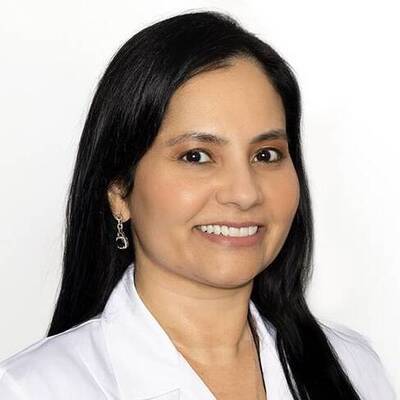
Jiji Abraham
Cardiovascular Disease
Locations:
-
100 Woods Road ACP 1st Floor
Valhalla, NY 10595
WMCHealth Provider
Muhammad Raufi
Interventional Cardiology
Locations:
-
575 Hudson Valley Avenue Suite 200
New Windsor, NY 12553
WMCHealth Provider
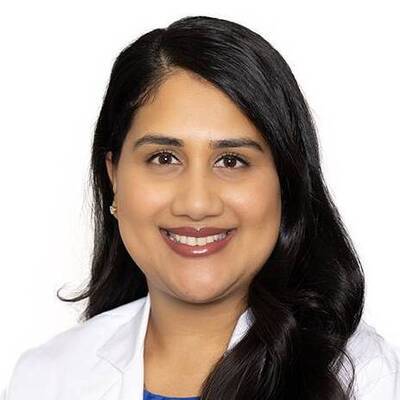
Daisy Yohannan
Cardiovascular Disease
Locations:
-
100 Woods Road ACP 1st Floor
Valhalla, NY 10595
WMCHealth Provider
Patricia Rainaldi
Cardiovascular Disease
Locations:
-
575 Hudson Valley Avenue Suite 200
New Windsor, NY 12553
WMCHealth Provider

Yoram Amsalem
Interventional Cardiology
Locations:
-
257 Lafayette Ave Suite 300
Suffern, NY 10901
WMCHealth Provider

Carmela Musial
Cardiovascular Disease
Locations:
-
100 Woods Road ACP 1st Floor
Valhalla, NY 10595
WMCHealth Provider

Andrew Najovits
Cardiovascular Disease
Locations:
-
257 Lafayette Ave Suite 300
Suffern, NY 10901
WMCHealth Provider