

A MUGA scan is a highly accurate, noninvasive test that may be used if you have symptoms like fatigue, shortness of breath, or a history of heart disease. It may also be used to evaluate your heart function before starting certain treatments, like chemotherapy, that may affect your heart.
At Westchester Medical Center, the flagship of the Westchester Medical Center Health Network, we offer advanced MUGA scan imaging interpreted by specialists in nuclear cardiology. This means your scan is read by experts who focus on heart imaging—so you get the most accurate results to get your care plan.

What Is a MUGA Scan?
A multigated acquisition (MUGA) scan is a type of nuclear imaging test that shows how well your heart’s ventricles are pumping blood. It’s one of the most accurate tests for measuring the heart’s ejection fraction (a key indicator of heart function).
What to Know About Your MUGA Scan
Here’s what to expect before, during, and after your MUGA scan.
How to Prepare
- Wear comfortable, loose-fitting clothes and avoid wearing jewelry or metal objects.
- You may be asked to avoid caffeine for a few hours before the test.
- Your care team will review your medications and provide any necessary instructions, otherwise continue to take your usual medications without any interruption.
. - If you are pregnant or breastfeeding, notify your provider in advance.
What to Expect During the MUGA Scan
Your MUGA scan will be performed in a nuclear medicine lab by a certified nuclear medicine technologist and interpreted by a specialized cardiologist. The scan takes 30 to 60 minutes and is painless. You’ll need to remain still and follow simple instructions to ensure clear images.
- An intravenous cannula (a small plastic needle, through which medications can be injected) will be placed in your forearm.
- A small amount of a radiotracer (Technetium-99m pertechnetate) will be injected intravenously through the cannula in your forearm
- You’ll lie on a table while a gamma camera takes images of your heart as it beats.
- Electrodes may be placed on your chest to monitor your heart rhythm.
What to Expect After
You can resume most normal activities immediately after your scan. Drinking extra water can help flush the tracer from your system.
- Your doctor will receive the results and explain what they mean for your treatment or monitoring plan.
If further care is needed, our team will guide you through next steps with WMCHealth’s integrated cardiac services.

John Zimmerman
Clinical Cardiac Electrophysiology
Locations:
-
257 Lafayette Ave Suite 330
Suffern, NY 10901
 WMCHealth Provider

Hratch Kazanjian
Cardiovascular Disease
Locations:
-
30 Hatfield Ln
Goshen, NY 10924
WMCHealth Provider
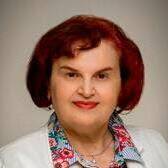
Aneta Dimova
Cardiovascular Disease
Locations:
-
111 Marys Avenue Suite 3
Kingston, NY 12401
WMCHealth Provider

Andrew Shih
Cardiovascular Disease
Locations:
-
257 Lafayette Avenue Suite 200
Suffern, NY 10920
WMCHealth Provider

Sharmila Sarkar
Cardiovascular Disease
Locations:
-
1 Crossfield Avenue Suite 101
West Nyack, NY 10994
WMCHealth Provider

Richard Cantor
Cardiovascular Disease
Locations:
-
2 Executive Blvd
Suffern, NY 10901
WMCHealth Provider

Ahmed Alabbady
Interventional Cardiology
Locations:
-
1 Crossfield Avenue Suite 101
West Nyack, NY 10994
WMCHealth Provider

Adrienne Rascoe
Cardiovascular Disease
Locations:
-
575 Hudson Valley Avenue Suite 200
New Windsor, NY 12553
WMCHealth Provider
Patricia Rainaldi
Cardiovascular Disease
Locations:
-
575 Hudson Valley Avenue Suite 200
New Windsor, NY 12553
WMCHealth Provider

Dominica Potenza
Cardiovascular Disease
Locations:
-
100 Woods Road ACP 1st Floor
Valhalla, NY 10595
WMCHealth Provider
Gladys Pacenza
Cardiovascular Disease
Locations:
-
575 Hudson Valley Avenue Suite 200
New Windsor, NY 12553
WMCHealth Provider
Shubnum Singh
Cardiovascular Disease
Locations:
-
972 Route 45 Suite 103
Pomona, NY 10970
WMCHealth Provider
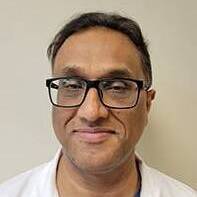
Muhammad Raufi
Interventional Cardiology
Locations:
-
575 Hudson Valley Avenue Suite 200
New Windsor, NY 12553
WMCHealth Provider
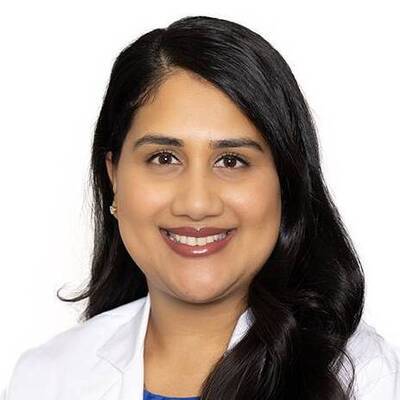
Daisy Yohannan
Cardiovascular Disease
Locations:
-
100 Woods Road ACP 1st Floor
Valhalla, NY 10595
WMCHealth Provider

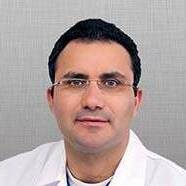
Yoram Amsalem
Interventional Cardiology
Locations:
-
257 Lafayette Ave Suite 300
Suffern, NY 10901
WMCHealth Provider
Jiji Abraham
Cardiovascular Disease
Locations:
-
100 Woods Road ACP 1st Floor
Valhalla, NY 10595
WMCHealth Provider

Cary Hirsch
Interventional Cardiology
Locations:
-
257 Lafayette Ave Suite 300
Suffern, NY 10901
WMCHealth Provider

Andrew Najovits
Cardiovascular Disease
Locations:
-
257 Lafayette Ave Suite 300
Suffern, NY 10901
WMCHealth Provider