
When your heart struggles to pump, activities such as walking, cooking, or even talking can leave you breathless and drained. Swelling, fatigue, and shortness of breath may start to feel like your new normal. But there’s help to relieve your symptoms—right here.
At WMCHealth, our specialists offer advanced heart failure treatments, including left ventricular assist devices (LVADs). For more than a decade, we’ve led LVAD care, helping to shape national treatment guidelines through early clinical trials and using the latest technologies. Whether you need short-term support while waiting for a transplant or long-term therapy to live your life, we provide expert care across New York.
What to Know About Your LVAD Procedure
Implanting and living with an LVAD involves planning, surgery, and follow-up care. Here’s what to expect at each step.
How to Prepare
Before your procedure, your team will complete a full evaluation. This may include:
- Lung, kidney, and liver function tests
- Blood tests, imaging, and cardiac catheterization
- A readiness session to learn how the LVAD works, how to care for it, and what to expect during recovery
What to Expect During the LVAD Procedure
LVADs are placed with open-heart surgery. In some cases, a cardiac surgeon may use a smaller less invasive approach through the ribs, which helps with faster recovery and pain control. Your heart failure cardiologist and cardiac surgeon will explain which option is right for you.
- The surgeon connects the LVAD between your left ventricle and your aorta to help pump blood through your body.
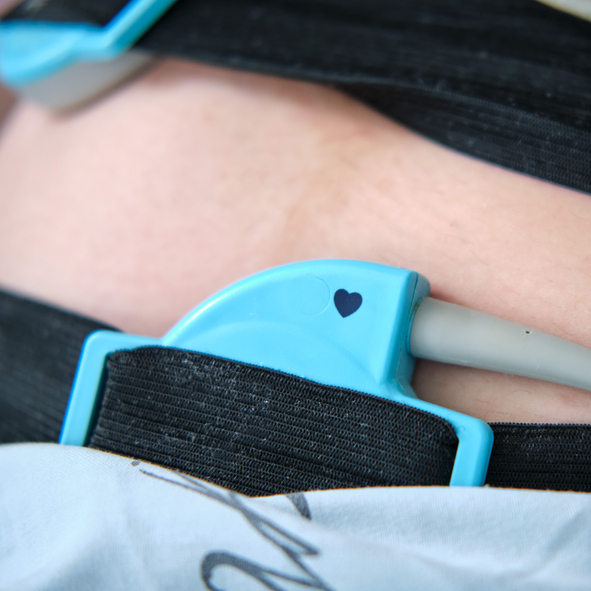
- A driveline (a thin cable) is tunneled under your skin and brought out through your abdomen. This connects the internal pump to a small controller and external batteries that power the pump
.
The procedure typically takes four to six hours.
What to Expect After
After surgery, you’ll stay in the cardiac ICU for a few days. Critical care nurses, heart failure cardiologists, and other specialists will check your heart, breathing, and incision each day. You and your caregiver will also start hands-on training to learn how to care for the LVAD safely.
After the ICU, you’ll move to a hospital room to continue your recovery. Most patients stay in the hospital for two to three weeks. During this time, you’ll practice walking, bathing, and using the LVAD with help from your care team.
Once you’re stable and confident, your team will get you ready to return home. Then, you’ll receive ongoing care through our outpatient advanced heart failure program. This includes regular checkups, monitoring, and support from cardiologists, nurses, and LVAD specialists.

John Zimmerman
Clinical Cardiac Electrophysiology
Locations:
-
257 Lafayette Ave Suite 330
Suffern, NY 10901
 WMCHealth Provider

Hratch Kazanjian
Cardiovascular Disease
Locations:
-
30 Hatfield Ln
Goshen, NY 10924
WMCHealth Provider
Aneta Dimova
Cardiovascular Disease
Locations:
-
111 Marys Avenue Suite 3
Kingston, NY 12401
WMCHealth Provider

Andrew Shih
Cardiovascular Disease
Locations:
-
257 Lafayette Avenue Suite 200
Suffern, NY 10920
WMCHealth Provider
Sharmila Sarkar
Cardiovascular Disease
Locations:
-
1 Crossfield Avenue Suite 101
West Nyack, NY 10994
WMCHealth Provider

Ahmed Alabbady
Interventional Cardiology
Locations:
-
12 Liberty Square Mall
Stony Point, NY 10980
WMCHealth Provider

Richard Cantor
Cardiovascular Disease
Locations:
-
2 Executive Blvd
Suffern, NY 10901
WMCHealth Provider

Adrienne Rascoe
Cardiovascular Disease
Locations:
-
575 Hudson Valley Avenue Suite 200
New Windsor, NY 12553
WMCHealth Provider
Yoram Amsalem
Interventional Cardiology
Locations:
-
257 Lafayette Ave Suite 300
Suffern, NY 10901
WMCHealth Provider
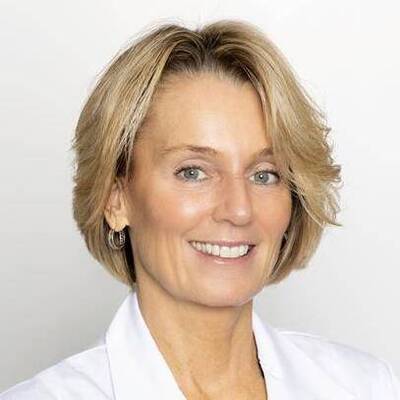
Dominica Potenza
Cardiovascular Disease
Locations:
-
100 Woods Road ACP 1st Floor
Valhalla, NY 10595
WMCHealth Provider
Gladys Pacenza
Cardiovascular Disease
Locations:
-
575 Hudson Valley Avenue Suite 200
New Windsor, NY 12553
WMCHealth Provider
Shubnum Singh
Cardiovascular Disease
Locations:
-
972 Route 45 Suite 103
Pomona, NY 10970
WMCHealth Provider
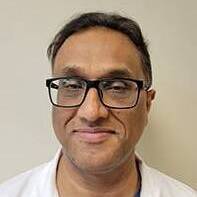
Muhammad Raufi
Interventional Cardiology
Locations:
-
575 Hudson Valley Avenue Suite 200
New Windsor, NY 12553
WMCHealth Provider
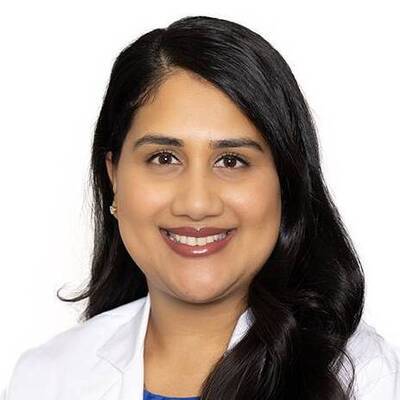
Daisy Yohannan
Cardiovascular Disease
Locations:
-
100 Woods Road ACP 1st Floor
Valhalla, NY 10595
WMCHealth Provider


Cary Hirsch
Interventional Cardiology
Locations:
-
257 Lafayette Ave Suite 300
Suffern, NY 10901
WMCHealth Provider
Patricia Rainaldi
Cardiovascular Disease
Locations:
-
575 Hudson Valley Avenue Suite 200
New Windsor, NY 12553
WMCHealth Provider
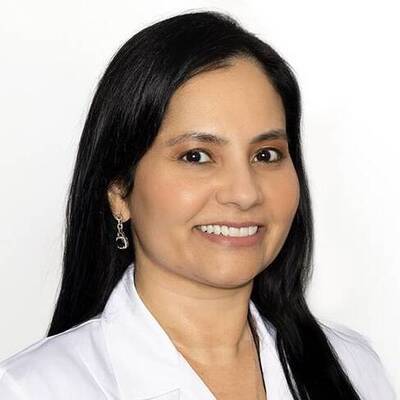
Jiji Abraham
Cardiovascular Disease
Locations:
-
100 Woods Road ACP 1st Floor
Valhalla, NY 10595
WMCHealth Provider

Andrew Najovits
Cardiovascular Disease
Locations:
-
257 Lafayette Ave Suite 300
Suffern, NY 10901
WMCHealth Provider