
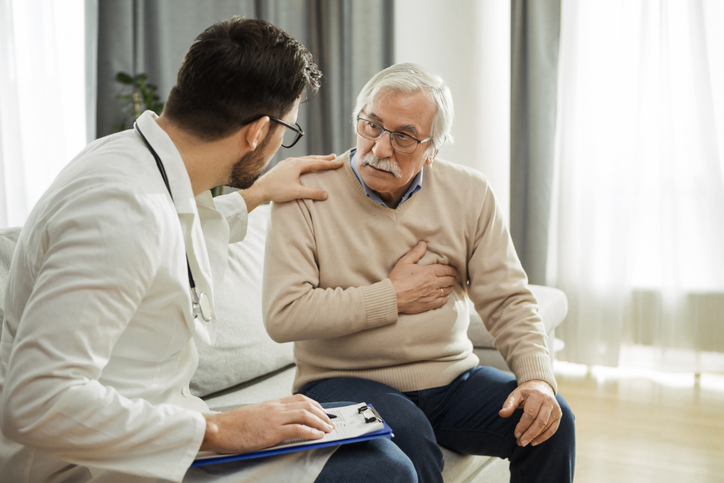
Sometimes, the heart—the tireless engine powering your every step—starts to struggle. You might feel winded climbing stairs, unusually tired, or find that simple tasks suddenly take more effort. It’s easy to chalk it up to stress or aging, but these could be signs your heart needs help.
At WMCHealth, we understand that heart failure doesn’t just affect your body—it touches every part of your life. That’s why our compassionate team combines advanced diagnostics, tailored treatments, and ongoing support. We bring expert heart care closer to home, so you can get back to doing what you love.
What Is Heart Failure?
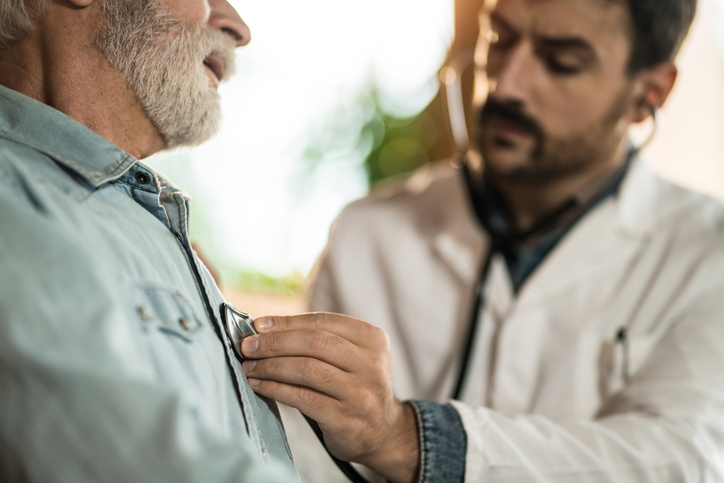
Heart failure doesn’t mean your heart has stopped—it means it’s working harder than it should to keep up. When the heart loses some of its strength, it can’t pump blood as efficiently. This makes it tougher for your body to get the oxygen and nutrients it needs.
You might notice swelling in your legs, feel unusually breathless, or experience a deep, lingering fatigue. These are signs your heart is asking for help.
With the right care, heart failure is a manageable condition. With the right treatment and support, you can live well with heart failure.
Types of Heart Failure
There are several different types of heart failure, depending on how your heart is affected:
- Left-sided heart failure: The left side of your heart can’t pump blood to the body as it should.
- Right-sided heart failure: The right side can’t pump blood to your lungs to pick up oxygen.
- Diastolic heart failure: Your heart is stiff and doesn’t fill with blood properly.
- Systolic heart failure: Your heart muscle is weak and doesn’t squeeze well enough.
Understanding the type you have helps your care team build the best treatment plan for you.

John Zimmerman
Clinical Cardiac Electrophysiology
Locations:
-
257 Lafayette Ave Suite 330
Suffern, NY 10901
 WMCHealth Provider

Hratch Kazanjian
Cardiovascular Disease
Locations:
-
30 Hatfield Ln
Goshen, NY 10924
WMCHealth Provider
Aneta Dimova
Cardiovascular Disease
Locations:
-
111 Marys Avenue Suite 3
Kingston, NY 12401
WMCHealth Provider

Andrew Shih
Cardiovascular Disease
Locations:
-
257 Lafayette Avenue Suite 200
Suffern, NY 10920
WMCHealth Provider
Sharmila Sarkar
Cardiovascular Disease
Locations:
-
1 Crossfield Avenue Suite 101
West Nyack, NY 10994
WMCHealth Provider

Ahmed Alabbady
Interventional Cardiology
Locations:
-
12 Liberty Square Mall
Stony Point, NY 10980
WMCHealth Provider

Richard Cantor
Cardiovascular Disease
Locations:
-
2 Executive Blvd
Suffern, NY 10901
WMCHealth Provider

Adrienne Rascoe
Cardiovascular Disease
Locations:
-
575 Hudson Valley Avenue Suite 200
New Windsor, NY 12553
WMCHealth Provider
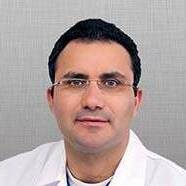
Yoram Amsalem
Interventional Cardiology
Locations:
-
257 Lafayette Ave Suite 300
Suffern, NY 10901
WMCHealth Provider
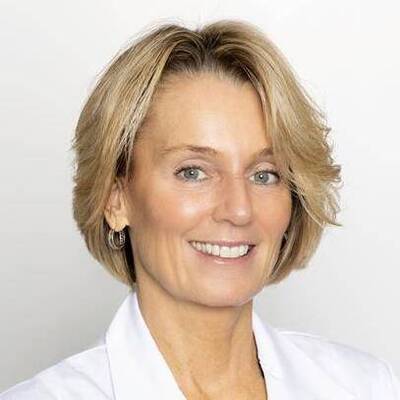
Dominica Potenza
Cardiovascular Disease
Locations:
-
100 Woods Road ACP 1st Floor
Valhalla, NY 10595
WMCHealth Provider
Gladys Pacenza
Cardiovascular Disease
Locations:
-
575 Hudson Valley Avenue Suite 200
New Windsor, NY 12553
WMCHealth Provider
Shubnum Singh
Cardiovascular Disease
Locations:
-
972 Route 45 Suite 103
Pomona, NY 10970
WMCHealth Provider
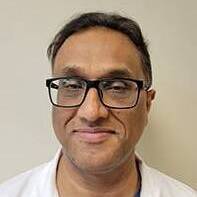
Muhammad Raufi
Interventional Cardiology
Locations:
-
575 Hudson Valley Avenue Suite 200
New Windsor, NY 12553
WMCHealth Provider
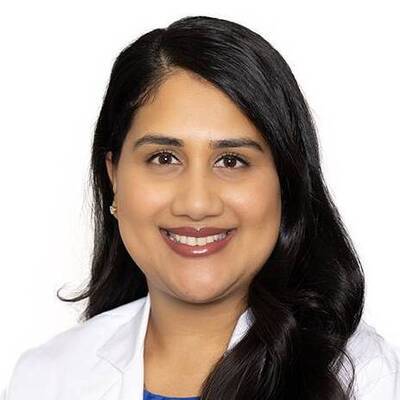
Daisy Yohannan
Cardiovascular Disease
Locations:
-
100 Woods Road ACP 1st Floor
Valhalla, NY 10595
WMCHealth Provider

Cary Hirsch
Interventional Cardiology
Locations:
-
257 Lafayette Ave Suite 300
Suffern, NY 10901
WMCHealth Provider

Patricia Rainaldi
Cardiovascular Disease
Locations:
-
575 Hudson Valley Avenue Suite 200
New Windsor, NY 12553
WMCHealth Provider
Jiji Abraham
Cardiovascular Disease
Locations:
-
100 Woods Road ACP 1st Floor
Valhalla, NY 10595
WMCHealth Provider

Andrew Najovits
Cardiovascular Disease
Locations:
-
257 Lafayette Ave Suite 300
Suffern, NY 10901
WMCHealth Provider
Heart Failure Treatment
Heart failure treatment is shaped by two things: how your heart is affected and how serious the condition has become.
Your treatment plan may include:
- Changes to your diet, fluid intake, and daily habits
- Regular checkups and blood pressure monitoring
- Cardiac rehabilitation to improve strength and stamina
- Devices like an implantable defibrillator (ICD) or pacemaker
- Medications to help your heart pump better or remove extra fluid
- In advanced cases, procedures like LVAD placement or heart transplant
Your WMCHealth care team will support you during treatment and follow-up care.