
Medically reviewed by Jamie A. Mullally, MD
By now, you’ve likely heard the buzz around Ozempic and other GLP-1 medications. Touted as game-changers for weight loss, drugs like Ozempic, Wegovy, Mounjaro and Zepbound are getting attention far beyond diabetes care. But what do these medications actually do inside your body, and are they really safe for long-term use?
First things first: What is GLP-1?
GLP-1 stands for glucagon-like peptide-1, a hormone your body naturally produces in the gut. Its job is to help regulate blood sugar by increasing insulin secretion, slowing down how quickly your stomach empties and signaling your brain that you’re full. GLP-1 receptor agonists are medications that mimic this hormone’s effects, amplifying those natural processes.
Why were these drugs developed?
Originally approved to help people with type 2 diabetes control blood sugar, GLP-1 medications have an added benefit: they often lead to significant weight loss. That’s because they reduce appetite, curb cravings and keep food in your stomach longer, making you feel fuller, faster.
Ozempic and Wegovy contain the same active ingredient—semaglutide—and Mounjaro and Zepbound both contain tirzepatide. Ozempic and Mounjaro are studied and FDA-approved for people with diabetes, while Wegovy and Zepbound are indicated for obesity. Mounjaro and Zepbound (tirzepatide) work slightly differently, targeting both GLP-1 and GIP receptors for potentially enhanced effects. GIP (glucose-dependent insulinotropic polypeptide) is another gut hormone that, like GLP-1, helps regulate blood sugar and appetite, so activating both pathways may provide additional benefits.
What’s really happening inside your body?
- Slower digestion: GLP-1s delay gastric emptying, meaning food moves more slowly from your stomach to your intestines. This helps control post-meal blood sugar spikes and increases satiety.
- Lower hunger: These medications act on the brain’s appetite centers, helping reduce the urge to snack or overeat.
- Improved blood sugar control: They boost insulin production—but only when your blood sugar is elevated—while also lowering levels of glucagon, a hormone that raises blood sugar.
Who’s a good candidate?
For weight management, these medications are typically prescribed for people with a BMI of 30 or higher, or 27 or higher with a weight-related health condition like diabetes, obstructive sleep apnea or high blood pressure. Most doctors recommend that candidates have already tried other weight management approaches, including dietary changes and increased physical activity.
Are there risks?
Like all medications, GLP-1s come with potential side effects. The most common are nausea, vomiting and constipation, which are usually mild and temporary. More serious (but rare) risks include pancreatitis and gallbladder issues. These medications are not recommended for people with a personal or family history of medullary thyroid cancer (which is rare).
What to expect with treatment
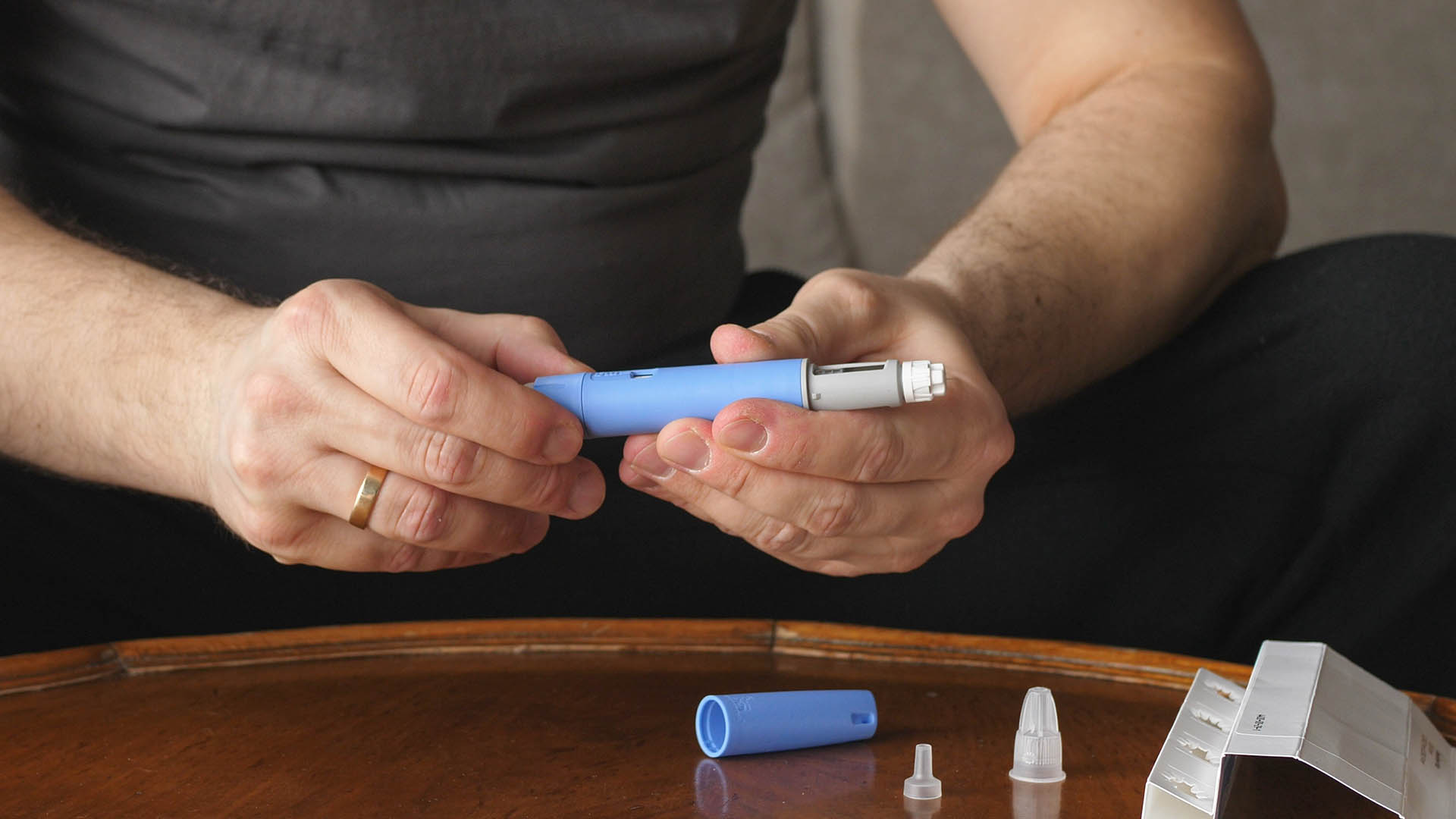
These medications are administered as weekly injections and require regular monitoring, especially when starting treatment. Importantly, they work best when combined with dietary changes and physical activity. They’re powerful tools to support, but not replace, healthy habits.
One key consideration: Most people regain weight when they stop taking these medications, which is why they’re typically considered long-term treatments rather than short-term solutions.
GLP-1s aren’t “miracle drugs,” but they are powerful tools for managing type 2 diabetes and obesity when used under proper medical guidance. If you want to learn more, discuss your options with a WMCHealth specialist.
To schedule an appointment, call 914.592.2400 or visit our website to learn more about our providers.