

Sleep is vital to your overall health and well-being. When sleep problems continue, they can affect almost every aspect of your daily life. They may also contribute to cardiovascular disease, mental health disorders, and cognitive decline.
At WMCHealth, our Center for Sleep Medicine offers comprehensive evaluations and specialized treatment for sleep disorders. Our goal is to address your sleep difficulties and support your overall health and quality of life.
What Are Sleep Disorders?
Sleep disorders are conditions that affect how well, how long, or how much you sleep. Some can also make it difficult to stay awake during the day.
These conditions may involve breathing problems during sleep, unusual movements or behaviors, difficulty falling or staying asleep, or excessive daytime sleepiness.
About 33 percent of Americans have a sleep condition. Women are more likely to be affected than men. About half of adults over age 65 have some type of sleep condition.

Types of Sleep Disorders
There are over 80 diagnosable sleep disorders. Some of the most common include:
- Insomnia
- Obstructive sleep apnea
- Restless leg syndrome
- Night eating disorders
- REM behavior disorder
- Circadian rhythm disorder
- Chronic respiratory failure
- Narcolepsy
- Idiopathic hypersomnia
- Sleep issues related to menopause
If poor sleep is affecting your daily life, our pulmonary, critical care, and sleep medicine specialists can help. Our team can evaluate your symptoms and recommend next steps.
Diagnosing Sleep Disorders
To diagnose a sleep disorder, your doctor will review your medical history and perform a physical exam. Depending on your symptoms, they may also order blood tests or imaging. You may also keep a sleep diary to track your sleep habits.
WMCHealth offers both home sleep testing and in-lab sleep studies. Your doctor will recommend the type of testing that best fits your needs.
Home Sleep Testing
For home sleep testing, you’ll receive a device by mail or pick it up at a clinic. We’ll provide instructions for using the device at home.
After two nights, you’ll return the device so our team can analyze the data.
In-Lab Sleep Studies
Home sleep testing isn’t appropriate for everyone. In some cases, your doctor may recommend an overnight sleep study at the Center for Sleep Medicine.
During this noninvasive, painless test, we monitor your brain waves, heartbeat, and breathing patterns while you sleep. Your care team will review the results and recommend treatment options based on your needs.
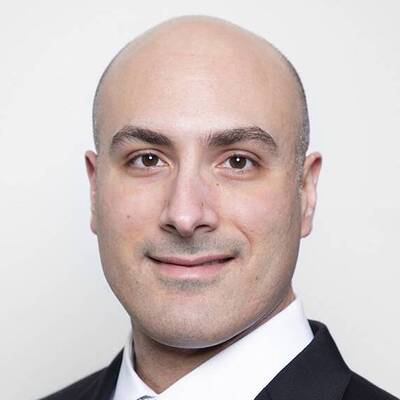
Merritt Kinon
Spine Surgery, Neurological Surgery
Locations:
-
100 Woods Rd ACP 4th Floor
Valhalla, NY 10595
 WMCHealth Provider

Katharine McNeill
Neurology
Locations:
-
19 Bradhurst Avenue Suite 3850 S
Hawthorne, NY 10532
WMCHealth Provider

Vishad Sukul
Neurological Surgery
Locations:
-
100 Woods Rd ACP 4th Floor
Valhalla, NY 10595
WMCHealth Provider
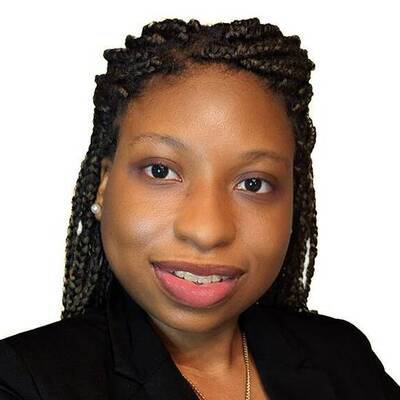
Tamara Benoit
Neurological Surgery
Locations:
-
100 Woods Rd ACP 4th Floor
Valhalla, NY 10595
WMCHealth Provider

Chirag Gandhi
Neuroendovascular Surgery, Neurological Surgery
Locations:
-
100 Woods Rd ACP 4th Floor
Valhalla, NY 10595
WMCHealth Provider
Kelsey Kimble
Neurological Surgery
Locations:
-
100 Woods Rd ACP 4th Floor
Valhalla, NY 10595
WMCHealth Provider

Justin Santarelli
Neuroendovascular Surgery, Neurological Surgery, Open Cerebrovascular Surgery
Locations:
-
100 Woods Rd ACP 4th Floor
Valhalla, NY 10595
WMCHealth Provider
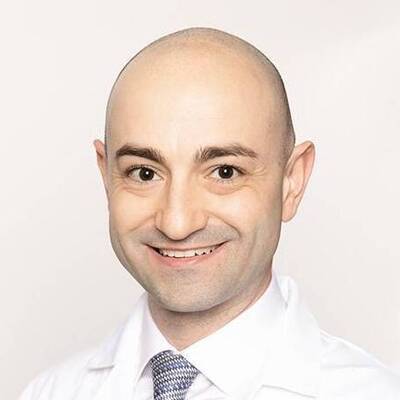
Sebastian Rubino
Neurological Surgery
Locations:
-
257 Lafayette Ave MOB Suite 285
Suffern, NY 10901
WMCHealth Provider

Simon Hanft
Neurological Surgery
Locations:
-
100 Woods Rd ACP 4th Floor
Valhalla, NY 10595
WMCHealth Provider

Stephanie Gandelman
Neurology, Neuroimmunology, Tele-Neurology
Locations:
-
19 Bradhurst Avenue Suite 3850 S
Hawthorne, NY 10532
WMCHealth Provider
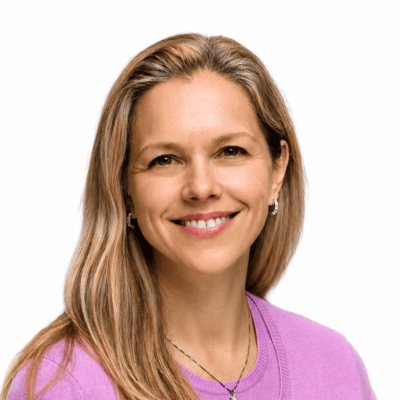
Carrie Muh
Pediatric Neurosurgery
Locations:
-
19 Bradhurst Avenue Suite 3050
Hawthorne, NY 10532
WMCHealth Provider
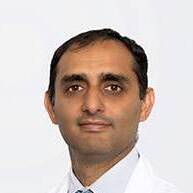
Avinash Mohan
Neurological Surgery, Pediatric Neurosurgery, Pediatric Spine Surgery
Locations:
-
100 Crystal Run Road Suite 108
Middletown, NY 10941
WMCHealth Provider
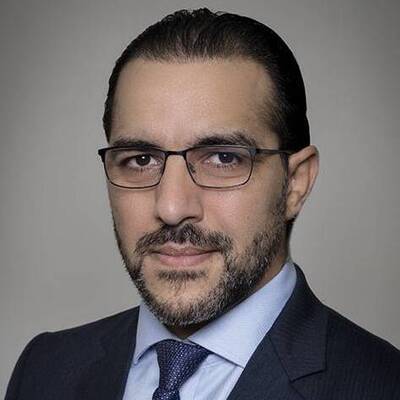
Fawaz Al Mufti
Neurology
Locations:
-
100 Woods Rd ACP 4th Floor
Valhalla, NY 10595
WMCHealth Provider

Gurmeen Kaur
Neuroendovascular Surgery, Neurology, Vascular Neurology, Tele-Neurology
Locations:
-
100 Woods Rd ACP 4th Floor
Valhalla, NY 10595
WMCHealth Provider

Tatyana Gitlevich
Clinical Neurophysiology, Neurology, Epilepsy, Tele-Neurology
Locations:
-
19 Bradhurst Avenue Suite 3850 S
Hawthorne, NY 10532
WMCHealth Provider
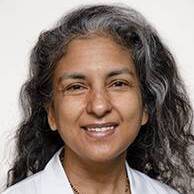
Rachana Tyagi
Pediatric Spine Surgery, Neurological Surgery
Locations:
-
19 Baker Avenue Suite 302
Poughkeepsie, NY 12601
WMCHealth Provider
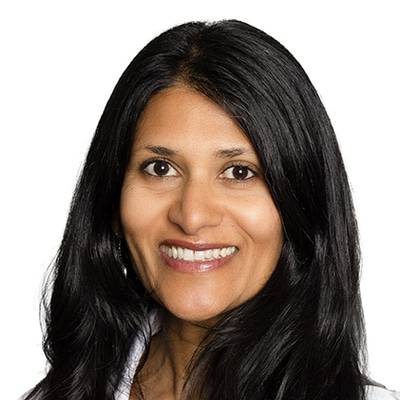
Sherine Varghese
Neurological Surgery
Locations:
-
100 Woods Rd ACP 4th Floor
Valhalla, NY 10595
WMCHealth Provider

Jared Pisapia
Pediatric Neurosurgery, Neurological Surgery
Locations:
-
100 Woods Rd ACP 4th Floor
Valhalla, NY 10595
WMCHealth Provider
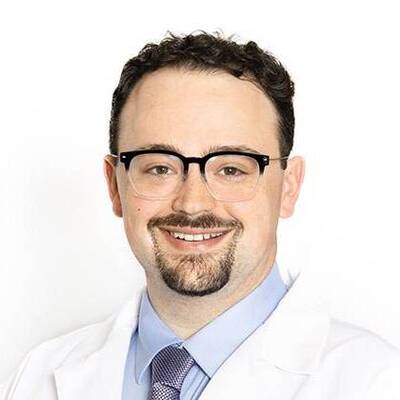
Alec Friedman
Neurology, Tele-Neurology, Neuroimmunology
Locations:
-
666 Lexington Ave Suite 208
Mount Kisco, NY 10549
WMCHealth Provider
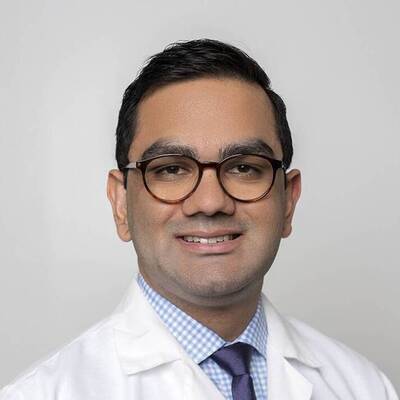
John Wainwright
Spine Surgery, Neurological Surgery
Locations:
-
100 Woods Rd ACP 4th Floor
Valhalla, NY 10595
WMCHealth Provider