
Medically reviewed by Dr. Robert Best, MD
The holidays are a time for joy, excitement and family fun, but they’re also one of the busiest times of the year for pediatric emergency departments. Between new toys, bustling gatherings and winter activities, accidents can happen when you least expect them.
By taking a few simple precautions, you can help your children celebrate the season safely and avoid common holiday injuries.
Watch Out for Choking Hazards
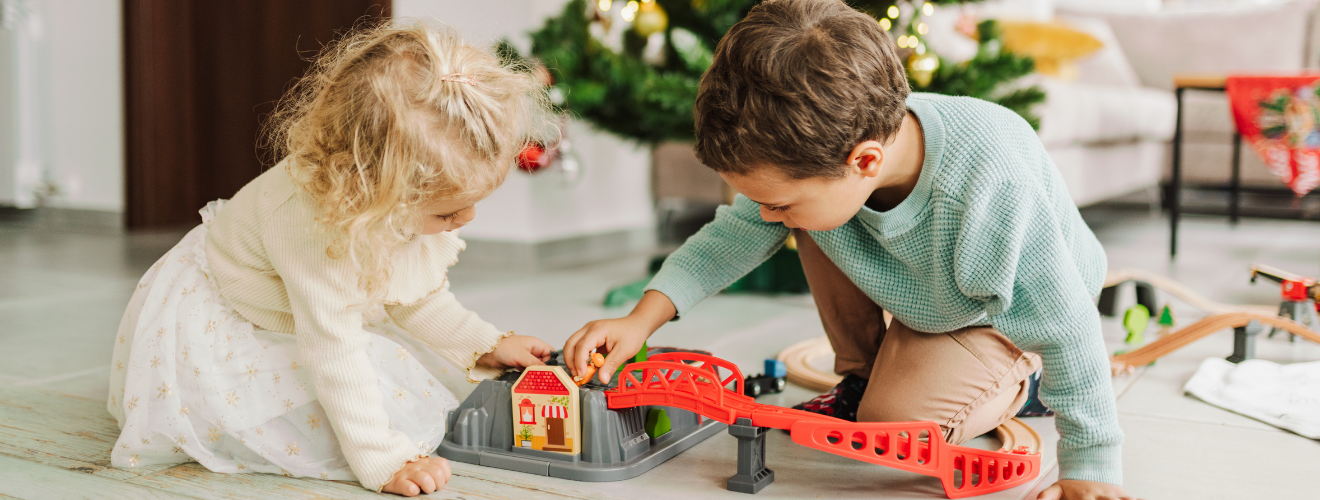
Small toys, decorations and holiday foods can pose choking risks for young children. Avoid giving toys with small parts to children under age three, and make sure older siblings keep their playthings out of reach of little ones.
When it comes to food, keep an eye out for small, hard items like nuts, candies or popcorn, which can easily block a child’s airway. Encourage kids to sit while eating, take small bites and chew thoroughly.
If your child begins coughing, gagging or cannot breathe, call 9-1-1 immediately. Knowing basic first aid and infant or child CPR can make a life-saving difference.
Choose Safe, Age-Appropriate Toys
Before you wrap up your gifts, check the manufacturer’s age recommendation and inspect toys for safety. Avoid toys with sharp edges, loose parts or long cords that could cause strangulation.
Some toys and novelty sets include tiny, powerful magnets that can be dangerous if swallowed or inserted into the nose. Keep these magnets and any magnetic building sets well out of children’s reach, and seek emergency care immediately if you think your child has swallowed one.
Battery-operated toys should have secure battery compartments that require a screwdriver to open, especially if they contain button batteries, which can cause severe internal burns if swallowed.
Look for labels such as “ASTM” or “UL certified,” which indicate the toy meets national safety standards.
Decorate with Care
Holiday decorations can add cheer, but they can also present hidden dangers. Keep breakable ornaments, light strings and candles out of children’s reach. Avoid decorations with small detachable pieces or that resemble candy, which could be mistaken for food.
Additionally, monitor holiday plants closely. Holly berries and mistletoe can be poisonous if eaten, causing stomach upset and other symptoms. Poinsettias, though not as dangerous as once believed, can still irritate the skin or cause mild nausea if ingested.
If you put up a Christmas tree, make sure it’s securely anchored so it can’t topple over. Keep electrical cords tucked away and check lights for frayed wires or loose connections before plugging them in.
Keep an Eye on Burns and Fire Risks
Candles, fireplaces and hot dishes are all part of the holiday atmosphere, but they also increase the risk of burns. Keep hot drinks, pans and serving dishes in the center of tables or counters where little hands can’t reach.
Set a safe boundary around fireplaces or wood stoves, and use protective screens. Never leave candles or cooking unattended, even for a minute.
Practice Winter Safety Outdoors
Cold weather brings plenty of opportunities for outdoor fun, from sledding to ice skating. Make sure kids wear helmets when sledding, skiing or snowboarding, and keep them away from roads or driveways. Dress children in warm, waterproof layers and take breaks indoors to prevent frostbite or hypothermia.
Remind kids never to walk or play on frozen ponds or lakes unless they’ve been officially declared safe by local authorities.
Keep a Watchful Eye
The holidays are full of distractions—guests arriving, meals cooking, packages to open—but supervision is still the best way to prevent injuries. Designate an adult to keep an eye on young children during gatherings, especially around food, toys and open flames.
With a little planning and extra attention, you can keep your holidays festive, fun, and free from trips to the emergency room. If your child does get injured or needs urgent care, WMCHealth’s pediatric emergency specialists are here 24/7.