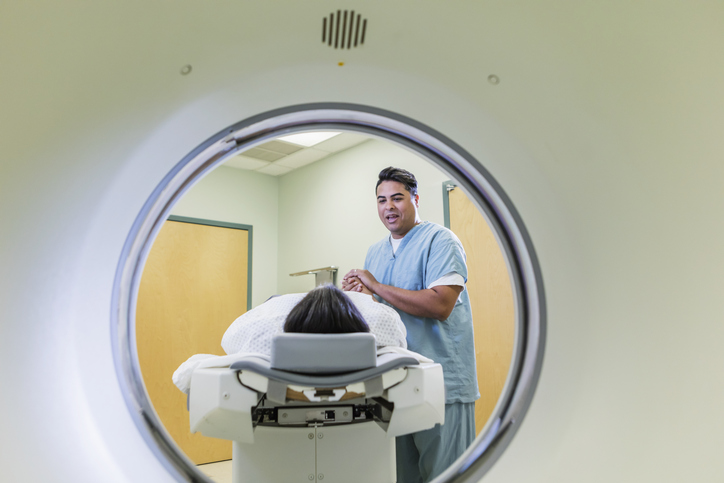
Cardiac CT (computed tomography) scans help identify blocked arteries, structural heart issues, and signs of coronary artery disease. This noninvasive test captures detailed images of your heart and blood vessels—helping to identify potential issues and guide next steps.
At Westchester Medical Center, the flagship of the Westchester Medical Center Health Network, we provide advanced cardiac CT scans. Our team includes cardiovascular imaging specialists who interpret results quickly and collaborate with your care team to provide solutions that meet your needs and goals.

What Is a Cardiac CT Scan?
A cardiac CT scan, also called coronary CT angiography, uses X-ray and computer technology to create detailed images of the heart. It can show blockages, plaque buildup, or abnormal anatomy in the coronary arteries or heart chambers.
Providers often order cardiac CT scans for patients with chest pain, suspected coronary artery disease, or abnormal stress test results. This scan may also evaluate heart function, detect congenital defects, or support procedure planning, such as valve repair or ablation.
What to Know About Your Cardiac CT Scan
Here’s how to prepare and what to expect before, during, and after your cardiac CT scan.
How to Prepare
- Do not eat or drink for at least four hours before the test.
- Avoid caffeine and tobacco for 12 hours before your scan.
- Wear comfortable clothing with no metal; you may be asked to change into a gown.
- Your provider will give instructions about medications, especially beta blockers or contrast agents.
What to Expect During the Cardiac CT Scan
A cardiac CT scan is performed in a dedicated imaging suite by one of our trained technologists and interpreted by our cardiac imaging specialists. The entire visit may last 30 to 60 minutes, including preparation time. The scan itself is painless and takes about 10 to 15 minutes:
- You will lie on a table that slides into a doughnut-shaped scanner.
- Electrodes will be placed on your chest to monitor your heartbeat.
- A contrast dye (a special liquid that helps highlight your blood vessels on the scan) may be injected into your vein to highlight blood vessels.
What to Expect Afterwards
Most patients can return to normal activities right after the scan. It is generally recommended to drink plenty of water to help flush the contrast dye from your system.
Your doctor will discuss the results with you and whether any follow-up care or treatment is needed. If abnormalities are found, you may be referred to one of our cardiologists or vascular specialists here at WMCHealth.

John Zimmerman
Clinical Cardiac Electrophysiology
Locations:
-
257 Lafayette Ave Suite 330
Suffern, NY 10901
 WMCHealth Provider

Hratch Kazanjian
Cardiovascular Disease
Locations:
-
30 Hatfield Ln
Goshen, NY 10924
WMCHealth Provider

Andrew Shih
Cardiovascular Disease
Locations:
-
257 Lafayette Avenue Suite 200
Suffern, NY 10920
WMCHealth Provider

Savalan Babapoor
Clinical Cardiac Electrophysiology
Locations:
-
257 Lafayette Ave Suite 330
Suffern, NY 10901
WMCHealth Provider

Sharmila Sarkar
Cardiovascular Disease
Locations:
-
1 Crossfield Avenue Suite 101
West Nyack, NY 10994
WMCHealth Provider

Ahmed Alabbady
Interventional Cardiology
Locations:
-
12 Liberty Square Mall
Stony Point, NY 10980
WMCHealth Provider

Richard Cantor
Cardiovascular Disease
Locations:
-
2 Executive Blvd
Suffern, NY 10901
WMCHealth Provider

Adrienne Rascoe
Cardiovascular Disease
Locations:
-
575 Hudson Valley Avenue Suite 200
New Windsor, NY 12553
WMCHealth Provider
Patricia Rainaldi
Cardiovascular Disease
Locations:
-
575 Hudson Valley Avenue Suite 200
New Windsor, NY 12553
WMCHealth Provider
Dominica Potenza
Cardiovascular Disease
Locations:
-
100 Woods Road ACP 1st Floor
Valhalla, NY 10595
WMCHealth Provider
Gladys Pacenza
Cardiovascular Disease
Locations:
-
575 Hudson Valley Avenue Suite 200
New Windsor, NY 12553
WMCHealth Provider
Shubnum Singh
Cardiovascular Disease
Locations:
-
972 Route 45 Suite 103
Pomona, NY 10970
WMCHealth Provider
Jiji Abraham
Cardiovascular Disease
Locations:
-
100 Woods Road ACP 1st Floor
Valhalla, NY 10595
WMCHealth Provider
Muhammad Raufi
Interventional Cardiology
Locations:
-
575 Hudson Valley Avenue Suite 200
New Windsor, NY 12553
WMCHealth Provider
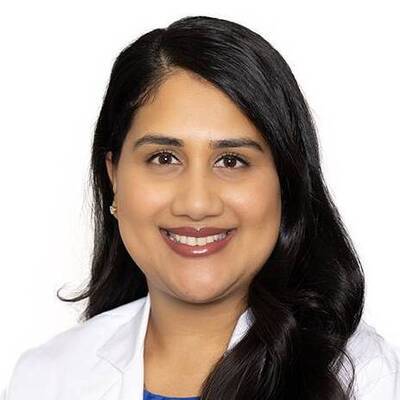
Daisy Yohannan
Cardiovascular Disease
Locations:
-
100 Woods Road ACP 1st Floor
Valhalla, NY 10595
WMCHealth Provider

Stephen Lazar
Cardiovascular Disease
Locations:
-
575 Hudson Valley Avenue Suite 200
New Windsor, NY 12553
WMCHealth Provider


Arvind Agarwal
Cardiovascular Disease
Locations:
-
12 Liberty Square Mall
Stony Point, NY 10980
WMCHealth Provider
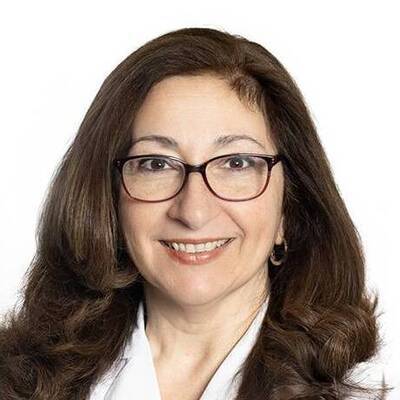
Carmela Musial
Cardiovascular Disease
Locations:
-
100 Woods Road ACP 1st Floor
Valhalla, NY 10595
WMCHealth Provider