
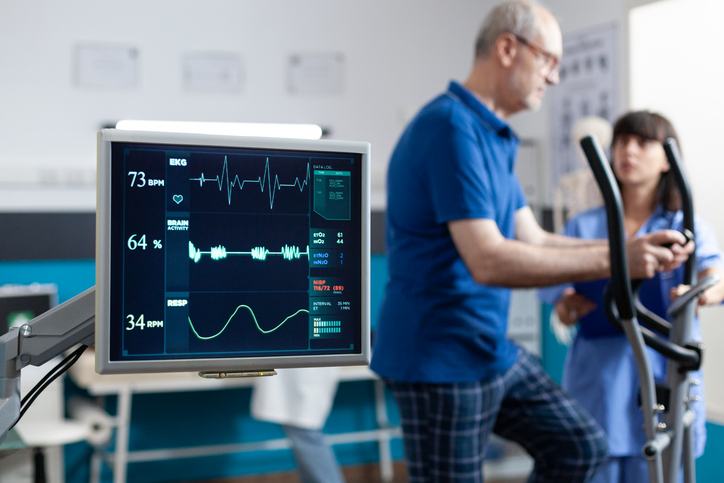
If you have any symptoms of heart disease, a cardiac stress test can show how well your heart pumps blood. This test takes place when your heart is working and beating faster, like it does during physical activity.
At WMCHealth, we use cardiac stress testing to better understand how your heart functions under stress. This means our experts can identify any potential issues that may be keeping your heart from working its best.
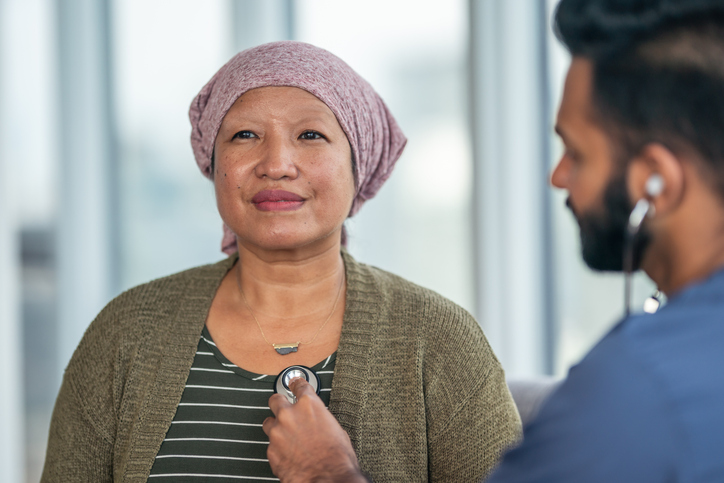
What is a Cardiac Stress Test?
A cardiac stress test shows how your heart works during activity to help find problems with blood flow or heart rhythm. It’s often done while you walk on a treadmill or take medicine that stimulates exercise.
A cardiac stress test can help find blocked arteries or irregular heartbeats that affect how well your heart works. These issues may cause chest pain, shortness of breath, or fatigue during activity.
Types of Cardiac Tests We Offer
At WMCHealth, we offer several types of cardiac stress testing:
- Exercise treadmill test (ETT): Tracks how your EKG rhythms while you walk on a treadmill at increasing speeds and inclines.
- Nuclear stress test: Uses a small amount of radioactive material to create detailed heart images before and after physical or simulated stress.
- Stress echocardiogram: Combines exercise with ultrasound imaging to see how your heart moves and pumps under stress.
What to Know About Your Cardiac Stress Test
Here are a few things to know before undergoing your cardiac stress test.
How to Prepare for a Cardiac Stress Test
- Wear comfortable clothing and walking shoes.
- You will need to avoid eating and drinking for several hours before your test.
- A provider will call you the evening before your exam to review instructions specific to you. During this call you will be told which of your medications you should and should not take prior to the exam.
- Do not use lotion or oil on your skin the day of the test. They can make it harder for monitoring electrodes to stay on during the exam.
What to Expect During the Stress Test
During your cardiac stress test, your cardiology provider will guide you through each step:
- The provider will first check your heart rate and blood pressure to make sure it’s safe to start. (If your blood pressure is too high or your heartbeat is off, the doctor may wait or change how the test is done.)
- You will walk on a treadmill or receive medication that makes your heart work like it’s exercising.
- The provider will monitor your heart activity with EKG electrodes (small, sticky patches) on your chest. In some tests, they may use imaging to assess blood flow to the heart muscle.
- The provider will stop the test once you’ve reached a certain heart rate or have symptoms.
- Your test may require imaging before and after exercise or medication simulation.
- For some exams you will require an IV insertion to receive an imaging enhancement agent.
What to Expect Afterwards
After the test, you’ll rest shortly while the provider checks your heart rate and blood pressure as they return to normal. You can go back to your usual activities the same day, unless your cardiologist gives other instructions.
Your doctor will review the results and talk with you about what they mean. This may include next steps, like additional tests or changes to your care plan, based on how your heart responded during the test. Our seamless, integrated approach to care means we’ll coordinate any next steps for you.

John Zimmerman
Clinical Cardiac Electrophysiology
Locations:
-
257 Lafayette Ave Suite 330
Suffern, NY 10901
 WMCHealth Provider

Hratch Kazanjian
Cardiovascular Disease
Locations:
-
30 Hatfield Ln
Goshen, NY 10924
WMCHealth Provider

Andrew Shih
Cardiovascular Disease
Locations:
-
257 Lafayette Avenue Suite 200
Suffern, NY 10920
WMCHealth Provider
Sharmila Sarkar
Cardiovascular Disease
Locations:
-
1 Crossfield Avenue Suite 101
West Nyack, NY 10994
WMCHealth Provider

Ahmed Alabbady
Interventional Cardiology
Locations:
-
12 Liberty Square Mall
Stony Point, NY 10980
WMCHealth Provider

Richard Cantor
Cardiovascular Disease
Locations:
-
2 Executive Blvd
Suffern, NY 10901
WMCHealth Provider

Adrienne Rascoe
Cardiovascular Disease
Locations:
-
575 Hudson Valley Avenue Suite 200
New Windsor, NY 12553
WMCHealth Provider
Aneta Dimova
Cardiovascular Disease
Locations:
-
111 Marys Avenue Suite 3
Kingston, NY 12401
WMCHealth Provider
Patricia Rainaldi
Cardiovascular Disease
Locations:
-
575 Hudson Valley Avenue Suite 200
New Windsor, NY 12553
WMCHealth Provider
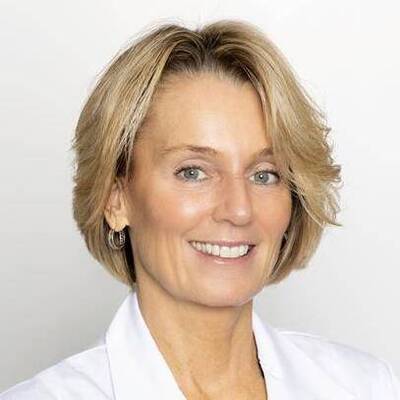
Dominica Potenza
Cardiovascular Disease
Locations:
-
100 Woods Road ACP 1st Floor
Valhalla, NY 10595
WMCHealth Provider
Gladys Pacenza
Cardiovascular Disease
Locations:
-
575 Hudson Valley Avenue Suite 200
New Windsor, NY 12553
WMCHealth Provider
Shubnum Singh
Cardiovascular Disease
Locations:
-
972 Route 45 Suite 103
Pomona, NY 10970
WMCHealth Provider
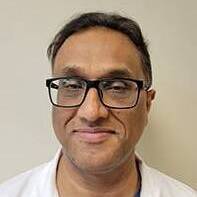
Muhammad Raufi
Interventional Cardiology
Locations:
-
575 Hudson Valley Avenue Suite 200
New Windsor, NY 12553
WMCHealth Provider
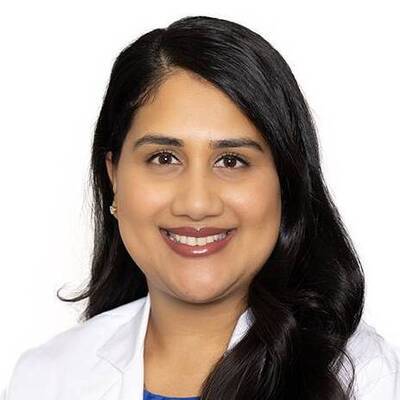
Daisy Yohannan
Cardiovascular Disease
Locations:
-
100 Woods Road ACP 1st Floor
Valhalla, NY 10595
WMCHealth Provider
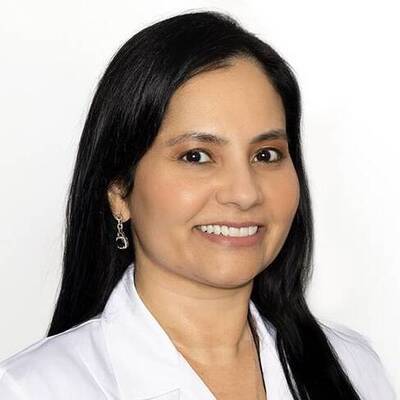
Jiji Abraham
Cardiovascular Disease
Locations:
-
100 Woods Road ACP 1st Floor
Valhalla, NY 10595
WMCHealth Provider


Chhaya Gupta
Advanced Heart Failure and Transplant Cardiology
Locations:
-
100 Woods Road ACP 1st Floor
Valhalla, NY 10595
WMCHealth Provider
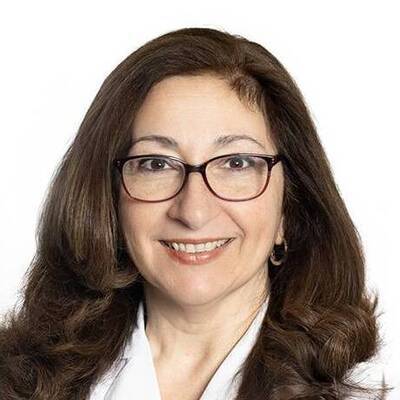
Carmela Musial
Cardiovascular Disease
Locations:
-
100 Woods Road ACP 1st Floor
Valhalla, NY 10595
WMCHealth Provider

Savalan Babapoor
Clinical Cardiac Electrophysiology
Locations:
-
257 Lafayette Ave Suite 330
Suffern, NY 10901
WMCHealth Provider